Different game animals call for different tactics. What works for deer won’t cut it for elk. You’ll need to understand each species. where they move, what they eat, and how they react to pressure. This page links to detailed guides for each major game animal and breaks down key differences.
Whitetail Deer
Whitetails are the most hunted big game animal in the U.S.1 They’re pattern-based, skittish, and incredibly aware of scent.
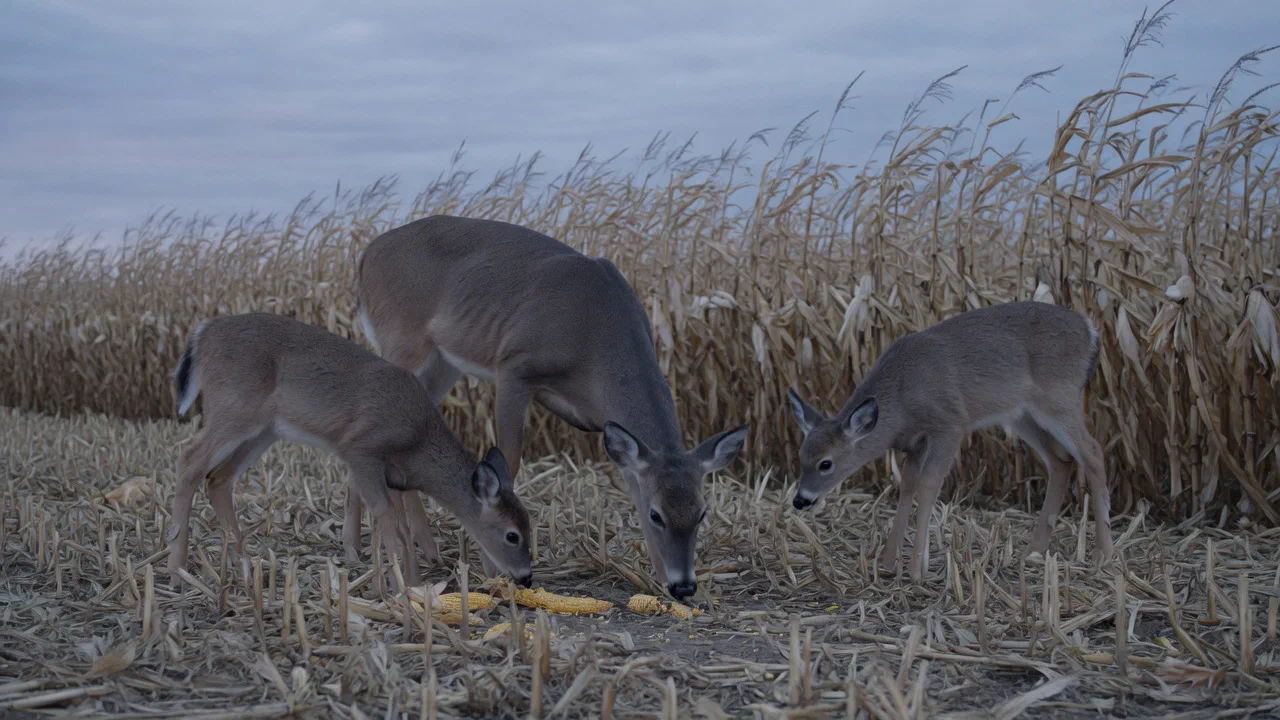 Key strategies:
- Hunt travel corridors between food and bedding
- Use tree stands and blinds to stay concealed
- Focus on early morning and late afternoon
- Play the wind and minimize scent
Elk
Elk hunting is a physical and mental challenge. These animals move across big terrain and have excellent senses.
What matters most:
- Bugling during the rut is highly effective
- Scouting for sign like wallows and rubs is essential2
- Hunting uphill often helps with wind advantage
- You’ll need endurance. elk country is rough
Turkey
Turkey hunting combines stealth with calling skill. It’s closer to a chess match than a chase.
Quick tips:
- Learn how to use box, slate, and mouth calls
- Pattern your shotgun at different ranges3
- Be still. turkeys have sharp vision
- Roost-to-roost tactics often work best
Black Bear
Bears roam large areas and focus on food. Hunting varies by state and season.
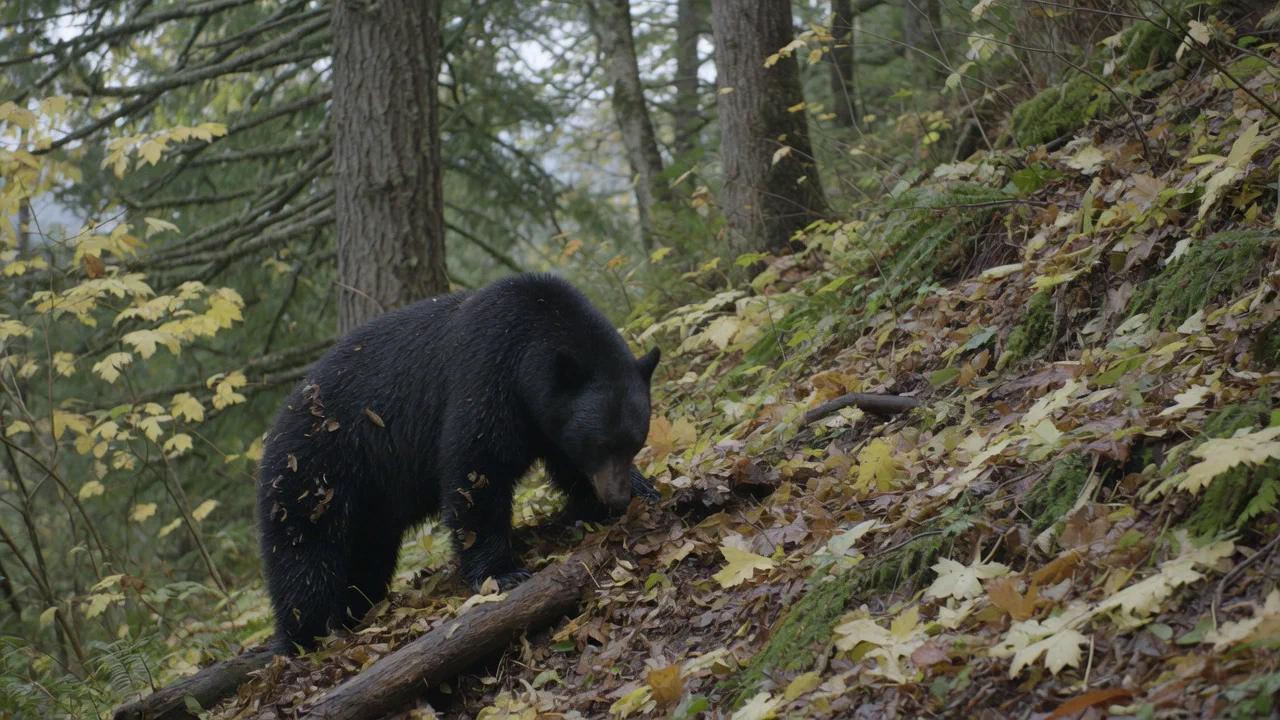 Core tactics:
- Use bait stations where legal4
- Target berry patches and acorn flats
- Glass clear cuts in spring and fall
- Always play the wind. their noses are powerful
Waterfowl
Ducks and geese require different setups than big game. Decoys, calls, and weather awareness are key.
Effective methods:
- Match decoy spread to species and time of year
- Set up with the wind at your back for landing shots
- Use camo that matches your blind or environment
- Scout flight paths in advance5
Important: Using lead shot for waterfowl is illegal under federal law. Use only approved non-toxic shot types6.
Feral Hogs
Hogs are destructive, breed fast, and often hunted at night.
How to hunt them:
- Use bait and feeders to pattern movements7
- Thermal optics are valuable where legal
- Spot and stalk works in open fields
- Hogs often return to the same food source
Upland Birds
Includes quail, pheasant, grouse, and chukar. Shot placement, dog handling, and terrain matter most.
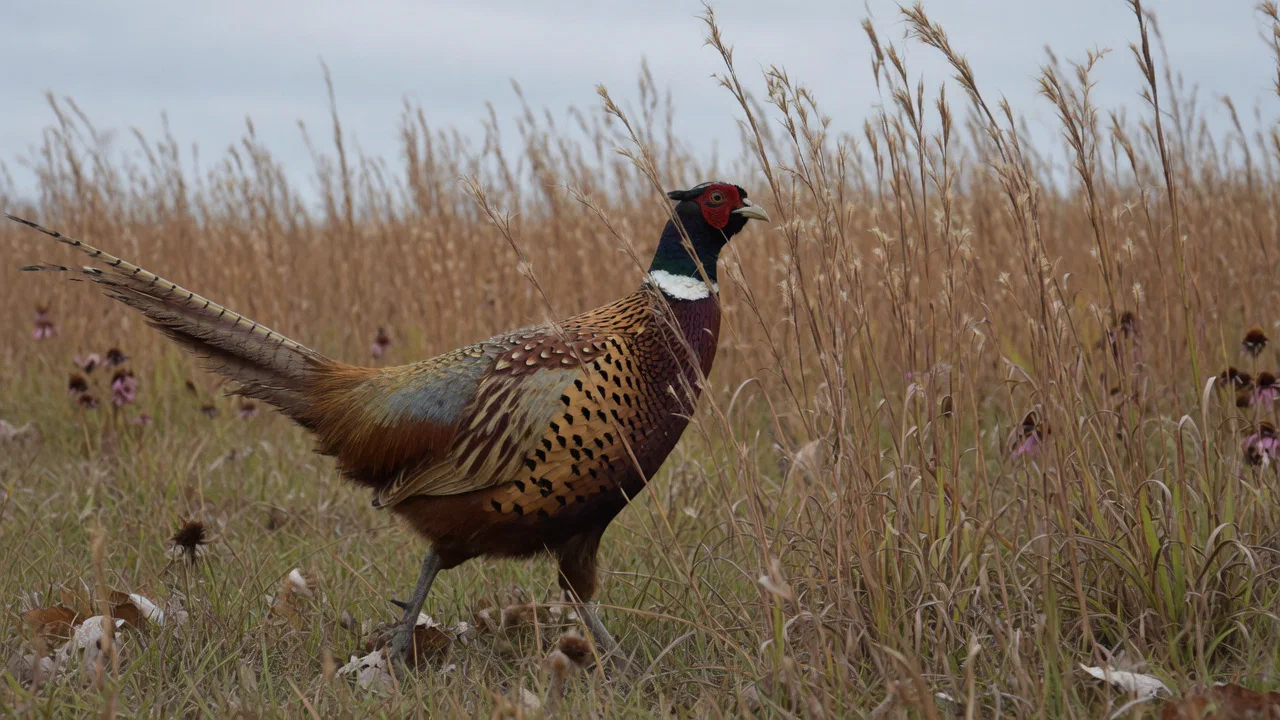 Hunting advice:
- Use pointing or flushing dogs for best results
- Walk edge cover and transition zones
- Carry light shotguns for quick handling
- Stay alert. birds flush fast and low8
Predators
Coyotes, bobcats, and foxes are often hunted for population control or fur.
Effective predator hunting:
- Use calls mimicking prey distress
- Set up with wind in your face
- Hunt at dawn or dusk when they move
- Wear full camo and remain still
Choosing the Right Animal
| Species | Difficulty | Best Season | Primary Tactic |
|---|---|---|---|
| Whitetail | Moderate | Fall | Stand hunting |
| Elk | Hard | Fall | Bugling + spot & stalk |
| Turkey | Moderate | Spring | Calling & ambush |
| Black Bear | Hard | Spring/Fall | Bait or glassing |
| Waterfowl | Moderate | Winter | Decoys + calling |
| Feral Hogs | Easy | Year-round | Night hunting + bait |
| Upland Birds | Moderate | Fall | Walking with dogs |
| Predators | Moderate | Winter | Calling + concealment |
What to Do Next
Once you’ve picked your target animal, make sure you:
- Check your state’s season dates
- Review bag limits and legal methods
- Secure access to public or private land
- Match your gear to the animal. browse rifles, boots, and optics
- Review first-time checklists and license steps
- Find hunting locations by state for access points, logistics, and local planning guides
- Learn how to get your hunting license with our licensing walkthrough
Hunt smart, hunt safe, and respect the game.
For reference only. This page summarizes agency publications and is not legal advice or an official source; confirm dates, limits and fees with the state wildlife agency before you hunt. Regulations change mid-season. Send a correction if you spot an error. Disclaimer.