Elk hunting is one of the most physically and mentally demanding pursuits in North America. Elk are large, wary, and live in rugged terrain. Success often comes down to preparation, patience, and understanding elk behavior.
Elk Biology and Behavior
Elk (Cervus canadensis) are the second-largest members of the deer family in North America. 700–1,100 lbs (bulls), 500–600 lbs (cows) Mature bulls can weigh 700–900 pounds, while cows average 500–600 pounds1. Elk are herd animals and move between feeding, bedding, and water sources daily1.
 Key behaviors to understand:
- Daily movement: Most active at dawn and dusk (crepuscular). They bed mid-day in cover.
- Seasonal movement: Migrate between summer and winter ranges. Snow depth and hunting pressure influence this2.
- The rut (breeding season): Occurs from late August to mid-October. Bulls bugle to attract cows and warn off rivals.
- Senses: Elk have an excellent sense of smell and strong hearing. Their eyesight is good, especially in open terrain2.
Elk vocalizations are used year-round, especially during the rut. Bulls bugle, chuckle, and glunk. Cows mew, chirp, and bark2.
Elk Habitat
Mountain meadows, alpine tundra, dense forests, grasslands Elk occupy a wide range of habitats, including:
- Montane forests and meadows
- Aspen groves and conifer stands
- High desert plateaus
- Riparian corridors near rivers and streams
They need open areas to feed and thick cover for bedding and escape. Look for edges. where timber meets open ground. Wallows (mud holes) are common in late summer and fall, where bulls cool off and scent-mark.
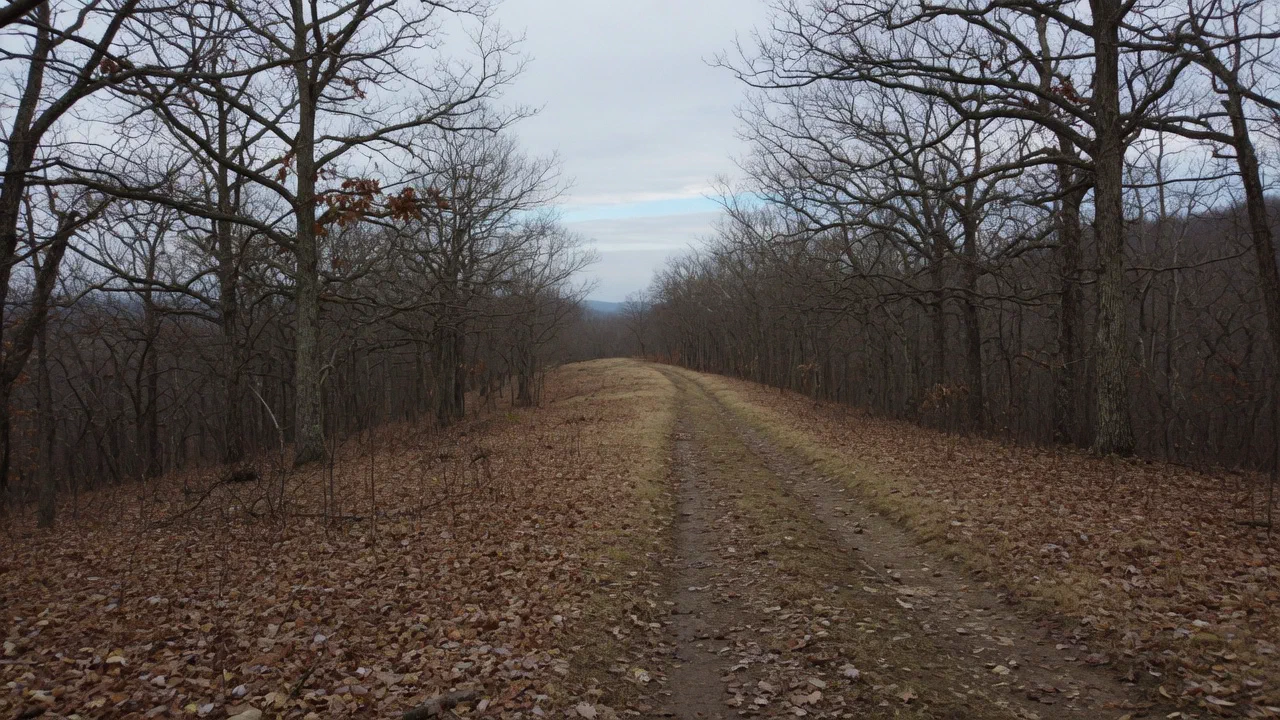
Elk habitat varies by region. Western herds tend to migrate long distances. In the East, reintroduced populations often remain more local. Always scout your area for tracks, rubs, droppings, bedding areas, and trails3.
Effective Elk Hunting Strategies
Spot and Stalk
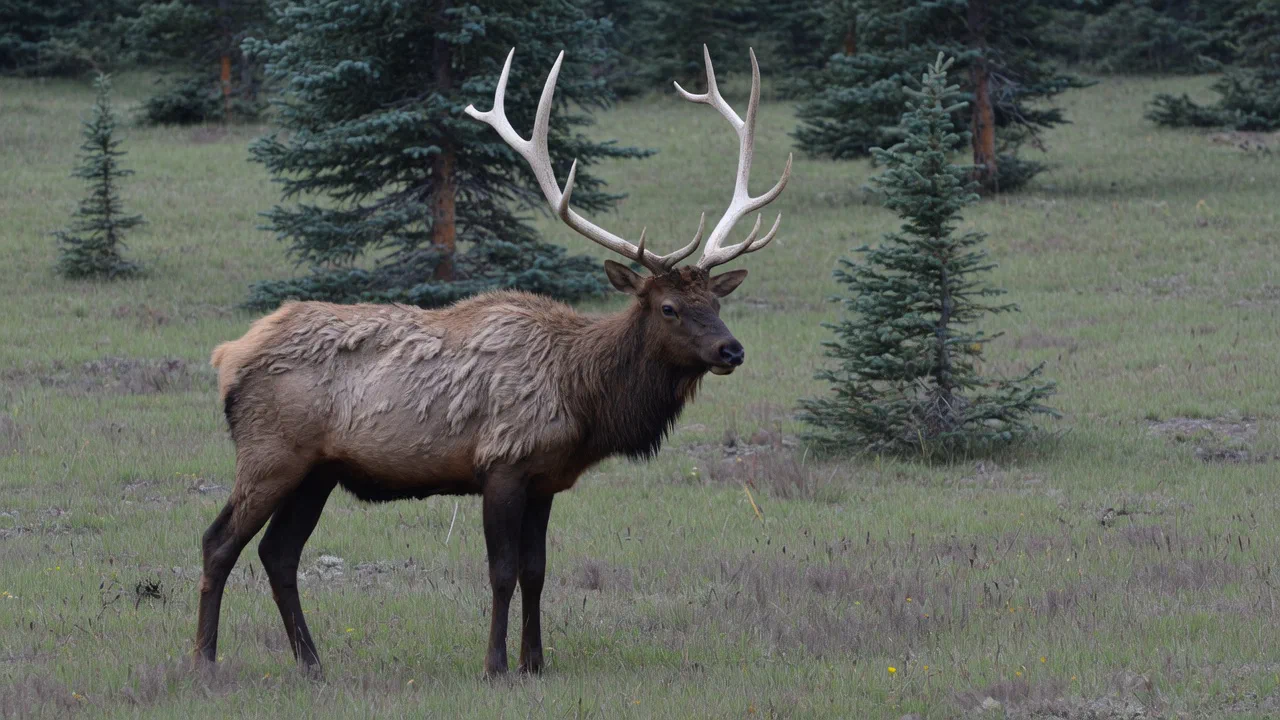 A proven tactic in open country:
- Glass hillsides, meadows, and ridgelines at first and last light.
- Use high-quality binoculars and spotting scopes.
- Once elk are located, approach quietly with the wind in your face.
This method requires fitness, patience, and understanding of thermals (how air currents shift with temperature).
Still Hunting and Timber Work
Useful in thick cover:
- Move slowly, scan ahead, and listen.
- Focus on areas with recent sign.
- Use natural cover to break up your silhouette.
- Be prepared to sit and wait if sign is fresh.
Calling Techniques
Calling works best during the rut:
- Bugles: Challenge bulls or locate distant elk.
- Cow calls: Draw in bulls or calm nervous herds.
- Chuckles and glunks: Close-range bull sounds to coax wary animals.
Tip: Practice at home and use recordings from your state wildlife agency to learn elk vocalizations2.
Ambush Hunting
Ideal for high-pressure areas or late season:
- Set up near wallows, game trails, or feeding areas.
- Use terrain features like saddles or benches.
- Let the elk come to you. Silence and scent control are critical.
Elk Hunting Gear Checklist
| Gear Item | Purpose |
|---|---|
| Rifle (e.g. .30-06, .300 Win Mag) | Delivers enough energy for a large animal at distance. |
| Bow (min. 60–70 lb draw) | Required for archery season. Broadheads must be razor-sharp. |
| Binoculars (10x42) | For spotting in open terrain. |
| Spotting Scope | Helps judge distance and antler quality. |
| Backpack | Carries gear and meat quarters out of the field. |
| GPS + Map + Compass | Navigation in remote terrain. |
| Game Bags | Keeps meat clean and cool during pack-out. |
| Layered Clothing | Weather can shift rapidly in elk country. |
| Boots (insulated, waterproof) | Essential for rugged terrain and long hikes. |
| First Aid + Survival Kit | Always prepare for unexpected injuries or overnight stays. |
For gear suggestions, see top hunting backpacks and best hunting boots.
Season Timing and Behavior
| Season Phase | Behavior Observed | Best Tactics |
|---|---|---|
| Early (Aug–Sept) | Bulls in bachelor groups, cows in separate herds | Spot and stalk, waterhole ambush |
| Peak Rut (Late Sept) | Bulls vocal, gathering harems | Calling and aggressive setups |
| Post-Rut (Oct) | Bulls rest, move less | Still hunting, focus on food |
| Late Season (Nov–Dec) | Elk pressured, move to deep cover or private land | Tracking, snow glassing |
Be aware of weather shifts. Early snow often pushes elk to lower elevations. Rain can dampen bugling. Wind changes thermals and scent direction.
Preparing for the Hunt
Physical Conditioning
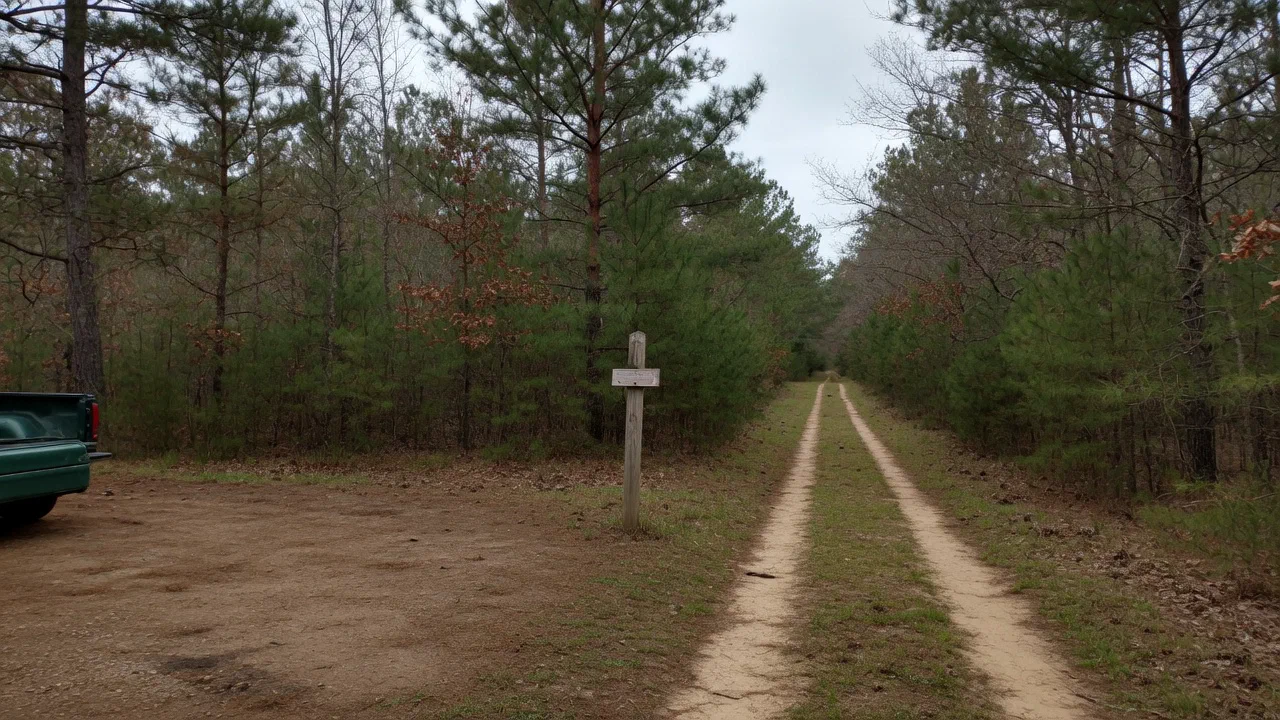 Elk country is steep and unforgiving. Start a training routine weeks or months in advance. Focus on:
- Hiking with weight
- Cardio endurance
- Core and leg strength
Shooting Practice
Practice shooting from:
- Kneeling, seated, and prone positions
- Uphill and downhill angles
- Realistic distances (100–400+ yards for rifles)
Archery hunters should practice at 20–60 yards and from elevated positions.
Know the Laws
Regulations vary by state and unit:
- Tag application deadlines
- Legal weapons and calibers
- Season dates and units
- Antler point restrictions
- Blaze orange requirements
Always read your state’s official hunting guide before your trip4.
Elk Hunting Ethics and Safety
- Identify your target clearly. Never shoot at movement or sounds.
- Respect the animal. Make clean shots and track wounded game thoroughly.
- Leave no trace. Pack out all trash and spent casings.
- Don’t crowd others. Give space to fellow hunters.
- Know how to care for meat. Skin, quarter, and cool elk quickly to avoid spoilage1.
Helpful Next Step
If you’re planning your first elk hunt:
- Review the first-time hunter checklist
- Learn how to field dress large game
- Choose the right gear with caliber selection tips
- Practice your elk calls and study vocalization videos from trusted state wildlife agencies
Elk hunting isn’t easy. but that’s part of why it’s so rewarding.
For reference only. This page summarizes agency publications and is not legal advice or an official source; confirm dates, limits and fees with the state wildlife agency before you hunt. Regulations change mid-season. Send a correction if you spot an error. Disclaimer.