Feral hogs are one of the most destructive invasive species in the U.S. They tear up farmland, ruin native habitats, and carry diseases that threaten livestock and humans. Hunting them isn’t just a sport. it’s a critical management tool.
What Are Feral Hogs?
100–400+ lbs (boars), 80–300 lbs (sows) Feral hogs are domestic pigs that escaped or were released and became wild. Over time, they adapt by developing coarser hair, longer tusks, and aggressive behavior. They’re still Sus scrofa, the same species as farm pigs.
 You’ll see them in all shapes and colors: black, brown, red, even spotted. Some resemble Russian boars. Others look like scruffy farm hogs.
The Damage They Cause
Feral hogs cause over $1.5 billion in damage annually in the U.S. 1. Here’s what they’re wrecking:
Agriculture
- Rooting up corn, soybeans, rice, peanuts, and pastures
- Trampling fields
- Competing with livestock for food and water
Habitat and Wildlife
- Destroying native plants through rooting and wallowing
- Spreading invasive seeds
- Raiding nests of birds, turtles, and small mammals
- Competing with deer and turkey for acorns
Disease Risks
They carry serious diseases:
- Swine brucellosis
- Pseudorabies
- Leptospirosis
- Trichinosis (transmitted to humans through undercooked meat)
Always wear gloves when field dressing and cook meat to at least 160°F.
Behavior and Habits
Sounders and Boars
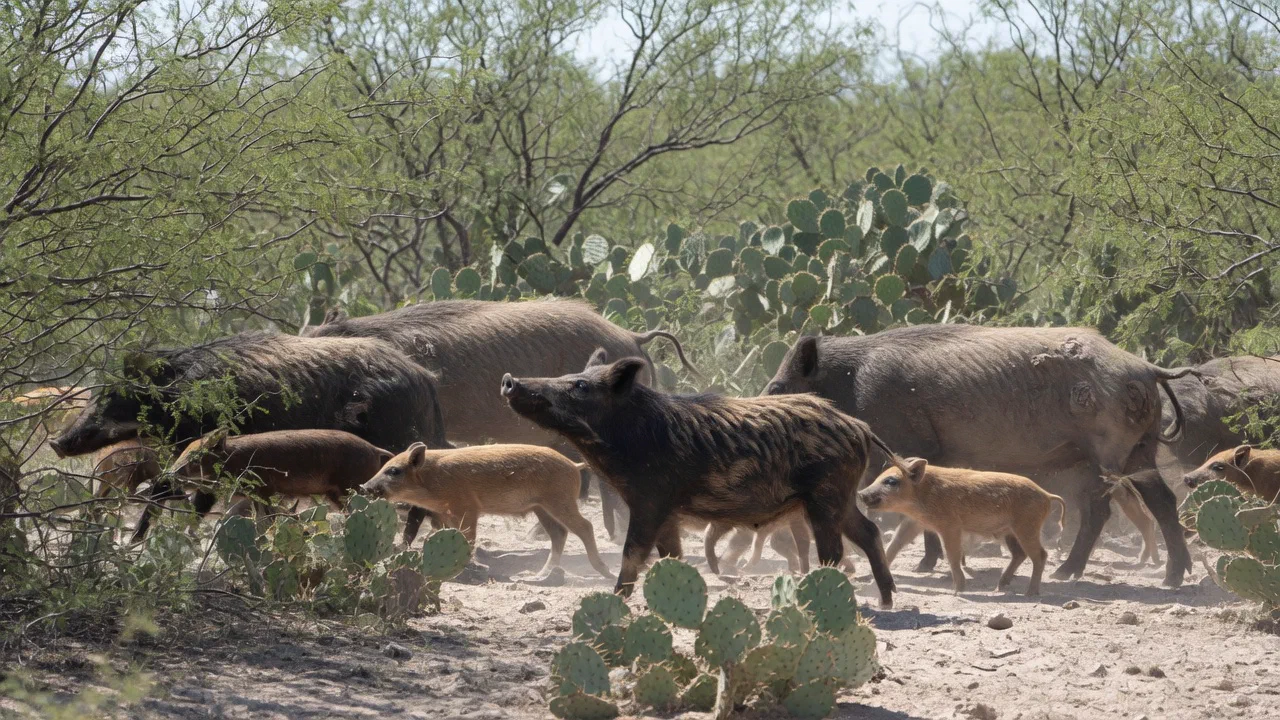
- Sounders = female-led family groups with piglets
- Boars = adult males, usually solitary except during breeding
Breeding
- Can breed at 6 months
- Up to 2 litters per year, with 4–12 piglets each
- Year-round reproduction in most climates
Feeding
Omnivores with a wide diet:
- Roots, acorns, crops, frogs, bird eggs, carrion
- Forage up to 8 hours a day
- Prefer dawn, dusk, and nighttime activity
How to Hunt Feral Hogs
Hunting helps control populations and provides good meat. Many states have relaxed rules because hogs are non-native pests.
Common Hunting Methods
- Spot and Stalk: Scan fields, move in quietly
- Stand Hunting: Wait near trails, feeders, or water
- Feeder Hunting: Use timed feeders to attract hogs
- Night Hunting: Use thermal scopes or lights if legal
- Dog Hunting: Legal in some states; requires training
- Trapping: Effective for whole sounders, especially on private land
Tip: Read your state’s laws carefully before hunting. See the hunting license guide for more.
Where to Find Hogs
Look in:
- Swamps, creek bottoms, and thick brush
- Agricultural edges
- Public land with dense understory. check public land access
They follow water, cover, and food. After rain, they root in softened ground. In heat, they move at night.
Best Calibers and Gear
Feral hogs are tough. Use the right gear:
| Gear | Notes |
|---|---|
| .30-06, .308, 6.5 CM | Reliable calibers for clean kills |
| .223 / 5.56 | Use bonded or heavy bullets; aim precisely |
| Shotgun + slugs | Great for close quarters or thick brush |
| Thermal scopes | Ideal for night hunting |
| Night vision | Legal in many states; check gear rules |
| Field dressing kit | Gloves, knives, game bags |
| Cooler + Ice | Meat spoils fast in heat |
More options: Top hunting backpacks, Best hunting boots
Processing and Cooking
Hog meat is lean, flavorful, and popular for sausage or roasts. But be safe:
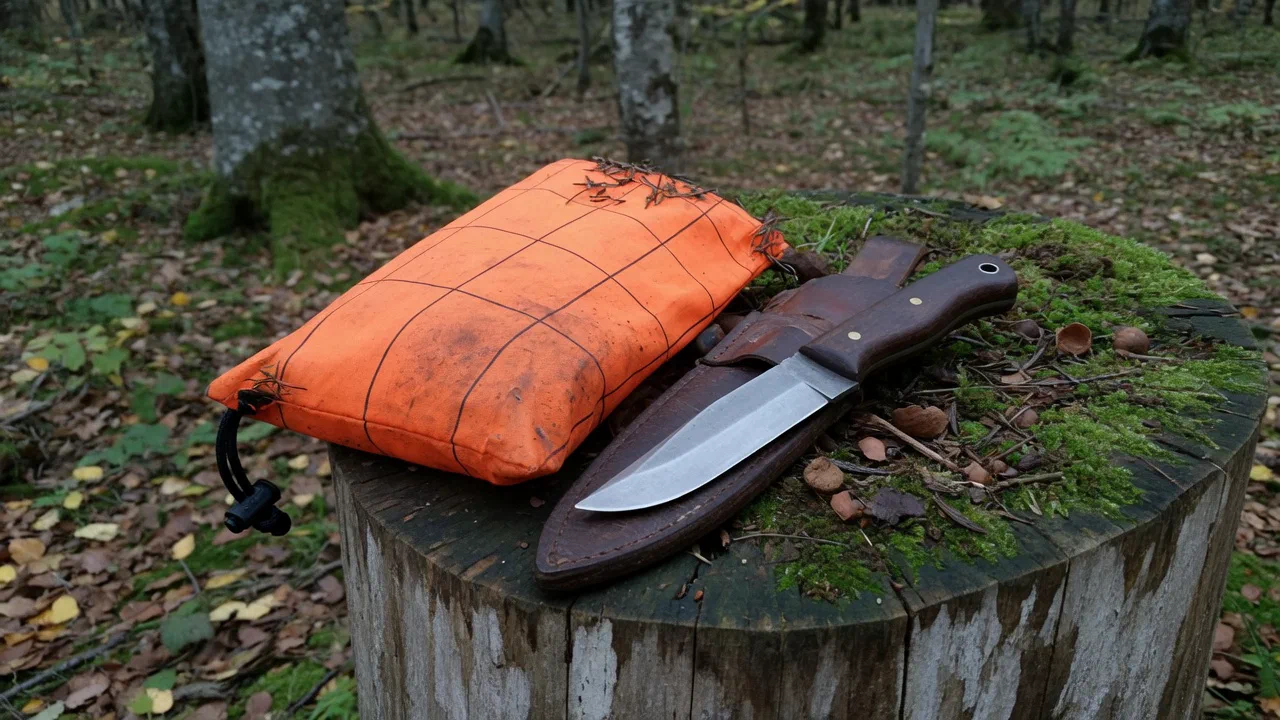
- Wear gloves when dressing
- Remove glands and clean thoroughly
- Cook to 160°F internal temperature
- Freeze meat to kill parasites
- Avoid field dressing obviously sick animals
Tip: If in doubt, skip it. Disease risks are real.
Legal Considerations
Feral hogs are often classified as “nuisance wildlife.” Many states:
- Allow year-round hunting
- Have no bag limit
- Do not require a license on private land
- Require permission to hunt public land or use traps
Check your local state regulations for up-to-date laws.
Plan Your Hunt
Feral hog hunting is rewarding. and important. To get started:
- Review the first-time hunter checklist
- Choose your rifle and caliber
- Explore your public land options
- Consider hunting at night with thermal scopes
Control the spread. Respect the animal. Hunt smart.
For reference only. This page summarizes agency publications and is not legal advice or an official source; confirm dates, limits and fees with the state wildlife agency before you hunt. Regulations change mid-season. Send a correction if you spot an error. Disclaimer.