Wild turkeys are one of North America’s most challenging and rewarding game birds. Their sharp vision, unpredictable behavior, and seasonal changes make turkey hunting a skill-based pursuit. This hub covers everything you need to get started. or improve your success in the field.
Wild Turkey Basics
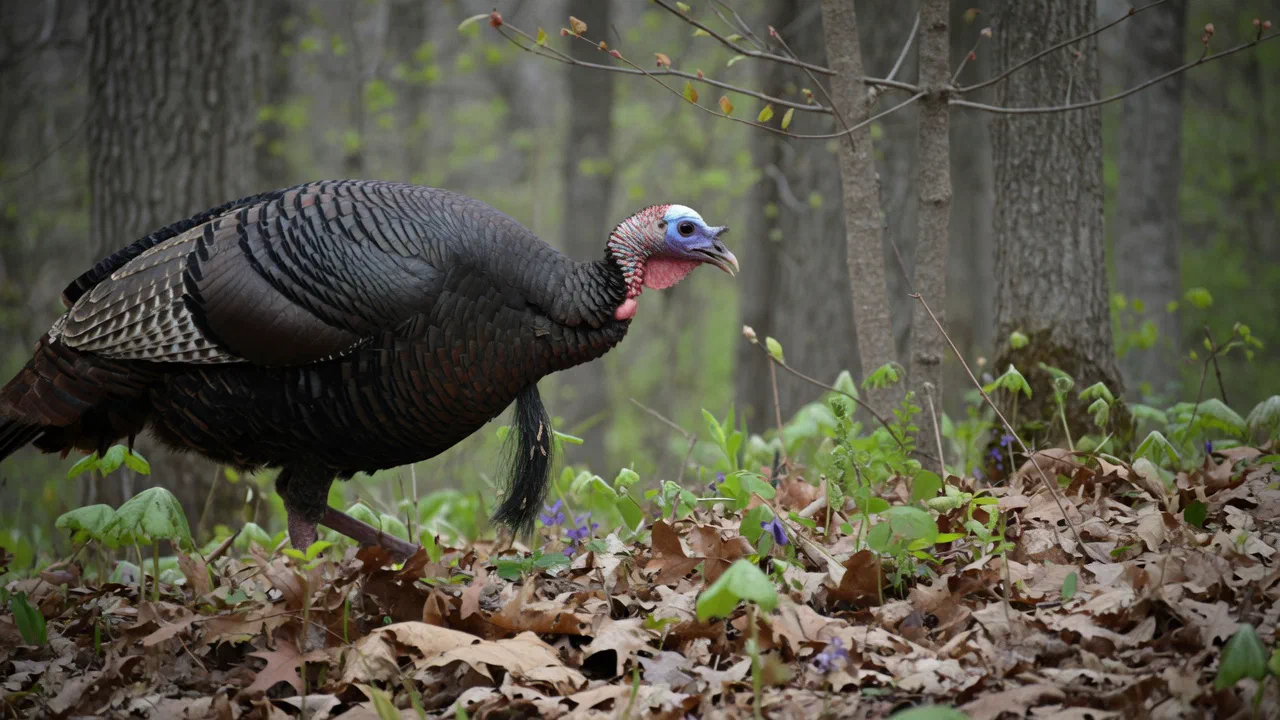
- Subspecies: Eastern, Osceola, Merriam’s, Rio Grande, and Gould’s.
- Behavior: Roosts in trees, flies down at dawn, spends the day foraging.
- Weight: Adult toms typically weigh 11–24 lbs (toms), 5–12 lbs (hens).
- Senses: Excellent vision and hearing. They’ll bust you from a long way off.
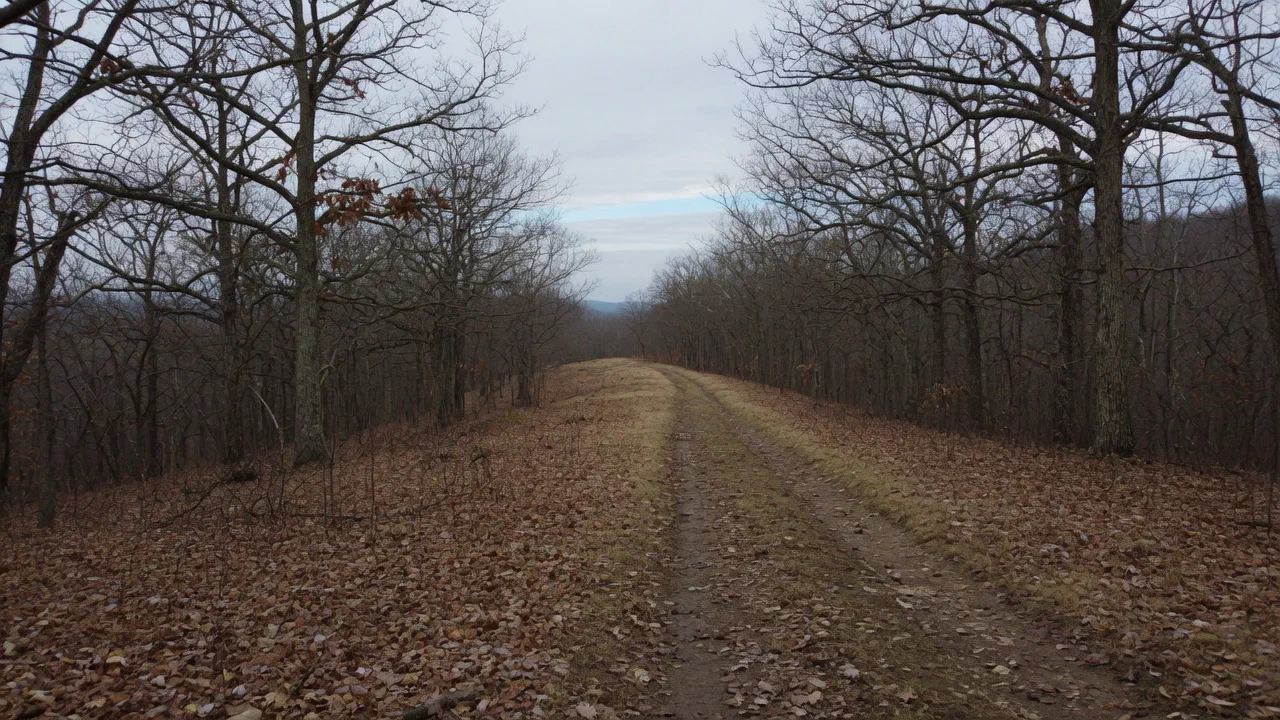 Knowing how turkeys move and communicate is key to a successful hunt.
Spring vs. Fall Turkey Hunting
| Season | Strategy | Bag Limits |
|---|---|---|
| Spring | Call in gobblers with hen sounds | Typically 1–2 bearded birds |
| Fall | Scatter and regroup mixed flocks | Often either-sex allowed |
Spring hunts are about vocal engagement. Fall hunts focus more on ambush and flock manipulation. Plan differently for each.
More details here: Hunting Seasons Hub
Where to Hunt Turkeys
Wild turkeys prefer a mix of:
- Mature hardwoods or pine forests for roosting
- Open fields and edges for feeding
- Access to water and low human pressure
Signs to look for:
- Scratch marks in leaf litter
- Droppings or feathers
- Morning or evening gobbles
Want to find a spot to hunt? Start with the Land Access Hub
Essential Turkey Hunting Gear
Every turkey hunter should have:
- Shotgun: 12- or 20-gauge with a full or extra-full choke
- Turkey Loads: Shot sizes #4, #5, or #6
- Calls: Box, slate, and diaphragm (practice your yelps and clucks)
- Decoys: Hen decoys are standard; use jakes or toms carefully
- Camouflage: Cover everything, including face and hands
Explore detailed recommendations in the Hunting Gear Hub
Scouting and Setup Tips
Scouting Roosts
Listen at dawn and dusk to locate gobblers in trees. Mark roosts and travel routes in advance. Set up 100–150 yards from the roost tree, and stay concealed.
Decoy Placement
Set decoys in clearings with a shooting lane. A lone hen is effective. A jake decoy can spark aggression in spring. Place within 25–35 yards.
Calling Strategy
Start subtle. Use yelps and clucks to bring in gobblers. Don’t overcall. If a bird hangs up, change tone or go silent. Silence often triggers curiosity.
More tactical help: Turkey Tactics & Game Species Hub
Shot Placement and Ethics
- Aim for: Head and upper neck
- Ideal range: 20–40 yards
- Avoid: Body shots. feathers hide the vitals
A clean shot ensures a fast, ethical kill and preserves meat quality.
After the Shot: Processing Your Turkey
- Field Dress Quickly: Open body cavity and remove entrails
- Cool the Meat: Pack with ice and keep shaded
- Break Down at Home: Breast, thighs, legs. freeze or cook soon
Legal Requirements and Conservation
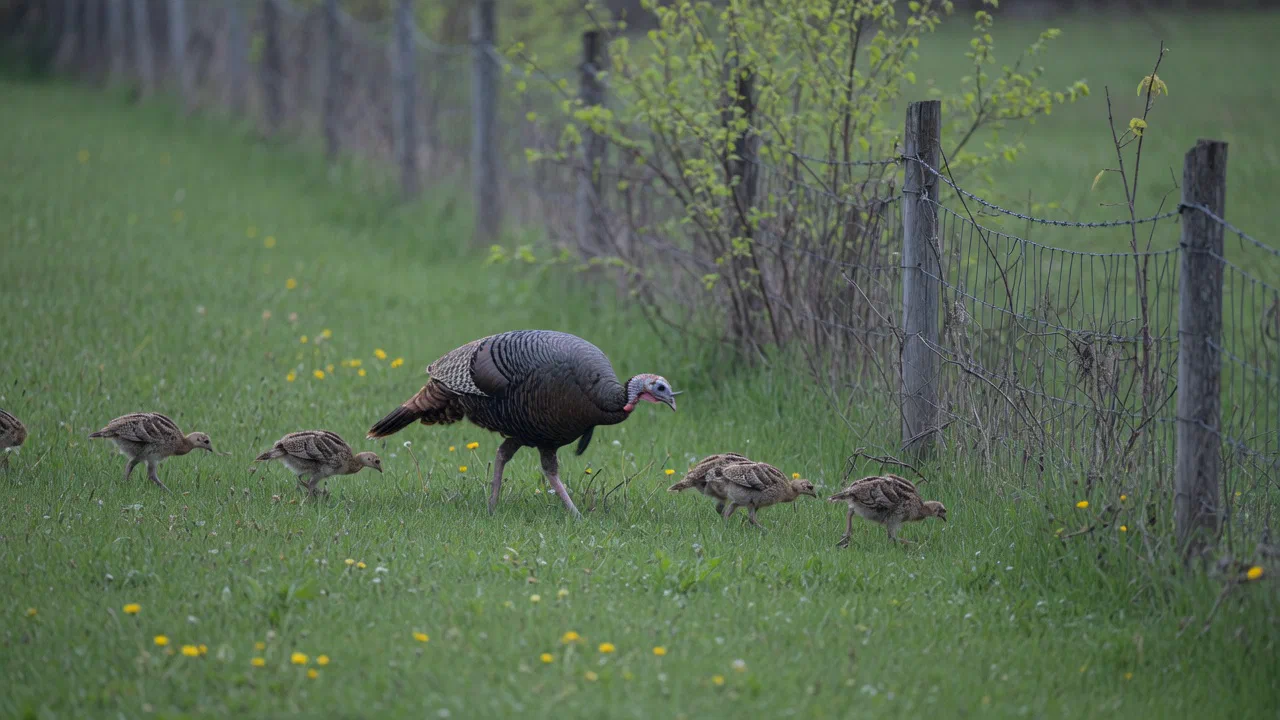
Wild turkey populations have rebounded because of strong conservation laws and ethical hunters. Do your part:
- Buy a valid hunting license
- Tag and report your harvest as required
- Know your local regulations before every hunt
Use the Regulations Hub to find state laws, bag limits, and reporting deadlines.
Helpful Links
- Seasons Overview
- Land Access Options
- Hunting Gear Reviews
- Turkey and Other Game Guides
- Regulations and Licenses
- First-Time Hunter Checklist
- Hunting License Guide
Final Tip
Most turkeys are taken in the first hour of light. Be in position before dawn, stay still, and stay patient. Turkeys are wary, but predictable. if you’ve done your scouting and practiced your calls.
For reference only. This page summarizes agency publications and is not legal advice or an official source; confirm dates, limits and fees with the state wildlife agency before you hunt. Regulations change mid-season. Send a correction if you spot an error. Disclaimer.