Ohio provides excellent wild turkey hunting backed by decades of successful restoration and management. Adult toms typically weigh 11–24 lbs (toms), 5–12 lbs (hens) and inhabit nearly every county in the state. The Eastern wild turkey is the only subspecies found in the state, and populations have grown steadily since reintroduction efforts brought turkeys back to Ohio’s forests and farmlands in the latter half of the twentieth century. Today, turkeys inhabit nearly every county, from the heavily forested Appalachian foothills of southeastern Ohio to the agricultural flatlands of the western part of the state. The Ohio Department of Natural Resources Division of Wildlife (ODNR) manages turkey populations through structured spring and fall seasons, harvest surveys, and habitat management.
| Season Type | Opens | Closes | Notes |
|---|---|---|---|
| Fall | October 1, 2026 | October 25, 2026 | Fall wild turkey season in select counties (see ODNR open counties map). Either sex; bag limit 1. Shotguns with shotshells only; no archery in the fall season. |
| Spring est. | April 25, 2026 | May 24, 2026 | Most recent published dates (spring 2026, South Zone; Northeast Zone May 2-31, 2026). Spring 2027 dates had not been adopted as of 2026-09-05: ODNR proposed South Zone April 24 - May 23, 2027 and Northeast Zone May 1-30, 2027, with a Wildlife Council vote scheduled Oct. 28, 2026. Season limit one bearded turkey; hours 1/2 hour before sunrise to noon for the first nine days, then to sunset. |
| Youth Spring est. | April 18, 2026 | April 19, 2026 | Most recent published dates (spring 2026 youth season, South Zone; Northeast Zone April 25-26, 2026). Spring 2027 youth dates had not been adopted as of 2026-09-05: proposed South Zone April 17-18 and Northeast Zone April 24-25, 2027. Hunters 17 and younger with a non-hunting adult; hours 1/2 hour before sunrise to sunset. |
2026-2027 seasonVerified against Ohio Department of Natural Resources Division of Wildlife, 2026-27 Ohio Hunting & Trapping Regulations on September 5, 2026.Sources: dam.assets.ohio.gov/image/upload/ohiodnr.gov/documents/wildl …, ohiodnr.gov/wps/portal/gov/odnr/discover-and-learn/safety-co … Confirm dates in the current regulations before you hunt.
Ohio’s landscape provides ideal habitat for Eastern turkeys. The southeastern hills, with their extensive oak-hickory forests, deep hollows, and ridgeline openings, support some of the highest turkey densities in the state. The mix of mature timber for roosting, open fields and forest openings for strutting, and mast-producing hardwoods for feeding creates a complete habitat package. Agricultural areas around Columbus, Cleveland, and Cincinnati also hold turkeys in woodlots, creek corridors, and edges between cropland and timber.
Always verify current season dates, bag limits, and legal requirements through the official ODNR regulations before heading afield. Rules may change from year to year.
Tactics and Strategies
Ohio turkey hunting tactics revolve around the Eastern subspecies in a landscape that blends deep timber with agricultural openings. In the southeastern hills, the classic approach is to roost a gobbler the evening before by listening for fly-up gobbles on the ridges, then set up in the dark within calling distance the next morning. Ohio gobblers often roost on points and ridge spines above creek drainages, then fly down to strut on logging roads, ridge saddles, or field openings.
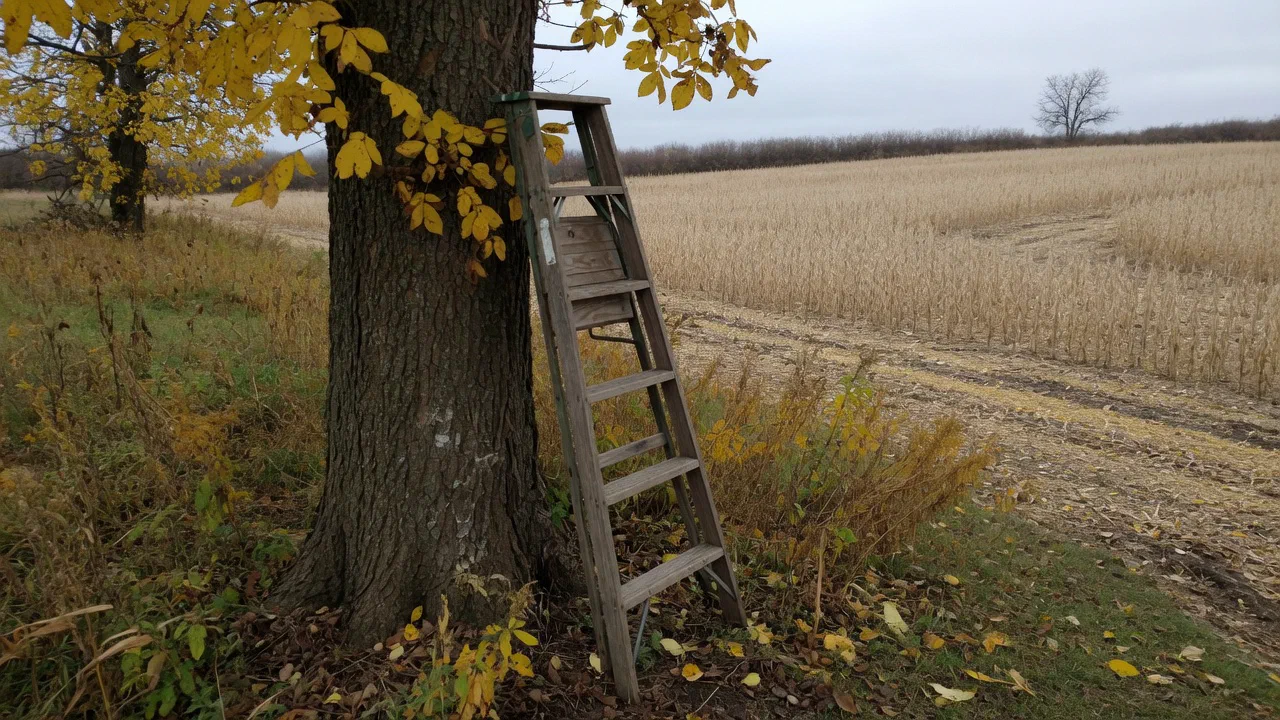 Calling is central to Ohio turkey hunting. Soft tree yelps and fly-down cackles early in the morning, followed by standard hen yelps and occasional cutting to generate excitement, are staple techniques. In the hills, sound carries differently through hollows and over ridges, so positioning yourself on the same elevation or terrain feature as the gobbler improves your odds.
In the agricultural counties of western and central Ohio, turkeys use woodlots for roosting and feed in open crop fields. Setting up on the timber edge between a roost and a known strut zone in a field is highly effective. Decoys are more useful in these open-terrain situations, where toms can see them from a distance.
Mid-morning through early afternoon can produce good action in Ohio as hens go to nest and leave gobblers searching for company. If early-morning setups do not produce, changing position and covering ground to locate birds that are still gobbling is a productive adjustment.
Season Overview
Ohio offers both spring and fall turkey seasons. The spring season is the main event and typically runs from late April through the end of May (2026 dates; spring 2027 dates not yet announced). A youth-only spring season opens before the general season, providing young hunters with early access to unpressured birds. The spring season is structured around the peak of gobbling and breeding activity, giving hunters the best chance of calling in a tom.
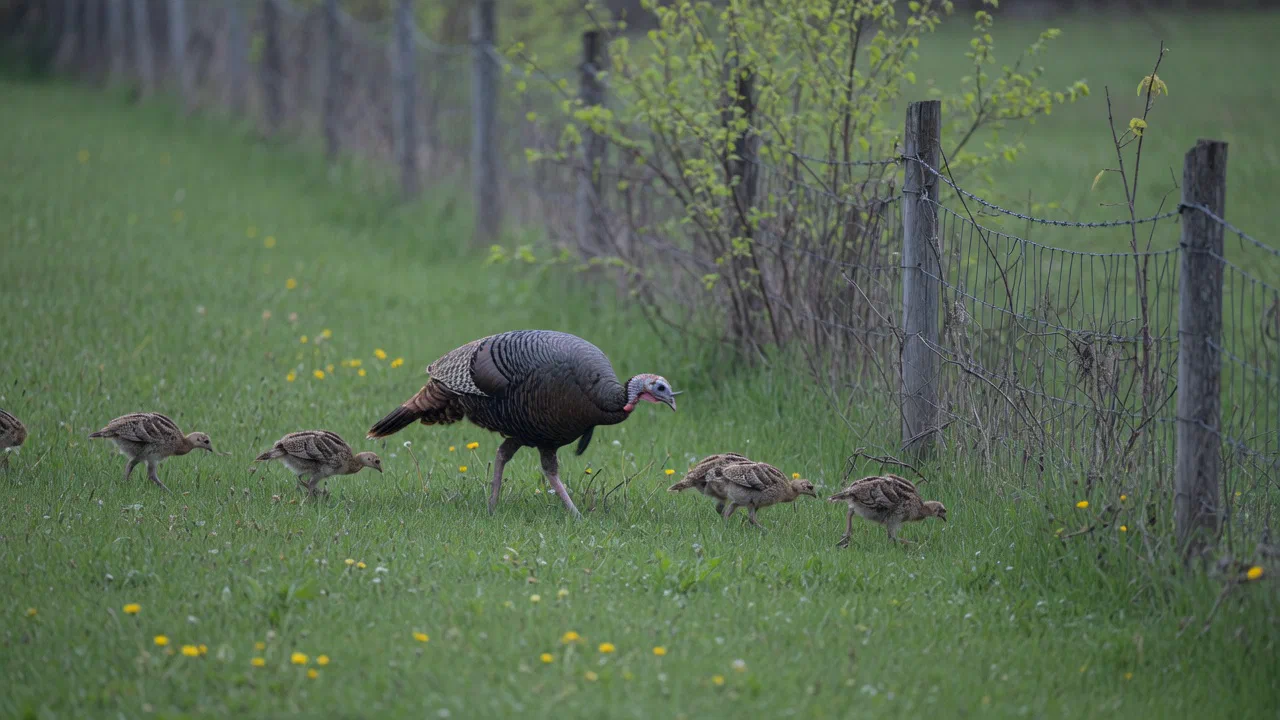 The fall season is generally shorter and opens in October, coinciding with archery deer season. Fall turkey hunting in Ohio attracts less participation than the spring season and offers a different style of hunting focused on breaking up flocks and calling scattered birds back together.
For the most current season dates and details, visit the Ohio hunting seasons page.
Where to Hunt
Ohio has strong public land opportunities for turkey hunting, especially in the southeastern portion of the state where large tracts of forest land hold excellent populations. Top public land areas include:
Wayne National Forest – Ohio’s only national forest covers thousands of acres across the southeastern hills. The mature oak-hickory timber, reclaimed mine land openings, and low hunting pressure make this one of the best public turkey hunting destinations in the state.
Shawnee State Forest – In the Appalachian foothills of southern Ohio, Shawnee’s rugged ridges and hollows provide classic hill-country turkey habitat. Gobblers use ridgetop openings for strutting and roost in tall hardwoods along drainages.
Zaleski State Forest – Located in Vinton County, Zaleski offers rolling hardwood terrain with scattered openings that turkeys favor for feeding and strutting. The remote character of this forest keeps hunting pressure manageable.
Mohican State Forest – In north-central Ohio, Mohican features mature timber and hemlock gorges. Turkeys are well established and the terrain provides natural calling setups along ridges and valley edges.
Woodbury Wildlife Area – In Coshocton County, this area combines agricultural edges with hardwood timber, creating excellent habitat where turkeys feed in fields and roost in adjacent timber.
For more on public land access options, visit the Ohio hunting land page.
Regulations Highlights
Ohio’s turkey regulations are straightforward but include important details that all hunters should know:
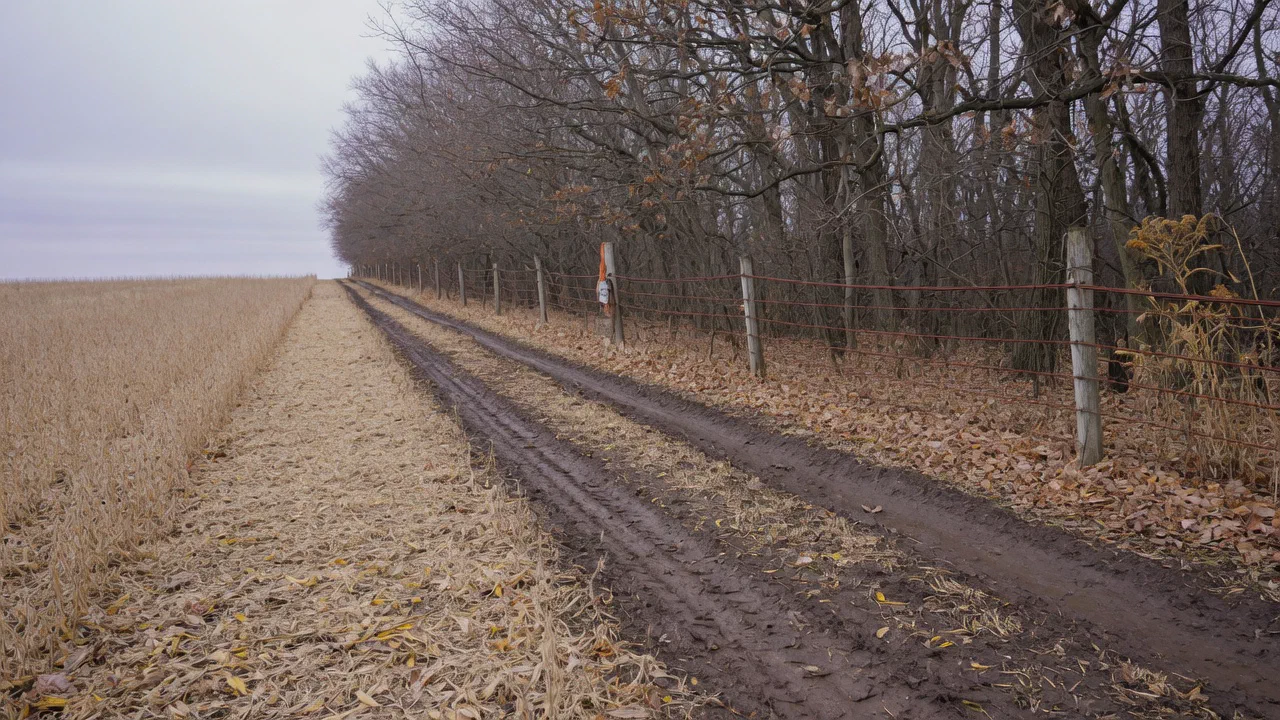 <strong>Daily limit:</strong> 1 | <strong>Season limit:</strong> 1 [source]
- Bag limits: Spring season typically allows one bearded turkey. Fall season bag limits may allow one turkey of either sex, depending on population assessments.
- Legal weapons: Shotguns, archery equipment including crossbows, and muzzleloading shotguns are legal for turkey hunting. Rifles are not permitted.
- Shot size and type: Regulations specify maximum shot sizes and may require non-toxic shot on certain public areas.
- Hunting hours: Spring turkey hunting is legal from one-half hour before sunrise to noon for the first nine days of the season, then to sunset.
- Blaze orange: Not required during spring turkey season but may be advisable when moving through areas where other hunting activity is occurring.
- Tagging and reporting: All harvested turkeys must be tagged immediately and checked in through the ODNR game-check system.
Review the full set of rules on the Ohio hunting regulations page.
Licensing and Tags
All turkey hunters in Ohio need a valid hunting license and a turkey permit. The spring turkey permit allows the harvest of one bearded turkey during the spring season. Fall turkey permits are separate and may have different availability depending on population management goals. Residents can expect to pay $19.00 for a resident hunting license, while nonresidents should budget for the higher $180.96 nonresident fee.
Nonresidents can purchase both hunting licenses and turkey permits in Ohio. There is no draw system for turkey permits, making Ohio accessible to visiting hunters. Youth hunters may have reduced license requirements under mentored hunting programs.
For a full breakdown of license types and purchasing options, see the Ohio hunting license guide.
Gear Considerations
Ohio spring turkey season takes place in moderate conditions, though mornings can be cool and rain is common in April and May. Hunters should be prepared for damp, variable weather.
Key gear for Ohio turkey hunting includes:
- A 12-gauge or 20-gauge shotgun with a dedicated turkey choke and quality loads. TSS loads are increasingly popular for their extended range and dense patterns.
- Full camouflage clothing with rain-resistant outer layers for Ohio’s unpredictable spring weather
- A comfortable turkey vest with a built-in seat, as long sits against trees are common in the hill country
- A variety of calls: diaphragm calls for hands-free operation, slate calls for realistic tone, and a box call for windy conditions or long-distance calling
- A compact, realistic hen decoy for open-field setups
- Waterproof hunting boots that handle muddy hollows, creek crossings, and steep terrain
For detailed gear recommendations, visit the gear hub.
Build Your Plan
Ohio’s thriving Eastern turkey population and abundant public forest land make it a rewarding destination for spring and fall turkey hunters. Use these resources to build your hunt plan:
- Turkey Hunting Guide – Biology, behavior, and calling strategies
- Ohio Location Hub – Overview of hunting opportunities across the state
- Scouting Basics – How to locate roosting and strutting areas
- First-Time Hunter Checklist – Everything you need before your first hunt
For reference only. This page summarizes agency publications and is not legal advice or an official source; confirm dates, limits and fees with the state wildlife agency before you hunt. Regulations change mid-season. Send a correction if you spot an error. Disclaimer.