Iowa sits squarely in the Mississippi Flyway and provides excellent waterfowl hunting as millions of birds funnel through the state each fall and winter. Commonly hunted species include Mallard, Wood Duck, Pintail, Teal, Canada Goose, Snow Goose. The Missouri River along the western border and the Mississippi River along the eastern border create major migration corridors, while the state’s interior network of rivers, marshes, reservoirs, and agricultural fields provides staging and feeding habitat that holds birds throughout the season. The Iowa Department of Natural Resources (IADNR) manages waterfowl hunting within the federal framework, setting seasons and zones that align with flyway-wide management objectives.
| Season Type | Opens | Closes | Notes |
|---|---|---|---|
| Early Teal | September 5, 2026 | September 13, 2026 | Special September teal season, statewide; blue-winged, green-winged and cinnamon teal only. Daily limit 6. |
| North Zone | October 3, 2026 | October 9, 2026 | North Zone ducks, coots and mergansers, first segment. Second segment Oct. 17 - Dec. 8, 2026. Youth waterfowl days Sept. 26-27. North Zone geese Sept. 26 - Oct. 11, Oct. 17 - Dec. 8 and Dec. 12, 2026 - Jan. 9, 2027. |
| North Zone Late | October 17, 2026 | December 8, 2026 | North Zone ducks, coots and mergansers, second segment. |
| Central Zone | October 10, 2026 | October 16, 2026 | Central Zone ducks, coots and mergansers, first segment. Second segment Oct. 24 - Dec. 15, 2026. Youth days Oct. 3-4. Central Zone geese Oct. 3-18, Oct. 24 - Dec. 15 and Dec. 19, 2026 - Jan. 16, 2027. |
| Central Zone Late | October 24, 2026 | December 15, 2026 | Central Zone ducks, coots and mergansers, second segment. |
| South Zone | October 17, 2026 | October 23, 2026 | South Zone ducks, coots and mergansers, first segment. Second segment Oct. 31 - Dec. 22, 2026. Youth days Oct. 10-11. South Zone geese Oct. 10-25, Oct. 31 - Dec. 22 and Dec. 26, 2026 - Jan. 23, 2027. |
| South Zone Late | October 31, 2026 | December 22, 2026 | South Zone ducks, coots and mergansers, second segment. |
2026-2027 seasonVerified against Iowa Department of Natural Resources, 2026-27 Iowa Hunting Seasons on September 5, 2026.Source: iowadnr.gov/things-do/hunting-trapping/iowa-hunting-seasons Confirm dates in the current regulations before you hunt.
Iowa’s waterfowl habitat is diverse. The Mississippi River backwaters and bottomland marshes of the east provide classic big-river duck hunting with flooded timber, sloughs, and island complexes. The Missouri River corridor in the west offers similar bottomland habitat with oxbow lakes and wetlands. Interior Iowa features a network of public marshes, state wildlife management areas, and reservoirs that attract migrating ducks and geese. The vast agricultural landscape of corn and soybean fields provides critical feeding habitat for geese and field-feeding ducks. Hunters near Des Moines, Cedar Rapids, and Dubuque all have access to productive waterfowl areas.
Always verify current season dates, bag limits, and legal requirements through the official IADNR and federal regulations before heading afield. Waterfowl frameworks are set annually and can change based on population data.
Gear Considerations
Iowa’s waterfowl season spans from early fall warmth through the deep cold of winter. Late-season hunts on frozen marshes and wind-swept fields demand serious cold-weather preparation.
Key gear for Iowa waterfowl hunting includes:
- A 12-gauge shotgun in a reliable pump or semi-automatic action with non-toxic loads suited to the target species. Steel shot is the most common, with bismuth and TSS offering premium performance.
- Insulated neoprene chest waders for marsh and river hunting in cold water
- A layout blind with stubble straps for field goose hunting
- A versatile decoy spread including floating mallard decoys for marsh hunts and full-body goose decoys for field setups
- Warm, waterproof hunting boots for dry-field hunting
- Insulated, windproof, and waterproof outerwear for extended exposure to Iowa’s cold, windy conditions
- A well-trained retriever is invaluable for marsh and river hunts where downed birds can be difficult to recover
For detailed gear recommendations, visit the gear hub.
Tactics and Strategies
Iowa waterfowl hunting tactics vary by habitat type and target species. In the marshes of Sweet Marsh and other managed wetlands, hunters set up in cattail and bulrush cover with floating decoy spreads of mallards and other puddle ducks. Early-season teal hunts on these marshes are fast-paced affairs, while later in the season, mallards and other species respond to larger spreads and aggressive calling.
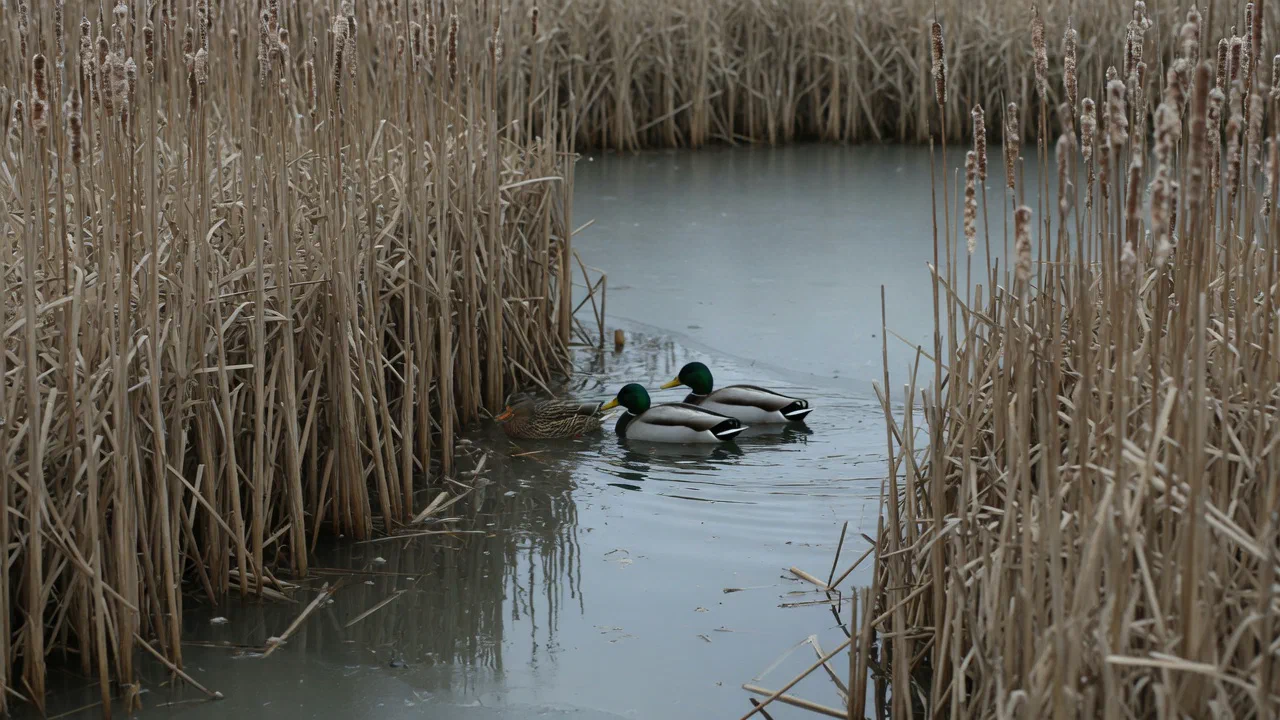 Along the Mississippi and Missouri River corridors, hunting flooded timber, backwater sloughs, and island sandbars is a productive approach. Small decoy spreads in timber openings and slough pockets, combined with patient calling, draw ducks that are working the river system. Jump shooting along river channels and creek confluences can also produce ducks for mobile hunters.
Field hunting for geese is a major part of Iowa waterfowl hunting. Canada geese, snow geese, and white-fronted geese feed in harvested corn and soybean fields across the state. Scouting to locate feeding flocks, then setting up in the X with full-body decoys and layout blinds concealed with crop stubble, is the standard approach. Calling is critical for finishing geese, and a combination of Canada, speck, and snow goose calls covers the range of species encountered in Iowa fields.
During the late season, concentrating on open water on rivers and reservoirs where birds are pushed by ice-up can produce excellent hunting for mallards, goldeneyes, and other hardy species that linger as long as open water remains.
Where to Hunt
Iowa has a network of public marshes, wildlife areas, and river-access points that provide quality waterfowl hunting. Top destinations include:
DeSoto National Wildlife Refuge – Straddling the Iowa-Nebraska border along the Missouri River, DeSoto NWR is a major staging area for snow geese and other waterfowl during fall migration. The refuge offers designated hunting areas and is known for spectacular concentrations of geese.
Sweet Marsh Wildlife Management Area – Located in Bremer County in northeast Iowa, Sweet Marsh is one of the state’s premier public waterfowl marshes. Managed water levels create ideal habitat for puddle ducks, and the area draws strong numbers during migration.
Coralville Lake – The Army Corps of Engineers lands surrounding Coralville Reservoir near Iowa City include marshes, bottomland timber, and river corridors that attract ducks and geese. Walk-in access is available along the reservoir and the Iowa River.
Riverton Wildlife Area – In southwest Iowa along the Missouri River, Riverton provides oxbow lakes, flooded timber, and marsh habitat that holds excellent numbers of mallards and other ducks during migration.
Rathbun Lake Wildlife Area – In south-central Iowa, this large reservoir and surrounding wetlands attract diving ducks and puddle ducks during the fall migration, with open-water and marsh hunting opportunities.
For more on public access options, visit the Iowa hunting land page.
Season Overview
Iowa’s waterfowl seasons follow the Mississippi Flyway framework. An early teal season typically opens in September, providing a fast-paced start to the waterfowl year. The regular duck season usually opens in October and runs into December, often with a zone-based split structure that provides northern and southern zones with different dates. Goose seasons for Canada geese, snow geese, and white-fronted geese run concurrently with or extend beyond duck season, and the light goose conservation order may extend into spring.
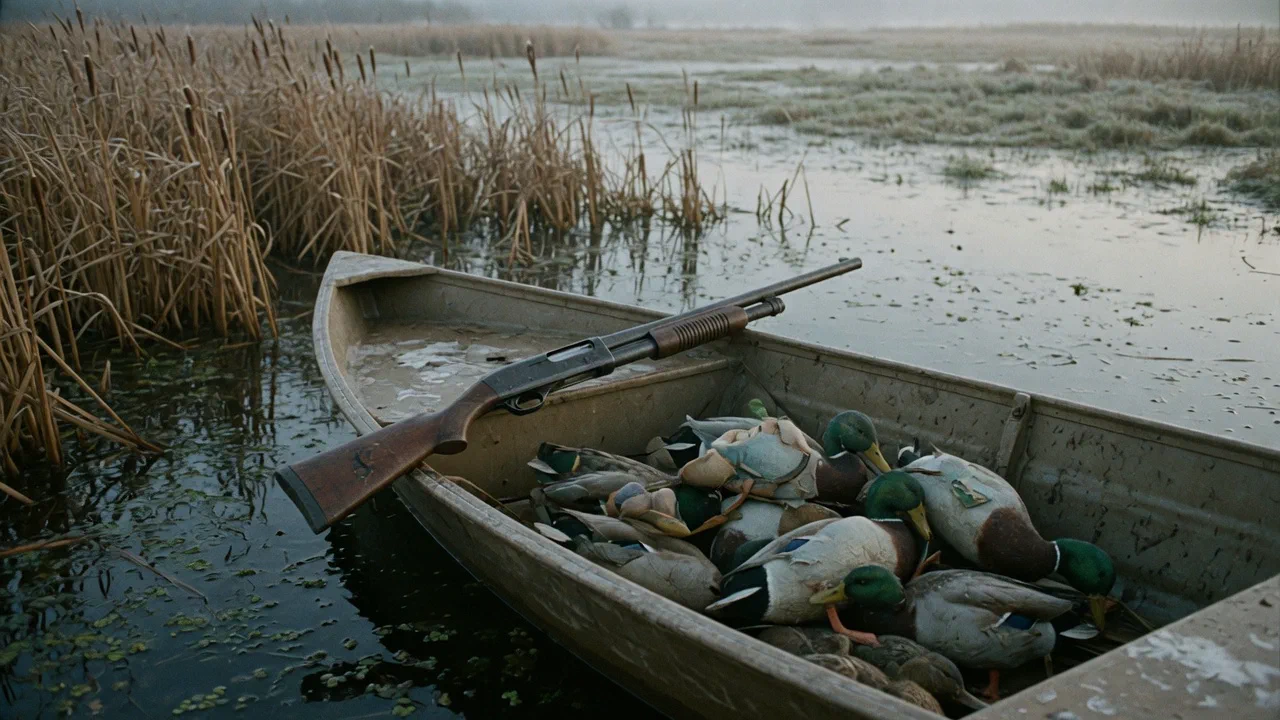 A youth waterfowl hunting day gives younger hunters an early opportunity before the general season opener. Zone boundaries, split dates, and daily bag limits are established each year based on federal flyway frameworks and population surveys.
For full season details, visit the Iowa hunting seasons page.
Regulations Highlights
Iowa’s waterfowl regulations combine state and federal rules. Key regulations to know include:
 <strong>Daily limit:</strong> 6 | <strong>Possession limit:</strong> 18 [source]
- Bag limits: Daily bag limits for ducks and geese are set annually within the federal framework. Species-specific restrictions apply, including limits on hen mallards, canvasbacks, and other species.
- Non-toxic shot: Federal law requires non-toxic shot for all waterfowl hunting. Steel, bismuth, tungsten, and other approved non-toxic shot types are legal.
- Legal weapons: Shotguns plugged to a three-shell total capacity are the legal weapon for waterfowl hunting.
- Hunting hours: Legal shooting hours are from one-half hour before sunrise to sunset.
- Zone structure: Iowa is divided into waterfowl hunting zones with potentially different season dates. Hunters must know which zone they are hunting in.
- Boat and blind regulations: Rules govern the use of motorized boats, temporary blinds, and layout blinds on public waters.
Review the full set of rules on the Iowa hunting regulations page.
Licensing and Tags
Iowa waterfowl hunters need a valid hunting license, the habitat fee, an Iowa migratory game bird fee, and a federal duck stamp (Migratory Bird Hunting and Conservation Stamp). Both residents and nonresidents must have all required credentials before hunting. Registration through the Harvest Information Program (HIP) is also mandatory. Residents can expect to pay $22.00 for a resident hunting license, while nonresidents should budget for the higher $131.00 nonresident fee.
No draw or lottery is required for general waterfowl hunting in Iowa. Licenses, stamps, and HIP registration can be completed online or at authorized retailers. Some managed public hunting areas may have their own check-in procedures or daily hunter limits.
For a complete breakdown of license types and purchasing options, see the Iowa hunting license guide.
Prepare for the Season
Iowa’s position in the Mississippi Flyway, combined with quality public marshes and productive agricultural field hunting, makes it a strong waterfowl hunting destination. Use these resources to build your hunt plan:
- Waterfowl Hunting Guide – Species identification, migration patterns, and general strategies
- Iowa Location Hub – Overview of hunting opportunities across the state
- Scouting Basics – How to pattern waterfowl movement and locate feeding areas
- First-Time Hunter Checklist – Everything you need before your first hunt
For reference only. This page summarizes agency publications and is not legal advice or an official source; confirm dates, limits and fees with the state wildlife agency before you hunt. Regulations change mid-season. Send a correction if you spot an error. Disclaimer.