Wisconsin is a premier waterfowl hunting state in the Mississippi Flyway, with hunters pursuing species including Mallard, Wood Duck, Pintail, Teal, Canada Goose, Snow Goose across a rich combination of inland marshes, river systems, Great Lakes shoreline, and agricultural fields that funnel millions of migrating birds through the state each fall. The Horicon Marsh, one of the largest freshwater cattail marshes in the United States, is a nationally significant staging area that draws massive concentrations of Canada geese and other waterfowl during peak migration. The Wisconsin Department of Natural Resources (WDNR) manages waterfowl seasons within federal flyway frameworks, providing hunters with diverse opportunities from the early teal season through late winter goose hunts.
| Season Type | Opens | Closes | Notes |
|---|---|---|---|
| Early Teal | September 1, 2026 | September 9, 2026 | Statewide early teal season; note different shooting hours. |
| North Zone | September 26, 2026 | November 24, 2026 | Northern Duck Zone. Northern Goose Zone Sept. 16 - Dec. 16. |
| South Zone | October 3, 2026 | October 11, 2026 | Southern Duck Zone first segment; second segment Oct. 17 - Dec. 6. Southern Goose Zone Sept. 16 - Oct. 11, Oct. 17 - Dec. 6 and Dec. 19 - Jan. 2, 2027. |
| Open Water Zone | October 17, 2026 | December 15, 2026 | Open Water Duck Zone. Mississippi River Goose Zone Oct. 3-11 and Oct. 17 - Jan. 5, 2027. |
| Early Goose | September 1, 2026 | September 15, 2026 | Statewide early goose season. |
| Youth | September 19, 2026 | September 20, 2026 | Youth waterfowl hunt, statewide. |
2026-2027 seasonVerified against Wisconsin Department of Natural Resources, Season Dates and Application Deadlines and Fall 2026-Spring 2027 Hunting Regulations on September 5, 2026.Source: dnr.wisconsin.gov/topic/hunt/dates Confirm dates in the current regulations before you hunt.
Hunters near Madison, Milwaukee, and Green Bay are positioned within easy reach of productive waterfowl habitat. The state’s mix of pothole marshes, large river systems like the Mississippi, Wisconsin, and Fox Rivers, and the extensive wetlands along Lake Michigan and Green Bay creates a landscape where waterfowl can be hunted using a variety of methods, from marsh hunting to field hunting to open-water layouts.
Wisconsin’s waterfowl regulations are updated annually based on federal frameworks and population surveys. Hunters should always check the WDNR for current season dates, bag limits, and zone information before each season.
Gear Considerations
Wisconsin waterfowl hunting spans from mild September days to frigid December and January conditions. Quality chest waders are essential for most marsh and river hunting, with neoprene providing the best warmth for late-season hunts and breathable models working well early in the year. For open-water hunting on lakes and the Mississippi River, a sturdy, stable boat suitable for rough water is a significant advantage.
A 12-gauge shotgun with a modified or improved-modified choke handles most waterfowl situations. Steel shot in sizes 2 through BB is standard for ducks, with larger shot sizes or premium loads for geese at distance. Patterning your shotgun with your chosen load is important for understanding effective range.
A good duck or goose call is essential. For mallards, a double-reed call is forgiving for beginners, while experienced callers often prefer single-reed calls for their range and volume. Canada goose calls should produce reliable clucks, moans, and honks. Invest in quality decoys that look realistic and hold up in wind and current.
Layered camouflage clothing appropriate for the terrain – marsh patterns for wetland hunts, field patterns for agricultural setups – keeps hunters concealed. Waterproof boots or waders, hand warmers, and a blind bag with essentials round out the kit.
Check the gear reviews section for more detailed recommendations.
Tactics and Strategies
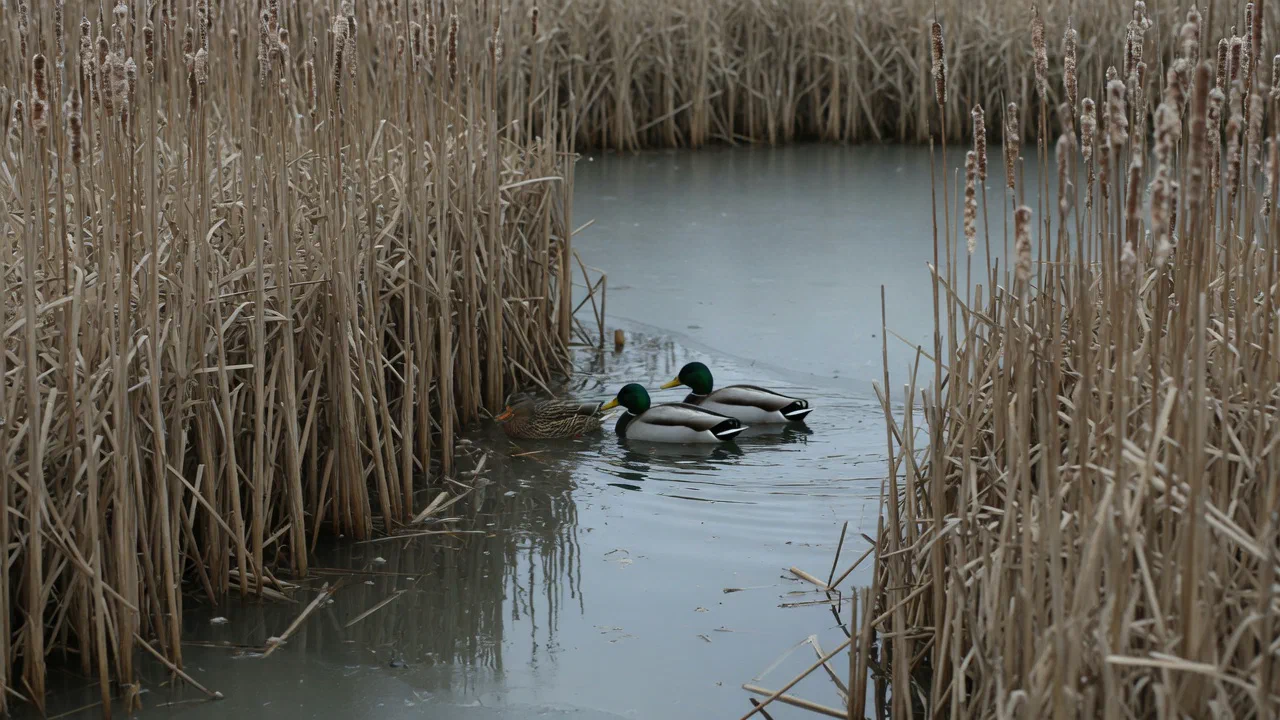
Wisconsin waterfowl hunting tactics vary significantly by habitat type. In the large marsh complexes like Horicon and the Mississippi River backwaters, hunting from permanent or portable blinds over decoy spreads is the standard approach. For puddle ducks, a spread of one to three dozen mallard and teal decoys set in a natural configuration with a landing pocket works well. Adding motion with a jerk cord or spinning-wing decoy can increase effectiveness, especially early in the season before birds become educated.
 Diving duck hunting on the larger waters of the Mississippi River, Lake Winnebago, and Green Bay requires different equipment and tactics. Layout boats, large open-water decoy spreads with lines of divers running downwind into a kill zone, and pass-shooting points and narrows are standard methods. Bluebills, canvasback, goldeneye, and buffleheads respond to species-appropriate decoy sets over open water.
Field hunting for geese is a major component of Wisconsin waterfowl hunting, particularly around the Horicon Marsh area and in the agricultural zones of central and southern Wisconsin. Scouting feeding fields in the afternoon, obtaining permission or identifying public land options, and setting large full-body decoy spreads with calling and flagging produce consistent results. Field hunting for ducks over flooded or harvested crop fields is also effective, especially for mallards during the late season.
As the season progresses and birds become pressured on the major public areas, seeking out small waters, hidden sloughs, beaver ponds, and creek confluences can provide excellent hunting with less competition.
Where to Hunt
Wisconsin’s public waterfowl hunting access is extensive, ranging from small state wildlife areas to nationally significant wetland complexes. Top destinations include:
Horicon Marsh – Split between a national wildlife refuge (managed hunts) and a state wildlife area (public hunting), Horicon is one of the most important waterfowl staging areas in the Mississippi Flyway. Hundreds of thousands of Canada geese and tens of thousands of ducks use the marsh during fall migration. Hunting opportunities include managed blinds and walk-in areas.
Mississippi River Pools – The Mississippi River backwaters from La Crosse south to Prairie du Chien provide outstanding diving duck and puddle duck habitat. Flooded timber, backwater sloughs, and island complexes hold birds throughout the season. Boat access is standard.
Lake Winnebago and the Fox River – This large inland lake and its associated marshes in the Fox River system attract significant numbers of diving ducks and geese. Open-water hunting from layout boats and shoreline setups are both productive.
Crex Meadows Wildlife Area – In Burnett County in northwestern Wisconsin, this 30,000-acre property features extensive marshes, flowages, and grasslands that attract waterfowl throughout the fall. Walk-in hunting and boat access are available.
Mead Wildlife Area – In Marathon County, this 33,000-acre property includes large flowages, marshes, and agricultural fields that attract ducks and geese. It is one of the larger state wildlife areas with good waterfowl habitat.
For more information on accessing public hunting areas, visit the Wisconsin land access guide.
Season Overview
Wisconsin’s waterfowl season begins with an early teal-only season in September, targeting blue-winged teal during their early southward migration. The regular duck season typically opens in late September or early October and is split into segments, with the season extending into late November or December depending on the zone. Wisconsin uses a North Zone, South Zone, and Open Water Zone structure for duck hunting, with different opening and closing dates.
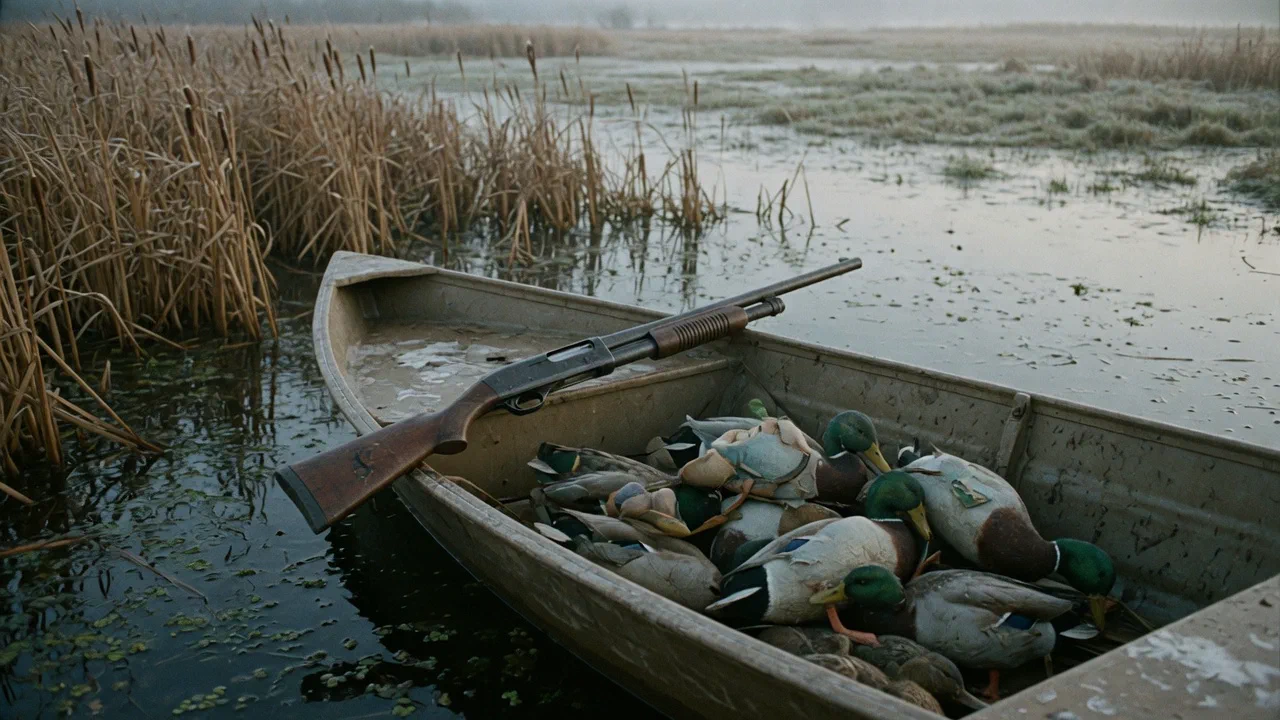 Canada goose seasons include an early September season, the regular season that runs roughly concurrent with duck season, and a late season that may extend into early January. Snow goose and other light goose hunting is available during regular seasons and through a conservation order that can extend into spring.
Youth waterfowl hunting days are held prior to the regular season, providing young hunters with a low-pressure introduction to the sport.
For current zone boundaries and season dates, visit the Wisconsin hunting seasons page.
Regulations Highlights
<strong>Daily limit:</strong> 6 | <strong>Possession limit:</strong> 18 [source] Waterfowl hunting in Wisconsin follows federal regulations for migratory birds plus additional state-specific rules. Daily bag limits for ducks include species-specific restrictions, with reduced limits or closures possible for species such as pintail, canvasback, and black duck depending on current population assessments. Goose bag limits vary by species and season segment.
 Non-toxic shot is required for all waterfowl hunting. Steel, bismuth, tungsten, and other approved non-toxic materials are legal, while lead shot is strictly prohibited. Shotguns must be plugged to hold no more than three shells total.
Hunting hours run from half an hour before sunrise to sunset. Motorized boats may be used for transportation and retrieval but not to drive or rally waterfowl. Baiting is prohibited, and hunters must be able to identify species in flight before shooting.
State wildlife areas and managed wetlands may have additional site-specific rules, including permit requirements, designated hunting zones, and motorized access restrictions. Horicon Marsh National Wildlife Refuge, for example, has managed hunt areas with specific registration procedures.
Review the complete regulatory details on the Wisconsin hunting regulations page.
Licensing and Tags
Wisconsin waterfowl hunters must possess a valid small game hunting license, a state waterfowl stamp, a federal Migratory Bird Hunting and Conservation Stamp (duck stamp), and be registered in the Harvest Information Program (HIP). The federal duck stamp must be signed across its face. All of these are available over the counter with no lottery or draw required. Residents can expect to pay $18.00 for a resident hunting license, while nonresidents should budget for the higher $90.00 nonresident fee.
Youth hunters may have modified fee structures and stamp requirements. Nonresidents can purchase all necessary licenses and stamps at nonresident rates. The state waterfowl stamp supports wetland conservation and habitat programs throughout Wisconsin.
For complete license requirements and purchasing options, see the Wisconsin hunting license guide.
Build Your Plan
Wisconsin’s combination of Mississippi Flyway geography, nationally significant wetlands, and strong public land access makes it a top-tier waterfowl destination. Begin your planning with these resources:
- Waterfowl Hunting Guide – Species identification, decoy tactics, and calling techniques
- Wisconsin Location Hub – Statewide hunting opportunity overview
- Scouting Basics – Locating flight lines, roost water, and feeding fields
- First-Time Hunter Checklist – Preparation essentials for waterfowl season
For reference only. This page summarizes agency publications and is not legal advice or an official source; confirm dates, limits and fees with the state wildlife agency before you hunt. Regulations change mid-season. Send a correction if you spot an error. Disclaimer.