Whitetail hunting is where many hunters get their start. It’s accessible, rewarding, and teaches you how to read the woods. Whether you’re chasing your first deer or trying to tag a mature buck, this guide gives you the biology, strategies, and tools to succeed.
Whitetail Deer Biology
Whitetail deer (Odocoileus virginianus) are among the most adaptable and widely distributed big game species in North America. Mature bucks typically weigh 150–300 lbs (bucks), 90–200 lbs (does), depending on region and nutrition. Males grow new antlers each spring and will shed the hardened set in late winter.1
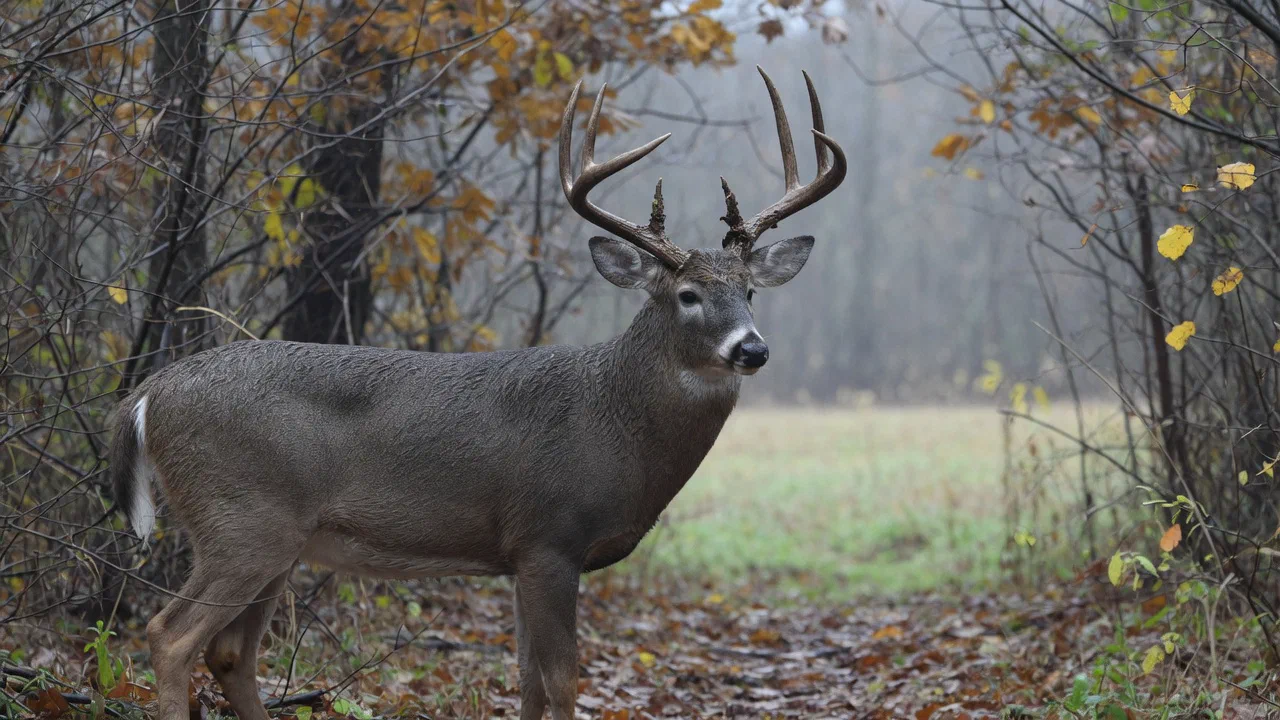
Key Traits
| Feature | Description |
|---|---|
| Size (adult buck) | 150–300 lbs, region-dependent |
| Antler growth cycle | Growth in spring–summer; shedding by early March |
| Diet | Browse, acorns, and field crops |
| Behavior | Most active at dawn and dusk |
Habitat and Behavior
Whitetails prefer edge habitats,areas where woodlands meet fields or young forest growth. These zones offer both food and cover, and the distinctive white underside of their tail is a key communication signal when they detect danger.2
Understanding Deer Movement
Deer move cyclically between three core zones:
- Bedding areas – thick cover for rest
- Feeding areas – fields or mast-producing areas
- Travel corridors – trails connecting bed and feed sites
Your scent matters. Always position yourself facing into the wind or on a crosswind to stay undetected.
Top Whitetail Hunting Tactics
Adapt your approach depending on the season and deer behavior.
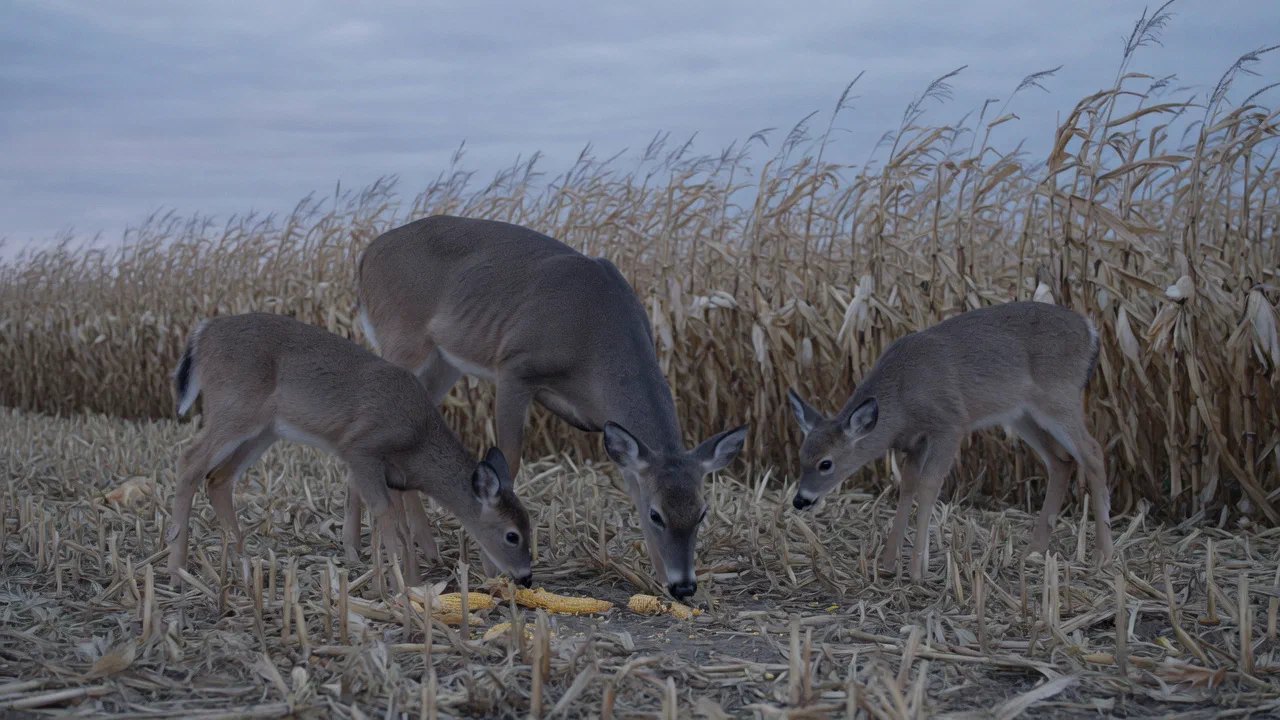
Pre‑Rut (Late Summer to Early Fall)
Antlers harden and velvet is shed by late August or early September. Bucks maintain polished racks into the breeding season.3
Tactics:
- Stand between feeding and bedding zones
- Use still-hunting when pressured
- Begin monitoring rubs and scrapes
Rut (Fall Breeding Season)
Deer are more active and less cautious. Bucks patrol and follow does closely. This boosts chances for strategic calling and rattling to lure them in.
Tactics:
- Hunt travel routes and scrape lines
- Use grunt calls or rattling in strategic bursts
- Scout with trail cameras to identify active zones
First-Time Deer Hunt: Simple Game Plan
If you’re just getting started, follow this basic plan to improve your odds and stay safe.
1. The Day Before
- Check the weather and wind direction
- Choose a stand/blind location based on wind and travel routes
- Pack gear: license, tags, flashlight, knife, snacks, water, map, headlamp
2. Morning of the Hunt
- Dress in layers and avoid scented soap or detergent
- Enter the woods early and quietly
- Mark your parking spot and route on GPS or phone app
3. During the Hunt
- Stay still and alert. deer notice movement fast
- Wait for a broadside or quartering-away shot
- After the shot: stay seated for 15–30 minutes before tracking
Need more help getting started? Check out:
Whitetail Hunting Gear Checklist
| Item | Purpose |
|---|---|
| Rifle or Bow | Legal game weapons,check state rules |
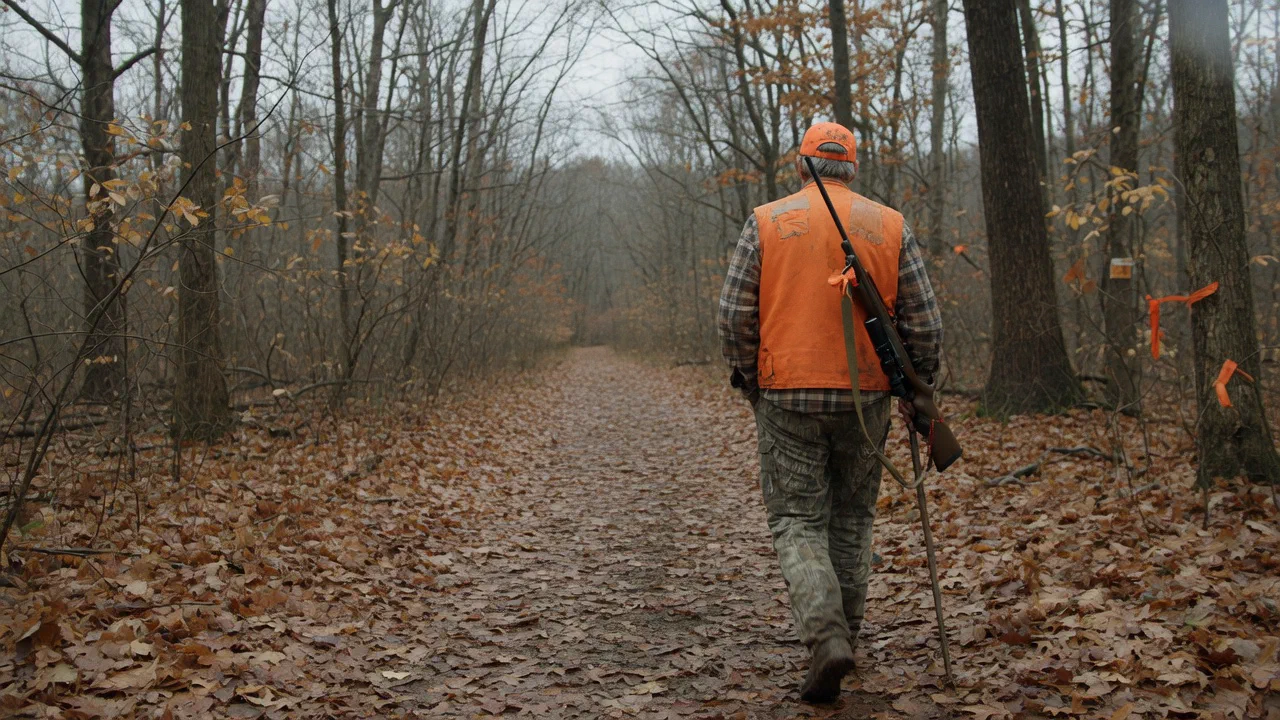
| Blaze Orange Clothing | Mandatory in many states for visibility |
| Treestand or Blind | Concealment,always use a safety harness |
| Game Calls | Grunts, rattling,especially during rut |
| Binoculars | Glassing and spotting deer |
| Field Dressing Kit | Knives, gloves, bags for processing |
| Scent Control | Helps in heavily pressured areas |
For a full gear setup, see our Deer Hunting Rifles Guide
Shot Placement and Ethics
- Aim for broadside or quartering‑away shots
- Avoid long-range, rushed, or obstructed shots
- Track responsibly. mark your hit and blood trail location
- Recover and tag your deer as required
Common Mistakes to Avoid
- Hunting with poor wind awareness
- Entering loudly or too late
- Staying in the same spot for hours with no sign
- Taking low-percentage shots
- Forgetting to tag or check state rules. Review state regulations
Frequently Asked Questions
When is the best time to hunt whitetail?
Most deer move during dawn and dusk. During the rut (usually November), bucks are active all day.
Do I need a treestand to hunt deer?
Not always. Ground blinds work well if you’re careful with wind and movement.
What’s the best caliber or bow draw weight?
Most states require a centerfire rifle or a bow with at least 40 lbs draw. Check your state’s regulations for details.
Is scent control really necessary?
In heavily hunted areas, yes. In remote zones, good wind direction matters more.
Final Tip
Keep it simple. A legal weapon, a safe stand, and basic knowledge of wind and movement go a long way. Scout early, hunt ethically, and enjoy the experience.
Want to learn more? Explore:
For reference only. This page summarizes agency publications and is not legal advice or an official source; confirm dates, limits and fees with the state wildlife agency before you hunt. Regulations change mid-season. Send a correction if you spot an error. Disclaimer.