Colorado is one of the premier deer hunting states in the West, offering hunters the chance to pursue both mule deer and whitetail deer across a stunning variety of terrain. Whitetail bucks in Colorado typically weigh 150–300 lbs (bucks), 90–200 lbs (does) and are found primarily along the eastern plains river corridors. Colorado Parks and Wildlife (CPW) manages deer populations through a unit-based system that spans the Rocky Mountains, high plains, river valleys, national forests, and BLM land. Mule deer are the primary species across most of the state, particularly in the mountainous western regions, while whitetail deer are found in the agricultural bottomlands and river corridors of the eastern plains.
| Season Type | Opens | Closes | Notes |
|---|---|---|---|
| Archery | September 2, 2026 | September 30, 2026 | Statewide archery deer season; deer licenses are valid for mule deer or white-tailed deer unless restricted to white-tailed only. Over-the-counter archery licenses for either-sex white-tailed deer available in listed plains units. |
| Combined Rifle | October 24, 2026 | November 1, 2026 | Second combined rifle season shown. First rifle Oct. 14-18 (select GMUs), third rifle Nov. 7-15, fourth rifle Nov. 18-22. Most white-tailed deer are hunted in eastern plains units during the plains rifle season Oct. 24-Nov. 3. |
| Plains Rifle | October 24, 2026 | November 3, 2026 | Plains rifle deer season in eastern plains GMUs, where white-tailed deer are most common. Over-the-counter rifle licenses for either-sex white-tailed deer available in listed units. |
2026-2027 seasonVerified against Colorado Parks and Wildlife, 2026 Big Game, Turkey, and Small Game and Waterfowl brochures on September 5, 2026.Source: cpw.widen.net/s/5wvx7rggrd/colorado-big-game-hunting-brochur … Confirm dates in the current regulations before you hunt.
The state’s vast public land holdings, including millions of acres of national forest and BLM land, make Colorado an accessible destination for both resident and nonresident deer hunters. The terrain ranges from aspen-covered mountain basins above 9,000 feet to rolling grasslands and irrigated river valleys on the eastern plains, giving hunters diverse experiences depending on where they draw a tag.
Deer hunting in Colorado operates primarily through a limited license draw system, so planning ahead is essential. Always check the current CPW regulations for the game management unit (GMU) where you intend to hunt, as rules vary significantly by unit.
Licensing and Tags
Colorado uses a limited license draw system for most deer tags. Hunters must apply during the spring application period, typically in April, and results are announced in early summer. The draw uses a weighted preference point system, meaning hunters who have applied in previous years without drawing a tag accumulate preference points that increase their chances in future draws. Residents can expect to pay $51.25 for a resident deer license, while nonresidents should budget for the higher $506.92 nonresident deer/fishing combo fee.
Some archery licenses are available as over-the-counter tags for certain units, allowing hunters to purchase a tag without going through the draw. These OTC tags provide a good entry point for nonresidents or hunters who did not draw a tag in the limited draw.
Nonresidents pay higher license fees than residents, and certain high-demand units may take several years of preference points to draw. Hunters who are unsuccessful in the draw can purchase a preference point for that year to build toward a future tag.
For license application details and purchasing information, see the Colorado hunting license guide.
Season Overview
Colorado structures its deer seasons by weapon type across multiple game management units. Archery season typically opens in late August or early September and runs through the end of September. Muzzleloader season generally follows in mid-September through late September in some units, though timing varies. The primary rifle seasons are split into four periods running from mid-October through late November, with different units open during different rifle seasons.
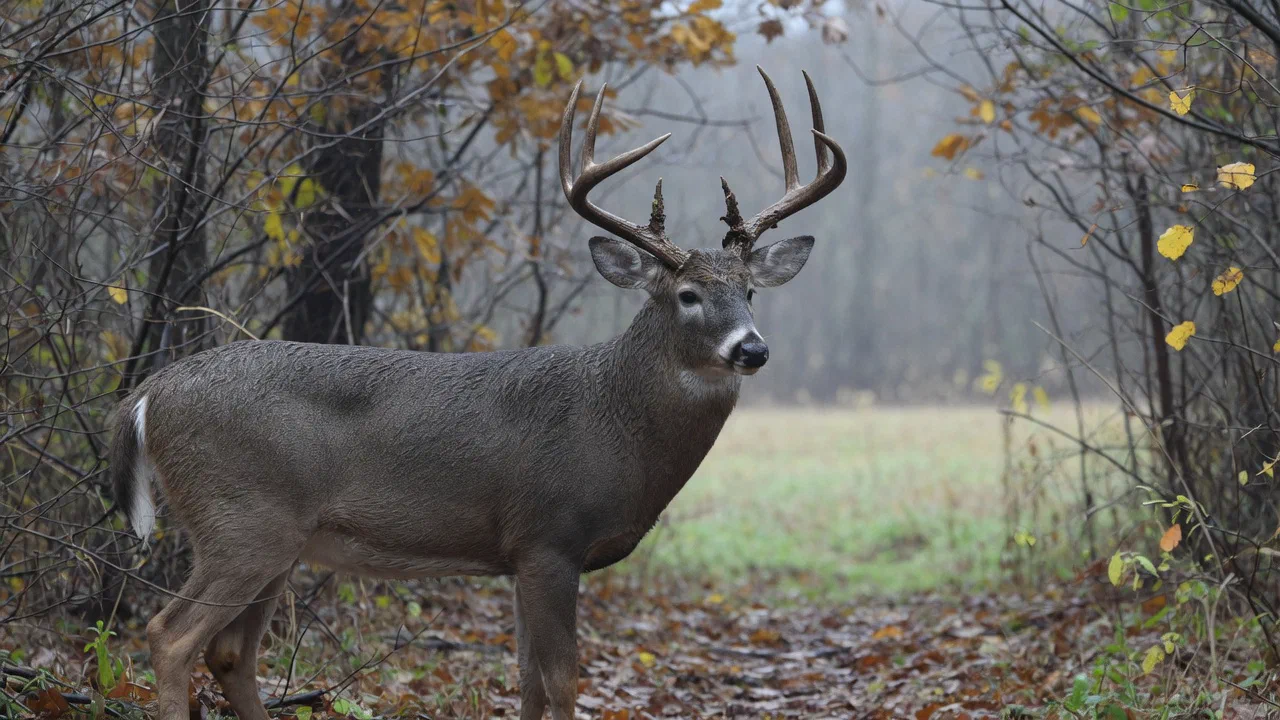 A plains rifle season in eastern GMUs runs from late October into early November, targeting whitetail and mule deer on the plains. Some units also offer over-the-counter (OTC) archery tags, which do not require the draw, giving hunters a more flexible option for public land archery hunting.
For current season dates and unit-specific information, visit the Colorado hunting seasons page.
Regulations Highlights
Colorado deer regulations vary by GMU. Key points to understand include:
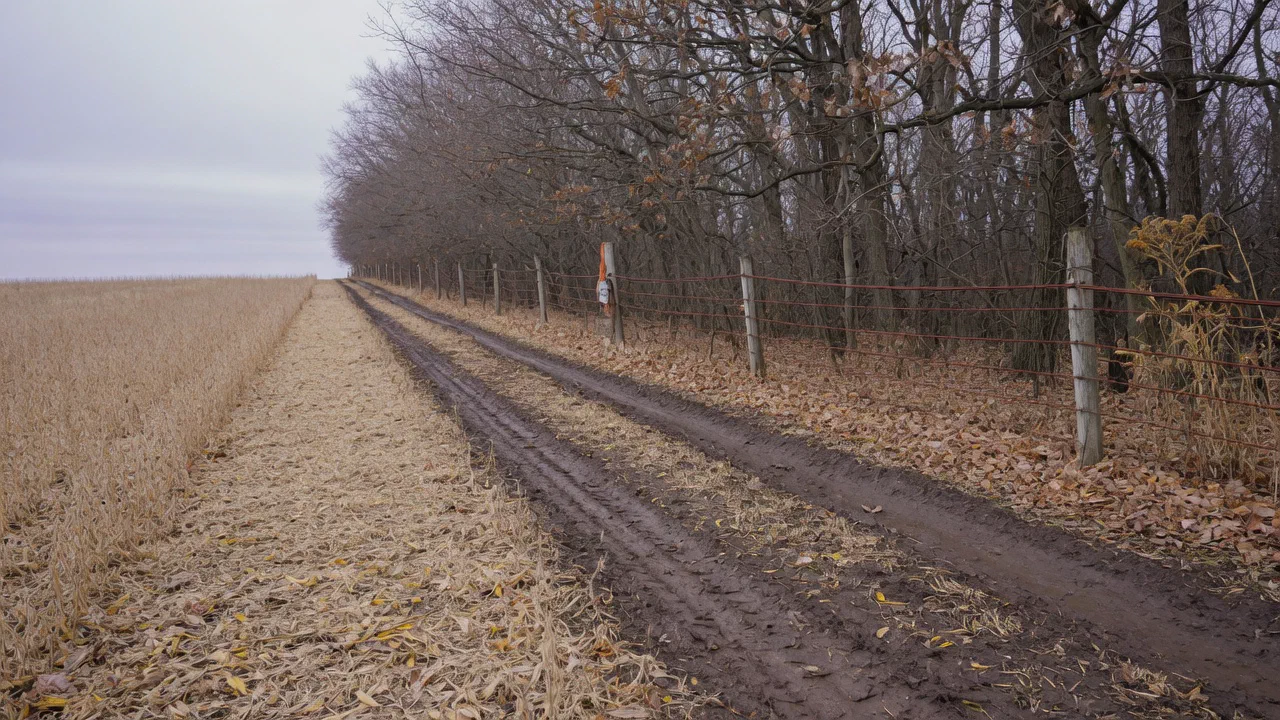 <strong>Season limit:</strong> 1 [source]
- Bag limits: Hunters are allowed one deer per license year in most cases. The license is typically valid for either antlered or antlerless deer depending on what was drawn.
- Antler restrictions: Some units have antler point restrictions or are designated for bucks only or either-sex harvest. Check the specific unit regulations for your tag.
- Legal weapons: Rifles, shotguns, handguns, muzzleloaders, bows, and crossbows are legal during their respective seasons. Minimum caliber requirements apply to rifles and handguns.
- Fluorescent orange: During rifle and muzzleloader seasons, hunters must wear a minimum of 500 square inches of solid fluorescent orange, including a head covering.
- Reporting: Carcass tags must be validated immediately upon harvest. Mandatory harvest reporting is required through CPW’s system.
- CWD testing: Chronic Wasting Disease testing is available and encouraged in many units, with mandatory testing in certain CWD management zones.
Review the complete regulations on the Colorado hunting regulations page.
Where to Hunt
Colorado’s extensive public land makes it one of the best western states for deer hunting access. Top areas include:
- White River National Forest – Located on the Western Slope, this is one of the most popular deer hunting areas in Colorado. Aspen groves, oakbrush hillsides, and high-elevation parks hold strong mule deer populations. GMUs in this area are highly sought after in the draw.
- Uncompahgre National Forest – In southwestern Colorado, this forest offers rugged mountain terrain with good mule deer numbers. Higher-elevation hunts provide opportunities during the rifle seasons when deer migrate to lower slopes.
- Pawnee National Grassland – On the northeastern plains, this area provides whitetail and mule deer hunting in open grassland and agricultural edge habitat. The plains experience is very different from mountain hunting and can produce quality bucks.
- San Juan National Forest – Remote and rugged, the San Juan Mountains offer backcountry mule deer hunting in some of the wildest terrain in the state. Access can be challenging, but hunter densities are low in the more remote drainages.
- BLM lands in the Gunnison Basin – Oakbrush and sagebrush-covered BLM parcels in the Gunnison area are productive mule deer habitat. These areas are accessible and offer good hunting during the rifle seasons.
Colorado also offers Walk-In Access properties on the eastern plains, where private landowners allow public hunting. For more on public land access, visit the Colorado hunting land page.
Tactics and Strategies
Deer hunting tactics in Colorado depend heavily on whether you are pursuing mule deer in the mountains or whitetail on the plains.
 Mule deer in the mountains:
- Spot and stalk is the primary method. Use high vantage points to glass large areas of country at dawn and dusk. Look for deer feeding in aspen parks, oakbrush edges, and mountain meadows. Once a buck is located, plan a stalk using terrain and wind to close the distance.
- Hunt migration corridors during rifle season. As temperatures drop and snow accumulates, mule deer move from high summer range to lower winter range. Positioning along these migration routes during the late October and November rifle seasons can be productive.
- Focus on oakbrush benches and aspen stands. Mule deer in western Colorado rely heavily on oakbrush for browse and cover. Hunting the edges where oakbrush meets open parks is a proven approach.
Whitetail on the eastern plains:
- Hunt river bottoms and creek corridors. Eastern Colorado whitetails concentrate along cottonwood-lined river bottoms and irrigated agricultural fields. Stand hunting over travel routes between bedding cover and crop fields is effective.
- Rut activity in whitetail areas picks up in November. Rattling and calling can work along timbered creek bottoms.
Regardless of species, physical fitness matters in Colorado. Mountain hunts often involve hiking at elevation, and being prepared for altitude and steep terrain is essential for success.
Gear Considerations
Colorado’s terrain and elevation demand thoughtful gear selection. Mountain hunts can involve temperatures ranging from mild fall days to sudden snowstorms, and elevation changes can be significant.
Key gear for Colorado deer hunting includes:
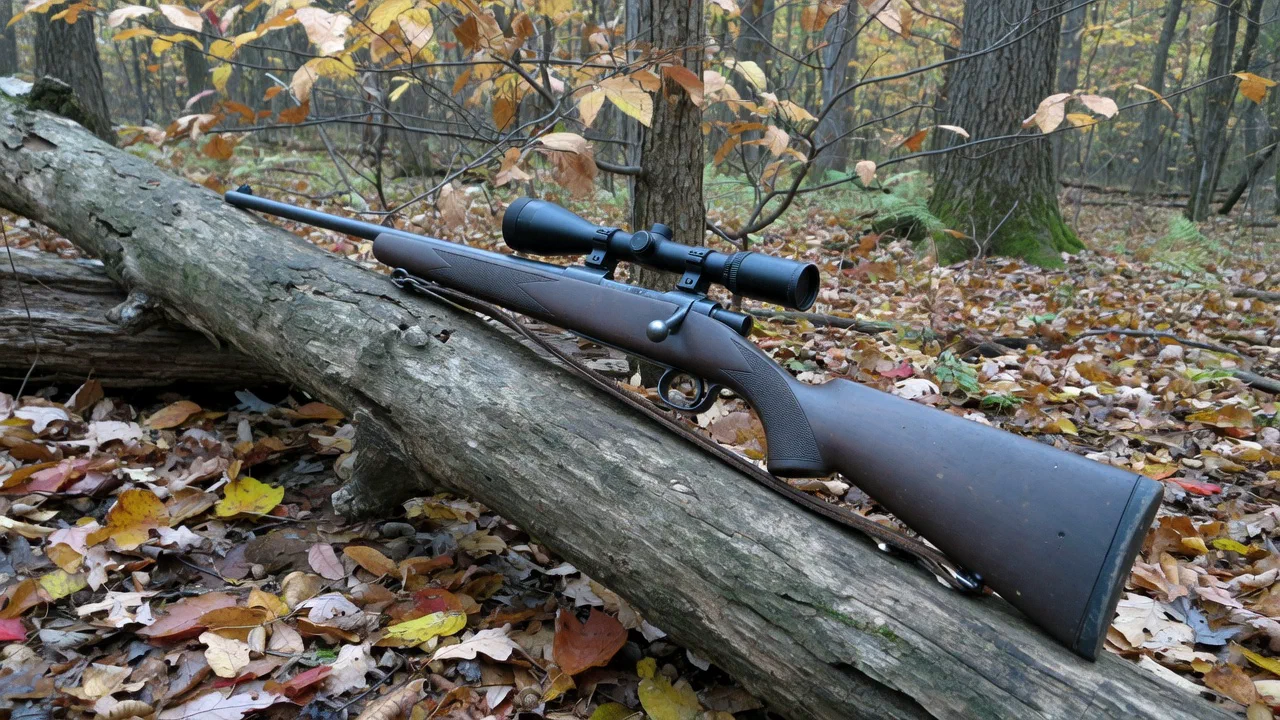
- A flat-shooting rifle in calibers such as 6.5 Creedmoor, .270, .308, or .30-06, with a quality scope suited for shots in the 200- to 400-yard range common in mountain hunting
- A sturdy, supportive pair of hunting boots with ankle support for rocky, uneven mountain terrain
- A layered clothing system with moisture-wicking base layers, insulating mid-layers, and a windproof, water-resistant outer shell
- A quality backpack capable of hauling gear in and meat out, particularly for backcountry hunts
- Binoculars (10x42 or similar) and a spotting scope for glassing at distance
- Required fluorescent orange clothing for rifle and muzzleloader seasons
- GPS device or smartphone with downloaded maps, as many hunting areas are remote with limited cell service
For gear reviews and recommendations, visit the gear hub and the top hunting backpacks guide.
Start Building Points
Colorado deer hunting requires advance planning, particularly around the draw system. Start building preference points early if you are targeting premium units. Use these resources to prepare:
- Whitetail Deer Hunting Guide – biology, behavior, and general strategies for whitetail
- Colorado Location Hub – overview of hunting in the Centennial State
- Scouting Basics – how to read sign and pattern deer
- First-Time Hunter Checklist – essentials for planning your hunt
For reference only. This page summarizes agency publications and is not legal advice or an official source; confirm dates, limits and fees with the state wildlife agency before you hunt. Regulations change mid-season. Send a correction if you spot an error. Disclaimer.