New York is a powerhouse whitetail state that often flies under the radar compared to its Midwestern neighbors. Mature bucks in the state typically weigh 150–300 lbs (bucks), 90–200 lbs (does), with the biggest deer coming from the fertile agricultural regions of the Southern Zone. The state supports a healthy deer population across a remarkably varied landscape, from the wild mountain terrain of the Adirondacks and Catskills to the fertile agricultural lowlands of the Finger Lakes, Hudson Valley, and western New York. The New York State Department of Environmental Conservation (NYSDEC) manages the deer herd through a Wildlife Management Unit (WMU) system that tailors harvest goals to local conditions.
| Season Type | Opens | Closes | Notes |
|---|---|---|---|
| Early Antlerless | September 12, 2026 | September 20, 2026 | Southern Zone early antlerless season in select WMUs (firearms and bows in most; bow-only in WMUs 1C and 3S). Antlerless deer only. |
| Early Bowhunting | October 1, 2026 | November 20, 2026 | Southern Zone early bowhunting season. Bows and crossbows (bowhunting privilege required). Northern Zone early bowhunting runs Sept. 27 - Oct. 23, 2026. |
| Early Bowhunting Northern Zone | September 27, 2026 | October 23, 2026 | Northern Zone early bowhunting season. Bows and crossbows. |
| Youth | October 10, 2026 | October 12, 2026 | Youth firearms deer hunt, Columbus Day weekend, both zones (not in WMUs 1C, 3S, 4J or 8C). Junior hunters ages 12-15 accompanied by a licensed adult. |
| Regular Firearms | November 21, 2026 | December 13, 2026 | Southern Zone regular season. Rifle, shotgun, handgun, muzzleloader, bow, or crossbow per WMU rules. Northern Zone regular season runs Oct. 24 - Dec. 6, 2026. |
| Regular Firearms Northern Zone | October 24, 2026 | December 6, 2026 | Northern Zone regular season. |
| Muzzleloader | December 14, 2026 | December 22, 2026 | Southern Zone late muzzleloading season (not in WMUs 1C, 3S, 4J or 8C); also Dec. 26, 2026 - Jan. 1, 2027. Northern Zone early muzzleloading runs Oct. 17-23, 2026, with a late season Dec. 7-13, 2026 in WMUs 5A, 5G, 5J, 6A, 6C, 6G and 6H only. |
| Muzzleloader Northern Zone | October 17, 2026 | October 23, 2026 | Northern Zone early muzzleloading season. Late muzzleloading Dec. 7-13, 2026 in WMUs 5A, 5G, 5J, 6A, 6C, 6G and 6H only. |
| Late Bowhunting | December 14, 2026 | December 22, 2026 | Southern Zone late bowhunting season, plus Dec. 26, 2026 - Jan. 1, 2027. Northern Zone late bowhunting Dec. 7-13, 2026 in WMUs 5A, 5G, 5J, 6A, 6C, 6G and 6H only. Suffolk County (WMU 1C) bow-only season runs Oct. 1, 2026 - Jan. 31, 2027; Westchester (WMU 3S) Oct. 1 - Dec. 31, 2026. |
| Special Firearms Suffolk | January 3, 2027 | January 31, 2027 | Suffolk County (WMU 1C) January special firearms season; permit required. |
2026-2027 seasonVerified against New York State Department of Environmental Conservation, 2026-27 Hunting & Trapping Regulations Guide on September 5, 2026.Source: dec.ny.gov/things-to-do/hunting/deer-bear/seasons Confirm dates in the current regulations before you hunt.
Hunters near New York City, Albany, or Buffalo all have access to quality deer hunting within reasonable driving distance. The Southern Zone, which covers most of the state south of the Adirondack Park, generally offers the highest deer densities and produces the biggest-bodied bucks. The Northern Zone, encompassing the Adirondack region, provides a wilderness hunting experience with lower deer numbers but abundant public land and far less competition.
Whitetail deer are the only deer species in New York, and they thrive across all regions of the state. New York’s generous season structure and extensive public land base make it an excellent destination for both resident and visiting hunters. Always check current regulations with the NYSDEC, as rules can vary by WMU and season.
Tactics and Strategies
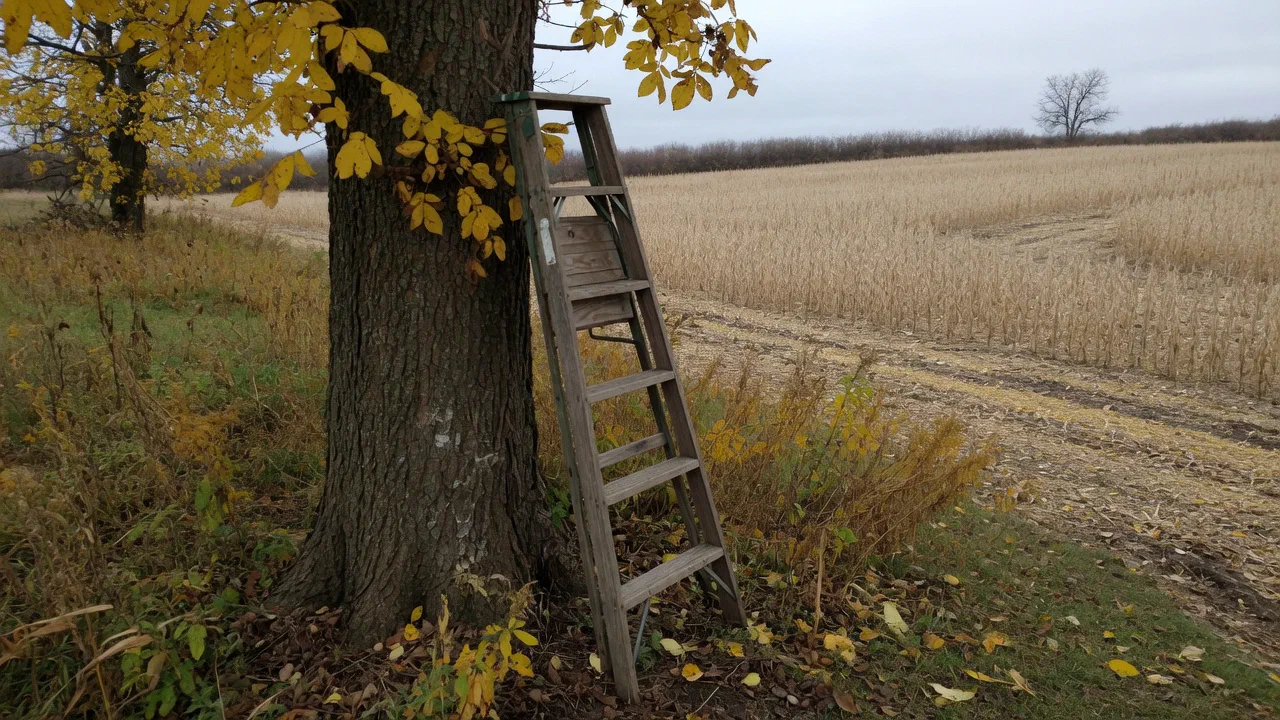
Deer hunting tactics in New York vary by region and terrain. In the agricultural areas of western and central New York and the Hudson Valley, hunting field edges and funnels between woodlots is highly productive. Treestand hunters focusing on travel corridors between bedding and feeding areas account for the majority of the harvest in these areas. Late-season food sources like standing corn, winter wheat, and brassica plots become magnets for deer when cold weather sets in.
 In the Adirondacks and Catskills, terrain dictates tactics. Ridgelines, saddles, and benches in the hardwood forests create natural travel routes that deer use consistently. Still-hunting on fresh snow is a proven Adirondack tactic, and hunters who can read tracks and move quietly through open hardwood timber often find success. Deer in the Northern Zone tend to yard up in softwood cover during harsh winters, and hunting near these thermal areas during cold snaps can be productive.
The rut in New York generally peaks from late October through mid-November, with the best action often occurring in the first two weeks of November. Rattling and calling work well during this window, and setting up near doe bedding areas or along well-used scrape lines can put hunters in the path of cruising bucks.
Season Overview
New York divides its deer seasons between the Northern Zone and Southern Zone, each with different opening and closing dates. In both zones, early archery and crossbow seasons open in late September or early October and extend through the firearms season period. The regular firearms season in the Southern Zone typically runs from mid-November through early December, while the Northern Zone firearms season opens in late October and runs through early December.
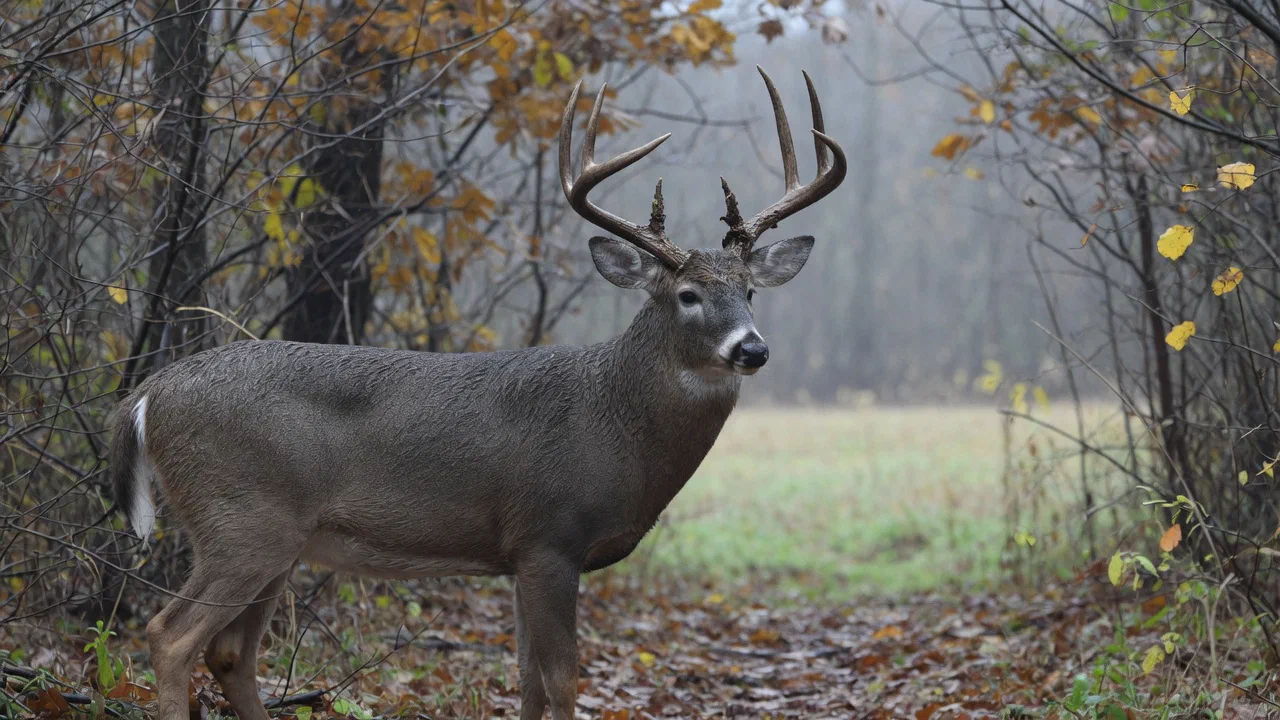 Muzzleloader seasons follow the regular firearms season and vary by zone. A late archery and crossbow season extends through December and runs through January 1 in the Southern Zone (through January 31 in Suffolk County). A Southern Zone early antlerless season in select WMUs opens in mid-September. Youth deer hunts are held before the regular firearms opener in both zones.
Special urban and suburban deer management permits may be available in areas with overabundant deer populations, and some WMUs have extended seasons to address localized management needs.
For current season structures and zone-specific dates, visit the New York hunting seasons page.
Regulations Highlights
New York’s deer regulations are organized by WMU and zone. Antler restrictions vary, with some WMUs implementing Earn-A-Buck provisions or antler point restrictions to improve the age structure of the buck population. In most of the state, any deer with at least one antler three inches or longer is considered an antlered deer.
 Bag limit: No fixed season limit; harvest is limited by tags held. Each hunting license includes one Antlered Deer Tag; bowhunting and muzzleloading privileges each add a Bow/Muzz Antlerless Deer Tag, and Deer Management Permits (up to four applications in 2026) authorize additional antlerless deer. New Earn-a-2nd-Buck program: hunters who harvest and report an antlerless deer receive a second antlered tag. Hunters with unused tags may take more than one deer in a day. Legal implements vary by WMU. [source]
Firearms restrictions vary between the Northern and Southern Zones and among individual WMUs. Some areas restrict firearm type to shotguns or muzzleloaders only. Crossbow use has been expanded in recent years, but hunters should verify that crossbows are legal in their chosen WMU and season.
Bag limit: No fixed season limit; harvest is limited by tags held. Each hunting license includes one Antlered Deer Tag; bowhunting and muzzleloading privileges each add a Bow/Muzz Antlerless Deer Tag, and Deer Management Permits (up to four applications in 2026) authorize additional antlerless deer. New Earn-a-2nd-Buck program: hunters who harvest and report an antlerless deer receive a second antlered tag. Hunters with unused tags may take more than one deer in a day. Legal implements vary by WMU. [source]
Firearms restrictions vary between the Northern and Southern Zones and among individual WMUs. Some areas restrict firearm type to shotguns or muzzleloaders only. Crossbow use has been expanded in recent years, but hunters should verify that crossbows are legal in their chosen WMU and season.
Deer must be tagged immediately upon harvest and reported through the NYSDEC’s HuntFishNY system within the required timeframe. Carcass transport rules may apply in certain areas due to CWD monitoring. Blaze orange or fluorescent pink is recommended but not mandatory during firearms season in most of the state, though many hunters choose to wear it for safety.
Baiting is prohibited in New York. Hunting over bait or placing attractants is illegal.
For complete regulations by WMU and season, visit the New York hunting regulations page.
Where to Hunt
New York offers over five million acres of public land open to hunting, including state forests, Wildlife Management Areas, and the vast Adirondack and Catskill Forest Preserves. Key areas for deer include:
Adirondack Park – At over six million acres (a mix of public and private land), the Adirondack Park provides a wilderness deer hunting experience. Public Forest Preserve lands offer extensive walk-in access. Deer densities are lower than in the Southern Zone, but hunting pressure is light and the solitude is exceptional.
Catskill Park – The Catskill Mountains offer rugged terrain with good deer populations in the valleys and hardwood ridges. State land within the park provides solid access, and the mix of forest types supports healthy herds.
Finger Lakes National Forest – Located between Seneca and Cayuga Lakes, this is the only national forest in New York. The mix of open grassland, hardwood forest, and ravines concentrates deer, and the area is known for producing quality bucks.
Connecticut Hill Wildlife Management Area – Near Ithaca, this 11,600-acre WMA features rolling terrain with mixed hardwoods and is one of the most popular public deer hunting areas in central New York.
Western New York State Forests – State forests in Allegany, Cattaraugus, and Steuben Counties offer large blocks of public hunting land in the fertile agricultural zone of western New York. Deer densities are strong and hunting quality is consistently good.
For more on public land options, see the New York land access guide.
Licensing and Tags
New York hunters need a valid hunting license and must obtain Deer Management Permits (DMPs) for antlerless deer harvest in addition to their regular season tags. The standard hunting license includes a tag for one antlered deer. DMPs are distributed through a preference-based application system, with availability varying by WMU. Some units have high DMP availability while others are more competitive. Residents can expect to pay $22.00 for a resident hunting license, while nonresidents should budget for the higher $100.00 nonresident fee.
Bowhunting and muzzleloading privileges require separate endorsements on the hunting license. Nonresidents can purchase licenses and apply for DMPs, though fee structures are higher. Junior hunters and mentored youth have modified licensing options.
New York also offers a Landowner Deer Management Permit program for qualifying landowners, and special Deer Management Assistance Program (DMAP) permits are available through participating landowners and land managers.
Full licensing details and application information are available in the New York hunting license guide.
Gear Considerations
New York’s deer season extends from early fall through the cold of January, and conditions can range from mild to bitterly cold depending on the time and location. The Adirondacks and Catskills regularly see snow and sub-freezing temperatures during the firearms season, so insulated, waterproof boots and a quality layering system are essential.
Rifle hunters in legal rifle zones should consider a deer hunting rifle in .308, .30-06, or .270 for versatility across the state’s varied terrain. In shotgun-only areas, a quality slug gun with a scope or a sabot-specific barrel is the standard choice. Archery and crossbow hunters should ensure their equipment is tuned for cold-weather accuracy.
Binoculars are valuable for picking apart timber and scanning field edges. A reliable headlamp, sharp field-dressing knife, drag rope or sled, and a small daypack with essentials round out the gear list. Blaze orange is strongly recommended even when not legally required.
Check the gear reviews section for more detailed equipment recommendations.
Build Your Plan
New York offers a rich and varied deer hunting experience across terrain that ranges from mountain wilderness to rolling farmland. Get started with these resources:
- Whitetail Deer Hunting Guide – Biology, behavior, and core hunting strategies
- New York Location Hub – Overview of hunting across the state
- Scouting Basics – Effective pre-season preparation techniques
- First-Time Hunter Checklist – Gear and planning essentials
For reference only. This page summarizes agency publications and is not legal advice or an official source; confirm dates, limits and fees with the state wildlife agency before you hunt. Regulations change mid-season. Send a correction if you spot an error. Disclaimer.