North Carolina provides exceptional whitetail deer hunting across three distinct geographic regions. Mature bucks across the state typically weigh 150–300 lbs (bucks), 90–200 lbs (does), with the Coastal Plain counties producing the highest harvest numbers. The Blue Ridge Mountains in the west offer rugged, backcountry-style hunts. The Piedmont plateau across the central part of the state features a productive mix of farmland and hardwoods. The Coastal Plain in the east – stretching from the Sandhills to the Outer Banks – holds the state’s highest deer densities in thick pocosins, swamp edges, and agricultural corridors.
| Season Type | Opens | Closes | Notes |
|---|---|---|---|
| Archery | September 12, 2026 | October 2, 2026 | Northeastern and Southeastern zones (primary). Central: Sept. 12 - Oct. 30; Northwestern: Sept. 12 - Nov. 6; Western: Sept. 12 - Nov. 13. Either sex on all open archery days. |
| Archery Central | September 12, 2026 | October 30, 2026 | Central zone archery season. |
| Archery Northwestern | September 12, 2026 | November 6, 2026 | Northwestern zone archery season. |
| Archery Western | September 12, 2026 | November 13, 2026 | Western zone archery season. |
| Muzzleloader | October 3, 2026 | October 16, 2026 | Blackpowder season, Northeastern and Southeastern zones (primary). Central: Oct. 31 - Nov. 13; Northwestern: Nov. 7-20; Western: Nov. 14-27. Antlerless deer may be taken on all open days in eastern, central and northwestern zones; limited antlerless days in some western counties. |
| Muzzleloader Central | October 31, 2026 | November 13, 2026 | Central zone blackpowder season. |
| Muzzleloader Northwestern | November 7, 2026 | November 20, 2026 | Northwestern zone blackpowder season. |
| Muzzleloader Western | November 14, 2026 | November 27, 2026 | Western zone blackpowder season; antlerless days limited to Nov. 21-27 in some counties and none in others. |
| General Gun | October 17, 2026 | January 1, 2027 | Gun season, Northeastern and Southeastern zones (primary). Central: Nov. 14 - Jan. 1; Northwestern: Nov. 21 - Jan. 1; Western: Nov. 28 - Jan. 1. Antlerless deer on all open gun days in eastern and central zones; restricted antlerless days in several western counties. |
| General Gun Central | November 14, 2026 | January 1, 2027 | Central zone gun season. |
| General Gun Northwestern | November 21, 2026 | January 1, 2027 | Northwestern zone gun season. |
| General Gun Western | November 28, 2026 | January 1, 2027 | Western zone gun season; antlerless gun days vary by county (e.g., Nov. 28 - Dec. 5 in Buncombe, Henderson and McDowell; none in Graham). |
| Special Early | August 22, 2026 | August 23, 2026 | Special early season in CWD Management Areas (Cumberland, Sampson, Forsyth, Stokes, Surry, Wilkes, Yadkin): antlered deer with any lawful weapon, including on game lands. |
| Youth | September 26, 2026 | September 27, 2026 | Statewide Youth Deer Hunting Days; additional western deer season youth days Nov. 26-27, 2026. Youth under 16 may use any legal weapon for antlered or antlerless deer. |
| Urban | January 9, 2027 | February 14, 2027 | Urban Archery Season, archery only, in participating municipalities. Bonus Antlerless Harvest Report Cards allow two additional antlerless deer per card in these areas. |
2026-2027 seasonVerified against North Carolina Wildlife Resources Commission, 2026-2027 Inland Fishing, Hunting and Trapping Regulations Digest (eRegulations edition linked from ncwildlife.gov) on September 5, 2026.Sources: eregulations.com/northcarolina/hunting/deer-hunting-seasons, eregulations.com/northcarolina/hunting/deer-regulations Confirm dates in the current regulations before you hunt.
The North Carolina Wildlife Resources Commission (NCWRC) manages the state’s deer herd through region-specific seasons and harvest strategies. North Carolina’s deer population is healthy and well-distributed, with the eastern counties generally producing the highest harvest numbers. The state also supports a growing quality deer management culture, and many areas now hold bucks that reach older age classes.
Always check the current regulations issued by the NCWRC before your hunt. Season dates, bag limits, and weapon restrictions can vary by county and by whether you are hunting on public or private land.
Where to Hunt
North Carolina offers over a million acres of public game lands, including state-managed game lands, national forests, and military installations with hunting programs. Top areas for deer include:
- Nantahala National Forest – Located in the western mountains, this vast tract of hardwood-covered ridges and hollows provides true backcountry deer hunting with lower pressure.
- Uwharrie National Forest – In the central Piedmont, Uwharrie’s rolling terrain of mixed hardwoods and pine supports a healthy deer herd and is accessible from both Raleigh and Charlotte.
- Croatan National Forest – On the Coastal Plain near the coast, Croatan features pocosins, swamp edges, and pine flatwoods with strong deer numbers.
- Sandhills Game Land – Located in the southern Piedmont/Sandhills transition zone, this area combines longleaf pine management with good deer habitat.
- Holly Shelter Game Land – One of the largest game lands in the state, located in the southeastern Coastal Plain with excellent deer hunting in thick, swampy cover.
For more public land options and access details, visit the North Carolina land access guide.
Season Overview
North Carolina’s deer season structure gives hunters months of opportunity. Archery season typically opens in mid-September and continues into late season, overlapping with other weapon segments. Blackpowder/muzzleloader season falls between archery and gun season in each zone, from early October in the east to late November in the west. The general firearms season opens in mid-October in the eastern zones and from mid-to-late November elsewhere, running through January 1 statewide.
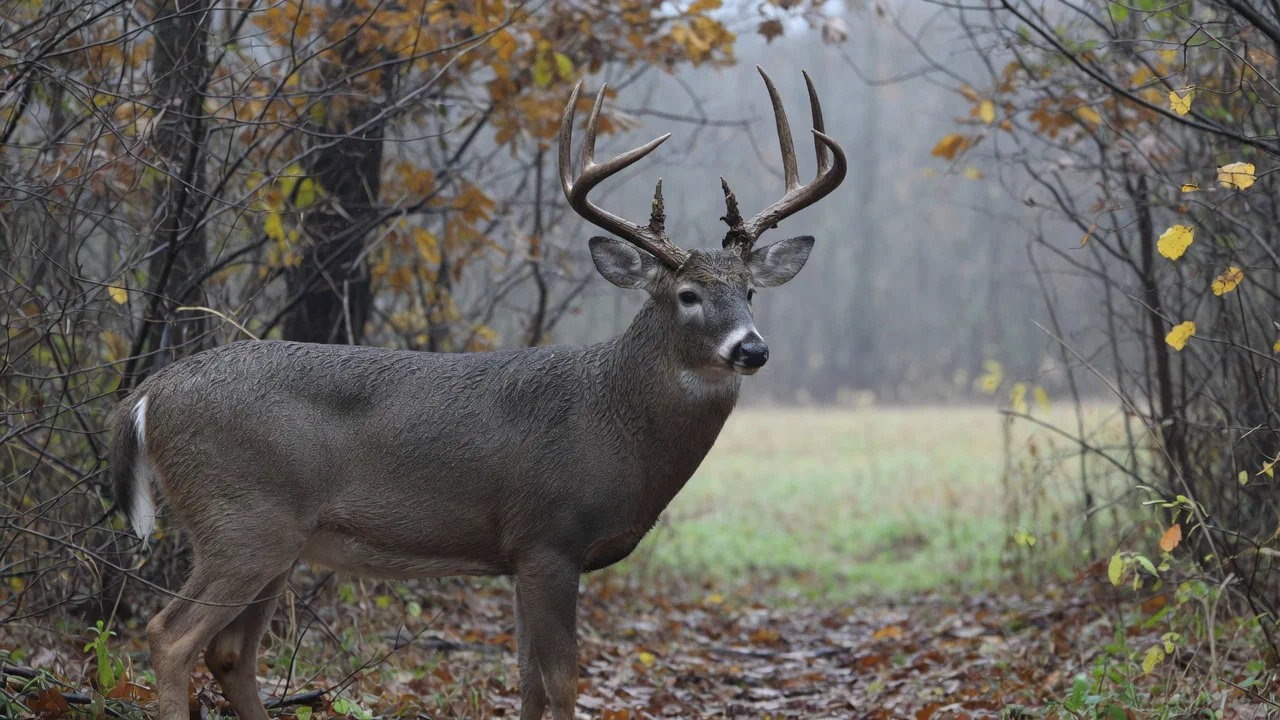 The rut in North Carolina occurs later than in many northern states, generally peaking from late October through November in the mountains and Piedmont, and extending into December or even January along the coast. This later rut timing means firearms season coincides with active buck movement in many areas.
Check the North Carolina hunting season page for current zone-by-zone dates and structures.
Licensing and Tags
North Carolina requires all deer hunters to possess a valid hunting license plus the Big Game Hunting Privilege (included in the Comprehensive Hunting and Sportsman licenses). Nonresidents must purchase a nonresident license. There is no separate deer tag system in North Carolina; instead, hunters must observe county-specific bag limits and report harvests as required. Residents can expect to pay $32.00 for a resident hunting license, while nonresidents should budget for the higher $124.00 nonresident fee.
Bonus antlerless harvest opportunities may be available in certain counties through the NCWRC’s Doe Harvest Report system or other management programs designed to keep herds in balance with available habitat.
Game lands access is included with the standard hunting license. For full licensing details, visit the North Carolina hunting license guide.
Regulations Highlights
North Carolina deer regulations include several county-level and zone-level rules:
 <strong>Season limit:</strong> 6 | <strong>Possession limit:</strong> 6 [source]
- Bag limits vary by county, with separate limits for antlered and antlerless deer. Eastern counties tend to have more liberal limits.
- Antler restrictions do not apply statewide; an antlered deer is any deer with visible antlers, though some game lands set their own rules.
- Weapon-specific rules define what is legal during each season segment. Certain counties are restricted to shotgun, bow, or muzzleloader only during firearms season.
- Blaze orange – a minimum of blaze orange must be worn during firearms seasons on all game lands.
- Sunday hunting has been expanded in recent years but may still carry specific restrictions on public land.
- Baiting rules vary and may differ between public and private land.
For the full set of rules, see the North Carolina hunting regulations page.
Tactics and Strategies
Approach and tactics in North Carolina vary significantly by region.
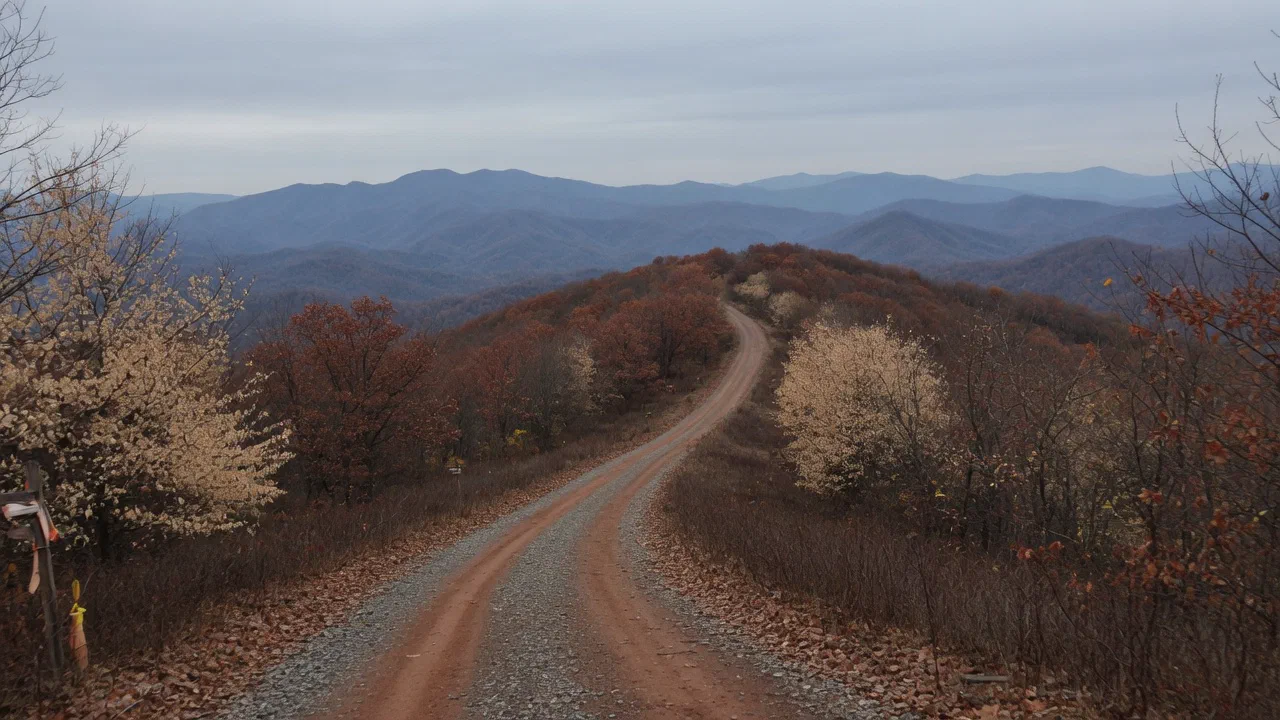
 Blue Ridge Mountains. Mountain deer hunting here mirrors Appalachian hunting elsewhere – steep terrain, lower deer densities, and reliance on finding natural travel corridors. Hunt benches, saddles, and oak-covered ridges. Still-hunting through open hardwood stands in late fall can be effective when leaves are down. Dog hunting is not permitted in the western counties.
Piedmont. The rolling terrain of the Piedmont provides classic stand-hunting opportunities. Set up along creek bottoms, hardwood edges bordering agricultural fields, and oak flats producing mast. The rut is a prime time to hunt travel corridors and funnels between bedding and feeding areas. Rattling and grunt calling work well here during peak breeding activity.
Coastal Plain. The eastern third of the state holds the densest deer populations but also the thickest cover. Hunting pocosins and swamp edges often requires hunting over clearings, food plots, or road edges that deer use to travel between dense blocks of cover. Dog hunting with hounds is a long-standing tradition in many eastern counties and is legal in designated areas. Stand hunters focus on field edges, powerlines, and logging roads.
Understanding the regional rut timing is key. While November is prime time in the mountains and Piedmont, coastal hunters may find peak activity pushing into December.
Gear Considerations
North Carolina’s deer season stretches from warm early-fall days into the cold and damp of winter. Early archery hunters need lightweight, breathable clothing and serious insect protection – ticks and mosquitoes remain active well into October in the Coastal Plain.
As winter sets in, layering is essential. The mountains can see snow and near-zero wind chills, while the coast rarely drops below freezing but can be persistently damp and windy. Waterproof outer layers are valuable across all regions.
Footwear should match your hunting area. Rubber boots are the standard for Coastal Plain swamps and wet game lands. Mountain hunters need supportive hunting boots with aggressive tread for steep, rocky terrain. Piedmont hunters can get away with a versatile all-around boot.
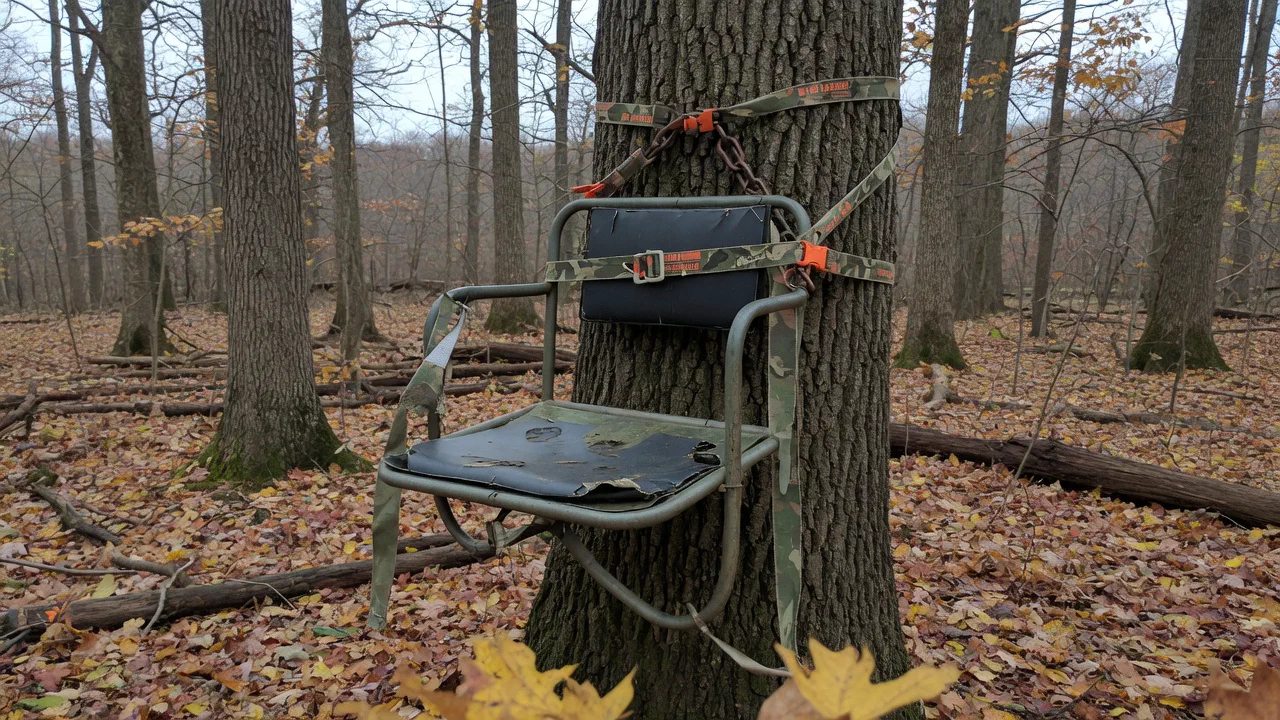
Treestands and climbing stands are used widely across the state. On game lands, any stands left overnight must be portable and clearly labeled. Browse more gear options in the gear section.
Build Your Plan
North Carolina’s three distinct regions give deer hunters the opportunity to pursue whitetails in mountains, rolling farmland, or coastal swamps – all within one state. Start planning with these resources:
- Whitetail Deer Hunting Guide – Biology, behavior, and core hunting strategies
- North Carolina Location Hub – Statewide hunting opportunities
- Scouting Basics – How to read sign and select your setup
- First-Time Hunter Checklist – What to prepare before opening day
For reference only. This page summarizes agency publications and is not legal advice or an official source; confirm dates, limits and fees with the state wildlife agency before you hunt. Regulations change mid-season. Send a correction if you spot an error. Disclaimer.