Tennessee offers outstanding whitetail deer hunting across a landscape that ranges from the Great Smoky Mountains in the east to the fertile bottomlands of West Tennessee along the Mississippi River. Mature bucks typically weigh 150–300 lbs (bucks), 90–200 lbs (does), with the agricultural regions of middle and West Tennessee producing the heaviest deer. The state’s varied terrain – which includes the Cumberland Plateau, the Tennessee River valley, and rolling middle Tennessee farmland – creates diverse hunting opportunities suited to virtually every style and skill level.
| Season Type | Opens | Closes | Notes |
|---|---|---|---|
| Archery | September 26, 2026 | October 30, 2026 | Statewide archery season, first segment Sept. 26 - Oct. 30, 2026; second segment Nov. 2-6, 2026. Archery equipment is also legal during muzzleloader and gun seasons. An archery-only velvet hunt runs Aug. 28-30, 2026 on private lands and select Unit 1 WMAs. |
| August Archery | August 28, 2026 | August 30, 2026 | August archery-only (velvet) hunt, private lands and select Unit 1 WMAs only. Antlered deer only, two (one per day). |
| Youth | October 31, 2026 | November 1, 2026 | Young Sportsman hunts for youths 6-16 (gun, muzzleloader or archery): Oct. 31 - Nov. 1, 2026 and Jan. 9-10, 2027. Must be accompanied by a non-hunting adult 21 or older. |
| Muzzleloader | November 7, 2026 | November 20, 2026 | Muzzleloader/archery season statewide. Single-shot straight-walled cartridge rifles (.35 caliber or larger) are legal on private lands only Nov. 14-20, 2026. |
| General Gun | November 21, 2026 | January 3, 2027 | Gun/muzzleloader/archery season statewide. Antlerless bag limits vary by Deer Management Unit. |
| Firearms | November 21, 2026 | January 3, 2027 | Gun season (same as general gun season); all legal deer weapons allowed. |
2026-2027 seasonVerified against Tennessee Wildlife Resources Agency, 2026-27 Hunting Seasons Summary on September 5, 2026.Source: tn.gov/twra/hunting/tennessee-hunting-seasons-summary.html Confirm dates in the current regulations before you hunt.
The Tennessee Wildlife Resources Agency (TWRA) manages the state’s deer herd, which has grown substantially over the past several decades through careful conservation efforts. Tennessee now supports a healthy, huntable deer population in all 95 counties. The state regularly produces trophy-class bucks, particularly from the agricultural regions of middle and West Tennessee where nutrition and age structure favor antler growth.
Regulations can vary between the state’s deer hunting units, so always confirm the current rules with the TWRA before your hunt. Unit boundaries, season dates, and bag limits may differ from one part of the state to another.
Where to Hunt
Tennessee has an extensive system of WMAs, national forests, and other public lands open to deer hunting. Top destinations include:
- Land Between the Lakes National Recreation Area – Straddling the Tennessee-Kentucky border, this area offers over 170,000 acres of rolling hardwoods and is known for quality bucks and manageable hunting pressure.
- Chuck Swan State Forest and WMA – Located along Norris Lake in East Tennessee, this area features steep ridges and hardwood hollows with good deer populations.
- Catoosa WMA – On the Cumberland Plateau, Catoosa is one of Tennessee’s largest and most productive WMAs, with a mix of forest and reclaimed mining land that supports strong deer numbers.
- AEDC WMA (Arnold Air Force Base) – Located in middle Tennessee, this tightly managed WMA consistently produces quality bucks through controlled hunts.
- West Tennessee bottomlands – Areas such as the Hatchie National Wildlife Refuge and surrounding WMAs along the Mississippi River floodplain hold dense deer populations in thick cover.
For additional public land options, see the Tennessee land access guide.
Season Overview
Tennessee provides a lengthy deer season with multiple weapon-specific segments. Archery season typically opens in late September and runs through October, and archery equipment stays legal through the later seasons into early January, offering bowhunters the longest window of opportunity. Muzzleloader season is generally scheduled in early to mid-November. The general firearms season usually spans from late November through early January.
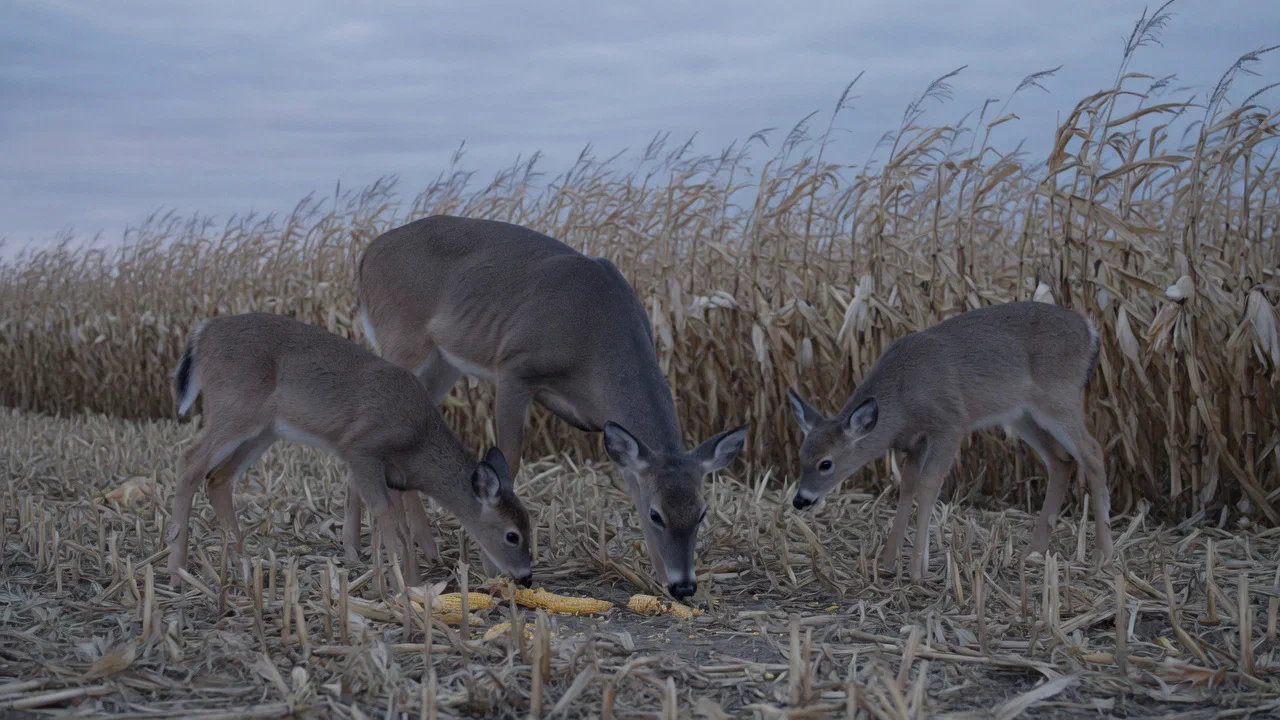 A youth-only weekend is typically held before the general firearms opener, giving young hunters a less pressured experience. The timing of the rut varies across the state but generally peaks in mid to late November, aligning well with firearms season for most of Tennessee.
For exact season structures and unit-specific information, visit the Tennessee hunting season page.
Licensing and Tags
Tennessee requires all deer hunters to have a valid hunting license, a big game license, and either an archery or muzzleloader permit depending on the season being hunted. Nonresidents need a separate nonresident license package. Youth hunters benefit from reduced license requirements. Residents can expect to pay $33.00 for a resident hunting license, while nonresidents should budget for the higher $305.00 nonresident fee.
Antlerless deer tags or bonus doe permits may be available depending on the unit and the TWRA’s population management goals. These supplemental tags allow hunters to take additional antlerless deer in areas where the herd needs thinning.
All harvested deer must be reported through the TWRA’s Harvest Report system. For license details and purchasing information, see the Tennessee hunting license guide.
Regulations Highlights
Tennessee’s deer regulations include several unit-specific rules that hunters should study carefully:
 <strong>Season limit:</strong> 2 [source]
- Bag limits vary by unit, with different allowances for antlered and antlerless deer. Some units have more liberal antlerless limits to manage local herds.
- Antler restrictions do not apply; Tennessee has no point or spread rules, and any deer with an antler three inches or longer counts as antlered.
- Legal hunting hours begin thirty minutes before sunrise and end thirty minutes after sunset.
- Blaze orange is required during gun seasons, with a minimum of 500 square inches of fluorescent orange visible above the waist.
- CWD management zones may carry special regulations including mandatory testing or modified bag limits in affected areas.
- Baiting is prohibited on public land, and restrictions also apply on private land in certain units.
Review all current rules on the Tennessee hunting regulations page.
Tactics and Strategies
The best approach in Tennessee depends on the region and terrain.
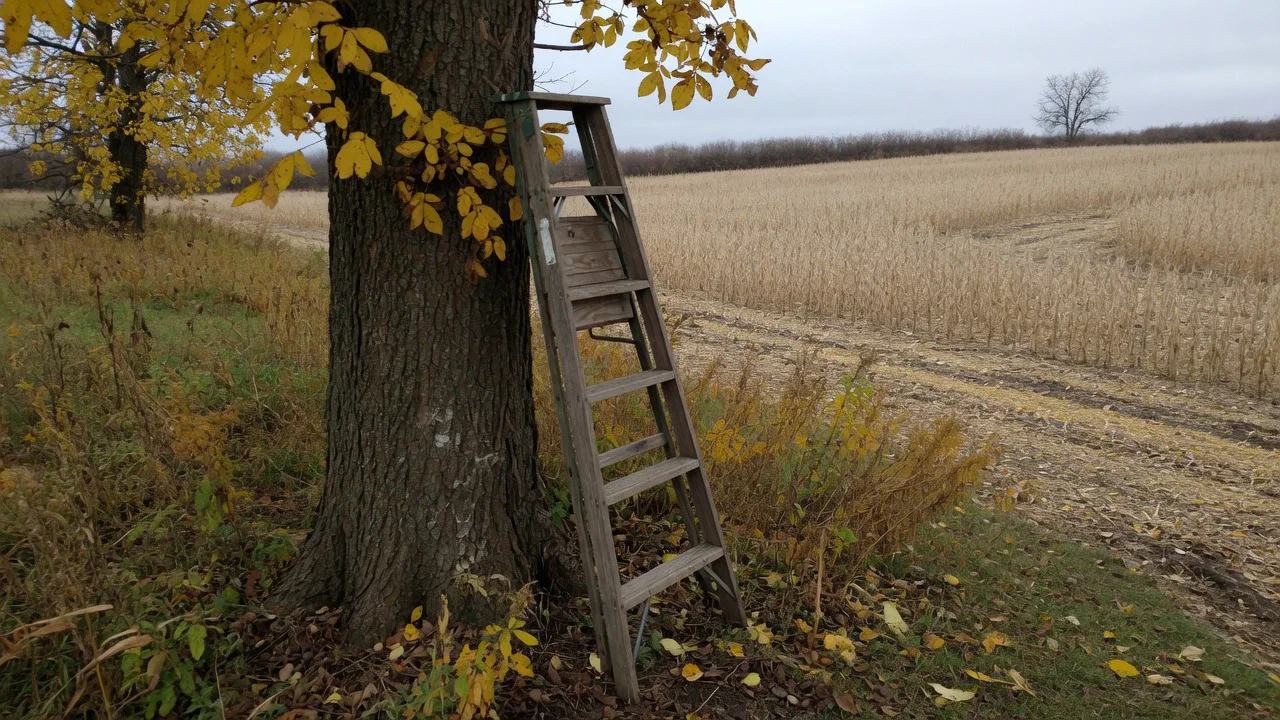 West Tennessee. The flat agricultural bottomlands of West Tennessee produce some of the state’s biggest bucks. Hunting here focuses on hardwood creek bottoms, field edges, and travel corridors between bedding and feeding areas. Stand hunting and food-plot setups are highly effective. During the rut, positioning along pinch points and creek crossings can produce all-day action.
Middle Tennessee. The rolling farmland and cedar glades of the Nashville Basin create classic Midwest-style deer hunting. Edge habitat – where timber meets crop fields – is prime territory. Hunting fence rows, draws, and woodlot edges during the rut is a proven approach.
Cumberland Plateau. The plateau’s mixed hardwood forests and reclaimed mine land offer wilderness-feel hunts. Key tactics include hunting oak ridges during the early season and transitioning to funnels and saddles during the rut. Deer densities can be lower, so finding travel corridors is critical.
East Tennessee and the Smokies. Mountain deer hunting is physically demanding but rewarding. Focus on benches, saddles, and laurel thickets where deer bed. Acorn flats on south-facing slopes are prime feeding areas. Still-hunting can be effective in the steep, open hardwoods of fall.
Gear Considerations
Tennessee’s deer season spans from early fall warmth through the cold of January, so a versatile layering system is essential. Early archery hunters will deal with warm temperatures and heavy foliage, while late-season hunters may face freezing rain, snow, or bitter wind on the Plateau and in the mountains.
For West Tennessee bottomland hunts, waterproof hunting boots are a necessity. Rubber boots help manage scent in flat terrain where deer travel close. Mountain hunters in East Tennessee should prioritize supportive, broken-in boots suited to steep grades.
A portable treestand or climbing stand is standard equipment across most of Tennessee. In thick bottomland cover, lightweight hang-on stands paired with climbing sticks offer access to the best trees. Always use a full-body safety harness.
For firearms season, most Tennessee hunters use centerfire rifles or shotguns with slugs. Archery hunters should ensure broadheads are sharp and practice from elevated positions to simulate treestand shots. Browse additional gear recommendations in the gear section.
Next Steps
Tennessee’s long seasons, healthy deer herd, and diverse terrain offer something for every hunter. Use these resources to prepare:
- Whitetail Deer Hunting Guide – Biology, behavior, and proven tactics
- Tennessee Location Hub – Hunting opportunities across the state
- Scouting Basics – How to read sign and pick your setup
- First-Time Hunter Checklist – Everything you need before opening day
For reference only. This page summarizes agency publications and is not legal advice or an official source; confirm dates, limits and fees with the state wildlife agency before you hunt. Regulations change mid-season. Send a correction if you spot an error. Disclaimer.