Texas is one of the top whitetail deer hunting destinations in the United States. The state holds the largest whitetail population in the country, with mature bucks typically weighing 150–300 lbs (bucks), 90–200 lbs (does) and deer thriving across nearly every region, from the dense Piney Woods of East Texas to the rolling Hill Country, the vast South Texas brush country, and the Gulf Coast prairies. The Texas Parks and Wildlife Department (TPWD) manages deer populations through carefully structured seasons and harvest regulations that vary by county.
| Season Type | Opens | Closes | Notes |
|---|---|---|---|
| Archery | October 3, 2026 | November 6, 2026 | Archery-only, all counties with an open season. Archery Endorsement required. |
| General | November 7, 2026 | January 3, 2027 | North Zone general season. South Zone runs Nov. 7, 2026 - Jan. 17, 2027. County regulations control bag and antler rules. |
| General South Zone | November 7, 2026 | January 17, 2027 | South Zone general season. |
| Youth | October 30, 2026 | November 1, 2026 | Youth-only early weekend, both zones. North Zone also has a late youth season Jan. 4-17, 2027. Licensed hunters 16 or younger. |
| Muzzleloader | January 4, 2027 | January 17, 2027 | Muzzleloader-only season in counties with a muzzleloader season. |
| Special Late | January 4, 2027 | January 17, 2027 | North Zone special late season. South Zone runs Jan. 18-31, 2027. Antlerless and unbranched-antlered deer only. |
| Special Late South Zone | January 18, 2027 | January 31, 2027 | South Zone special late season. Antlerless and unbranched-antlered deer only. |
2026-2027 seasonVerified against Texas Parks and Wildlife Department, 2026-2027 Outdoor Annual on September 5, 2026.Source: tpwd.texas.gov/regulations/outdoor-annual/regs/animals/white … Confirm dates in the current regulations before you hunt.
Whitetail deer are the primary species across most of the state, though mule deer inhabit the Trans-Pecos region of far West Texas. Whether you are hunting from a blind overlooking a South Texas sendero or still-hunting oak ridges in the Hill Country, Texas offers a wide range of deer hunting experiences. The combination of long seasons, generous bag limits, and extensive private and public land options makes the state a premier choice for both resident and nonresident hunters.
Always verify current season dates, bag limits, and legal requirements through the official TPWD regulations before heading afield. Rules can change year to year and often vary by county.
Where to Hunt
Texas is predominantly private land, but the state offers quality public hunting through its public hunting program. Key areas for deer include:
- Sam Houston National Forest – Located in the Piney Woods of East Texas, this national forest offers whitetail hunting in a mix of pine and hardwood timber. Deer densities can be moderate, but hunting pressure is lower than on many private leases.
- Gus Engeling Wildlife Management Area – A top-tier WMA in Navarro County known for quality whitetail management. Draws are required for some hunts.
- Kerr Wildlife Management Area – Situated in the Hill Country, Kerr WMA is well known for its deer management research and offers hunts with good buck quality.
- Chaparral Wildlife Management Area – Located in the South Texas brush country near La Salle County, this WMA produces some of the largest-bodied whitetails on public land in Texas.
- Gene Howe Wildlife Management Area – In the Texas Panhandle, this area offers a different deer hunting experience on mixed grassland and brushy terrain.
Public land hunts in Texas often require an Annual Public Hunting Permit and may involve a drawing for limited entries. Learn more about access options on the Texas hunting land page.
Season Overview
Texas offers one of the longest deer seasons in the nation, giving hunters multiple opportunities across different weapon types. Archery season typically opens in late September or early October, providing bowhunters with warm-weather hunting before the general season begins. The general firearms season usually runs from early November through mid-January, covering the peak of the rut in most parts of the state. A muzzleloader-only season follows in January, and there is also a late youth-only season.
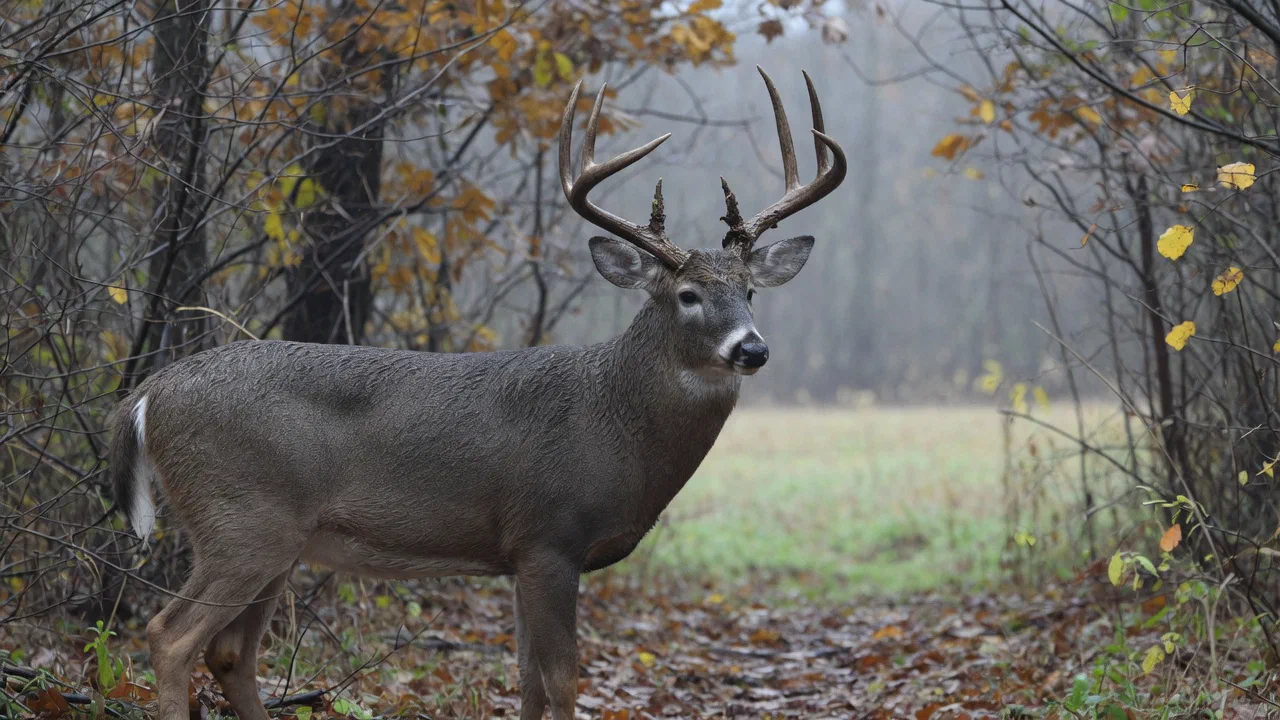 Special seasons such as the early youth-only weekend give younger hunters a head start before the general opener. Season dates and structure can vary by region, so always check the current year’s framework.
For full season details, visit the Texas hunting seasons page.
Licensing and Tags
To hunt deer in Texas, you need a valid Texas hunting license. Residents can purchase a general hunting license, while nonresidents need the nonresident general hunting license (the five-day special license is not valid for deer). In addition, all deer hunters need the appropriate tags. Most licenses include deer tags as part of the package, with separate tags for antlered and antlerless deer. Residents can expect to pay $25.00 for a resident hunting license, while nonresidents should budget for the higher $315.00 nonresident fee.
Antlerless deer permits, including Managed Lands Deer Permits (MLDP) and Landowner Assisted Management Permits (LAMP), are available for properties enrolled in TPWD management programs. Some counties require antlerless permits for doe harvest. There is no draw or lottery system for general whitetail tags in Texas, making it one of the more accessible states for deer hunting.
For a complete breakdown of license types and how to purchase them, see the Texas hunting license guide.
Regulations Highlights
Texas deer hunting regulations vary significantly by county. Key rules to be aware of include:
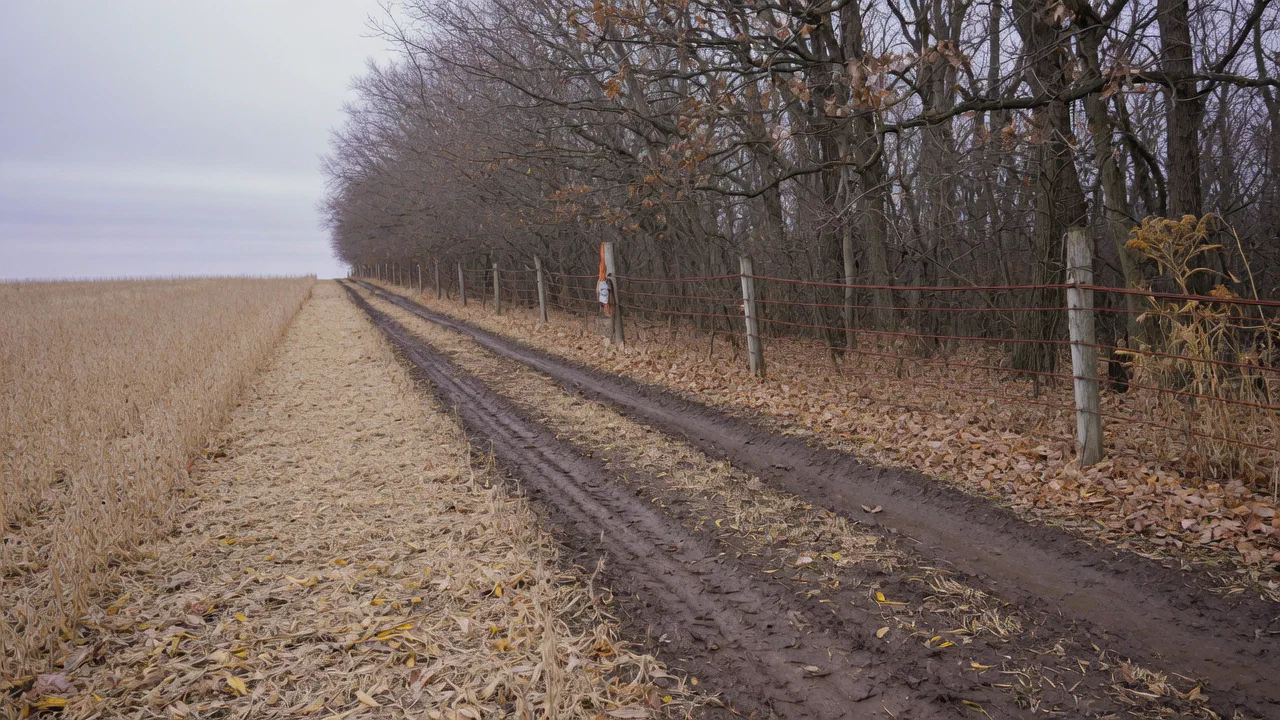 <strong>Season limit:</strong> 5 [source]
- Bag limits: Most counties allow a combined bag of five deer, with no more than two or three bucks depending on the county. Antlerless harvest rules differ by county and often require specific permits.
- Antler restrictions: Many counties have adopted antler restrictions requiring bucks to have a minimum inside spread or a certain number of points. Check the regulations for your specific county.
- Legal weapons: Rifles, shotguns, handguns, muzzleloaders, and archery equipment are all legal during their respective seasons. Crossbows are legal during archery season.
- Tagging and reporting: All harvested deer must be properly tagged immediately. Hunters on certain managed lands may also need to complete harvest logs.
- CWD zones: Chronic Wasting Disease containment and surveillance zones have specific carcass movement restrictions.
Review the full set of rules on the Texas hunting regulations page.
Tactics and Strategies
Deer hunting tactics in Texas vary dramatically by region. In South Texas brush country, hunting from elevated box blinds or tripod stands over senderos (cleared shooting lanes) and feeders is the dominant approach. The dense thorn-scrub habitat makes spot-and-stalk hunting difficult, so patience from a blind is often the most effective method.
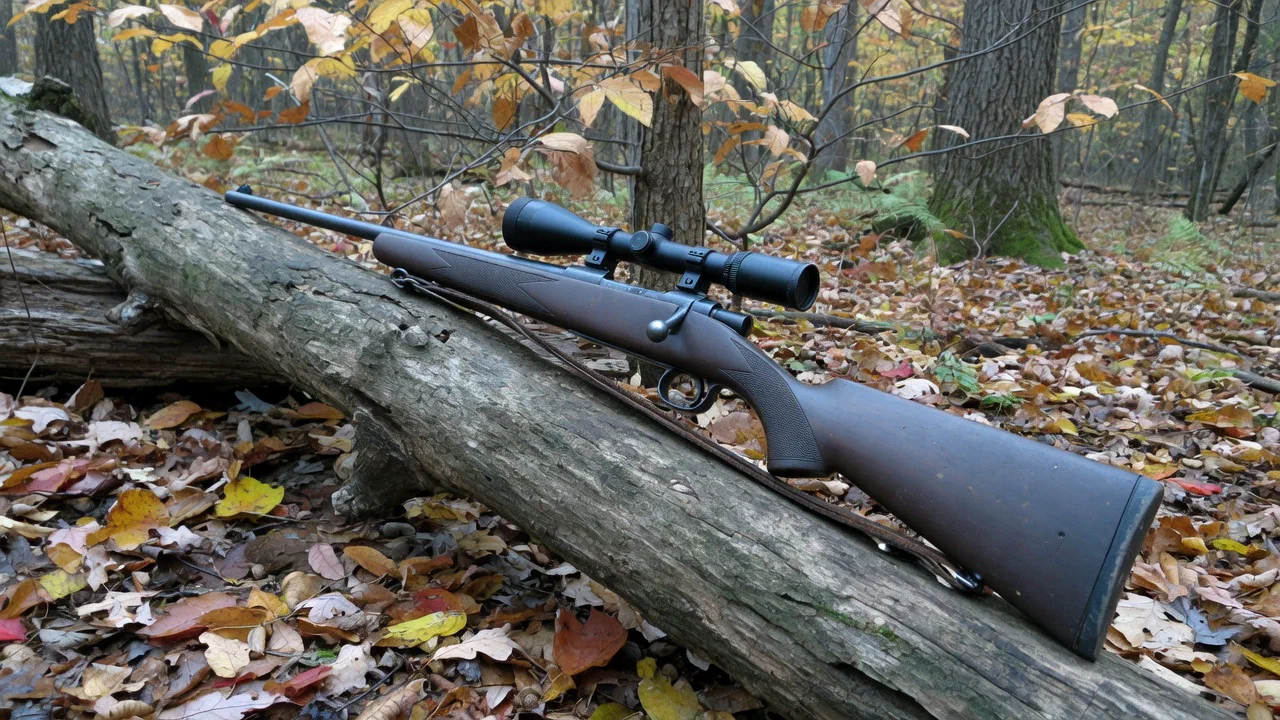 In the Hill Country, hunters work ridgelines, creek bottoms, and oak motts. Stand hunting over food plots or natural food sources such as live oak acorns is popular. During the rut, which typically peaks in November in central Texas, rattling antlers and grunt calls can be highly effective for drawing in mature bucks.
East Texas Piney Woods hunting involves still-hunting through pine plantations and hardwood bottoms, or posting up near creek crossings and food sources. The vegetation is thick, so shots tend to be closer.
Regardless of region, scouting food sources, water, and travel corridors before the season is essential. Trail cameras are widely used across Texas to pattern deer movement.
Gear Considerations
Texas weather is highly variable. Early-season archery hunts can see temperatures well above 90 degrees, while late-season hunts in the Panhandle or Hill Country may bring freezing conditions. Plan your clothing in layers and prioritize moisture-wicking base layers for warm hunts.
Key gear for Texas deer hunting includes:
- A reliable rifle in common calibers such as .308, .30-06, or 6.5 Creedmoor for open-country shots, or a shotgun with slugs for thicker cover
- Comfortable, breathable hunting clothing for warm conditions, with cold-weather layers for late season
- A quality pair of hunting boots suited to the terrain, whether rocky Hill Country ground or muddy East Texas bottomlands
- Binoculars for glassing brush country or Hill Country ridges
- A sharp field-dressing kit and cooler with ice, as warm temperatures demand quick meat care
For detailed gear recommendations, visit the gear hub and the best deer hunting rifles guide.
Build Your Plan
Texas deer hunting rewards preparation. Scout early, know your county’s specific regulations, and have a plan for processing and transporting your harvest. These resources will help you put a hunt together:
- Whitetail Deer Hunting Guide – biology, behavior, and general strategies
- Texas Location Hub – overview of hunting in the Lone Star State
- Scouting Basics – how to read sign and pattern deer
- First-Time Hunter Checklist – everything you need before your first hunt
For reference only. This page summarizes agency publications and is not legal advice or an official source; confirm dates, limits and fees with the state wildlife agency before you hunt. Regulations change mid-season. Send a correction if you spot an error. Disclaimer.