Hunting is equal parts preparation, patience, and respect for the outdoors. Knowing your species, staying compliant with the law, and using the right tools make the difference between a good day outside and a great one.
🦌 Explore more topics in our Hunting Guides Library for detailed how-to articles on scouting, tracking, and field care.
Understand Your Target Species
Each animal moves and feeds differently, and success starts with learning those habits.
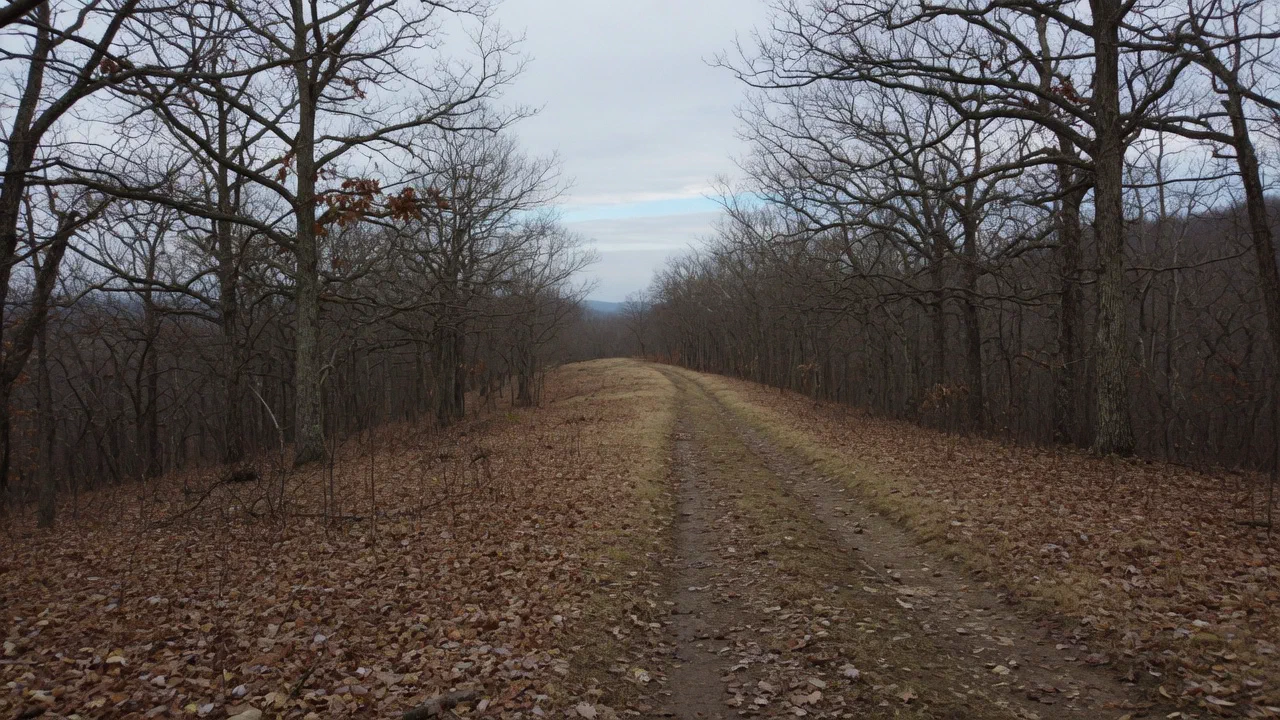 Deer: Most active at dawn and dusk during the rut. Look for rubs, scrapes, and feeding trails near dense cover.
Elk: Feed in open meadows and bed in timber. Focus on food-water-cover transitions. Bugles during the rut help locate bulls.
Waterfowl: Migration patterns depend on weather and flyways. Use realistic decoys and concealment near rest areas.
Note: Hunters aged 16+ pursuing migratory birds must carry a valid Federal Duck Stamp and complete HIP registration12.
Read our detailed species guides:
Scouting and Reading Sign
Pre-season scouting builds confidence and consistency.
- Tracks & Trails: Fresh and well-worn paths indicate active movement.
- Droppings: Moist = recent; dry = older.
- Feeding Sign: Look for grazed areas, acorn shells, or torn bark.
- Water Sources: Wildlife return to dependable water.
- Trail Cameras: Capture timing and travel patterns quietly.
Digital tools like OnX Hunt and Google Earth reveal terrain, land ownership, and access boundaries.
Learn more in our Scouting Techniques Guide.
Gear Essentials for the Field
Always check your state’s approved gear list before the hunt.
| Category | Must-Have Equipment |
|---|---|
| Weapon | State-legal firearm, muzzleloader, or bow |
| Ammo/Arrows | Species-specific, legal load or broadhead |
| Optics | Binoculars, rangefinder, and optional spotting scope |
| Clothing | Quiet layers, moisture control, blaze orange where required |
| Navigation | GPS or app, plus paper map and compass backup |
| Survival Kit | Knife, fire starter, light, snacks, water, and tarp |
| First Aid | Blister care, cuts, medications |
| Game Care | Gloves, game bags, bone saw, zip ties |
Before you buy, see our Guide to Choosing the Right Caliber.
Safety First, Every Time
Preparation is protection. Follow these essentials:
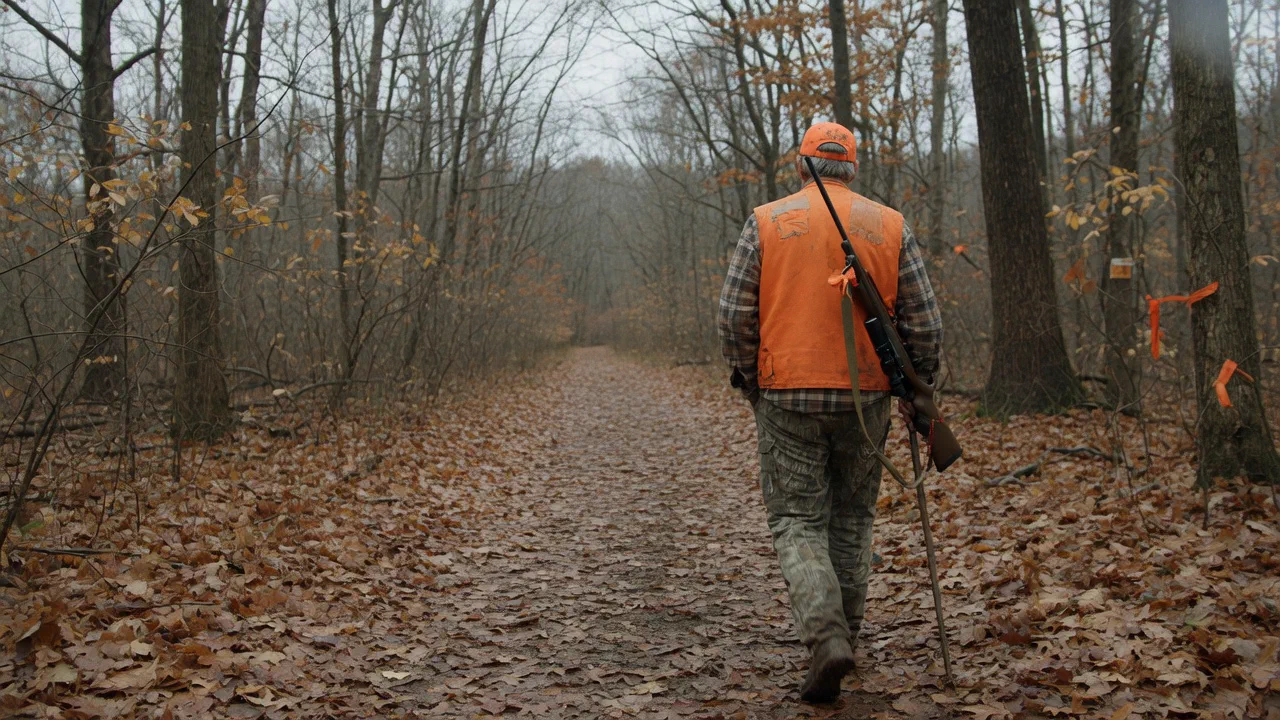
- Hunter Education: Required in most states.
- Firearm Safety: Treat all guns as loaded. Keep muzzle pointed safely, finger off trigger, and always identify your target and beyond.
- Tree Stand Safety: Use a full-body harness; most injuries occur climbing in or out34.
- Weather Awareness: Check forecasts and be ready for rapid changes56.
Before heading out, read our Cold Weather Hunting Guide.
Regulations and Legal Requirements
Every hunter is accountable for knowing current rules:
- Licenses & Tags: State-issued, sometimes federal (Duck Stamp, HIP).
- Season Dates & Limits: Change yearly,verify with your state agency.
- Shooting Hours: Federal regulations apply for migratory birds7.
- Land Access:
Visit your state’s wildlife agency for updated laws, or start with our Hunting License Guide.
Ethical Hunting Principles
Hunting is about stewardship and respect.
- Fair Chase: Never use unfair advantage or prohibited baiting/light.
- High-Percentage Shots: Take clean, ethical shots within your range.
- Quick Recovery: Track immediately and responsibly.
- Landowner Courtesy: Ask permission and respect property.
- Leave No Trace: Pack out everything and protect habitat.
For step-by-step field care, see our How to Field Dress Deer.
Field Care, Reporting, and Meat Safety
After the shot, the real work begins:
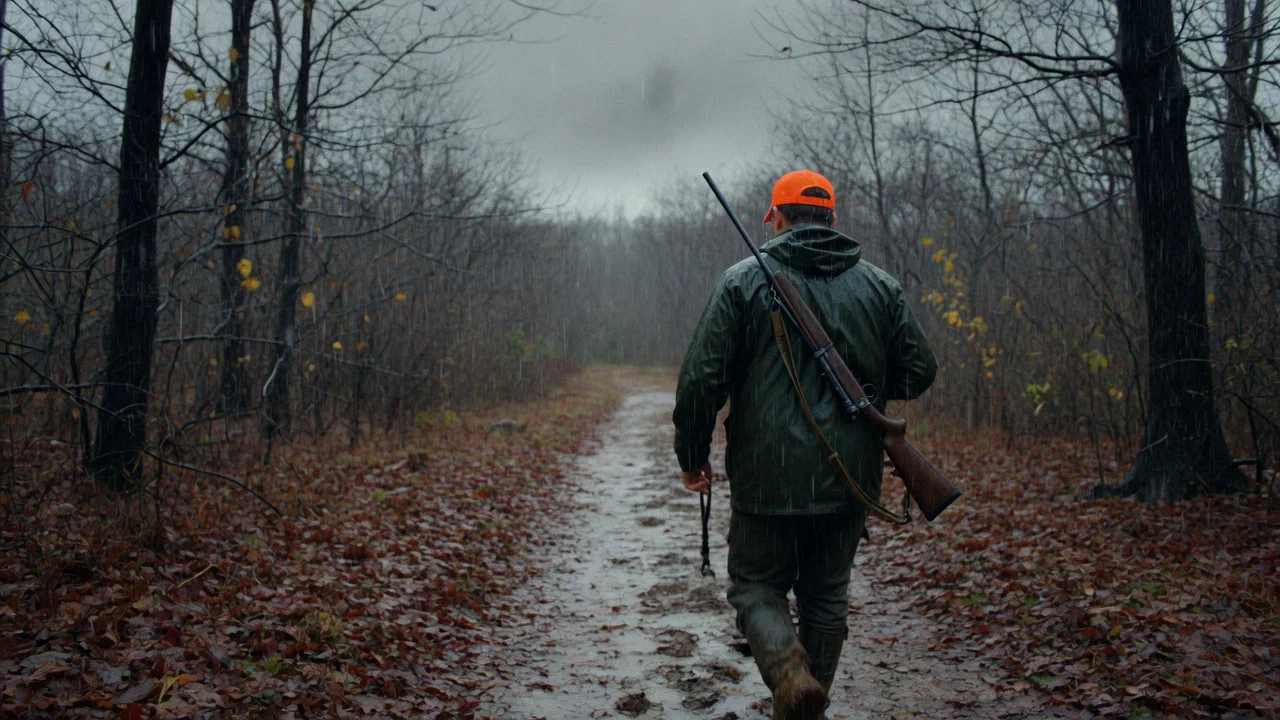
- Field Dress Promptly to cool meat and prevent spoilage.
- Tag & Report according to state law.
- Transport & Cool: Keep in shade, ice when needed.
- Process & Store: Butcher quickly, label and freeze.
Wild Game Food Safety: Cook meat thoroughly,freezing doesn’t always kill parasites111213.
New to this? Use our First-Time Hunter Checklist for a complete prep-to-processing plan.
Best Times to Hunt
Plan your hunts around daylight cycles, pressure, and breeding seasons.
Start with Best Times to Hunt Deer for a seasonal advantage.
Quick Public-Land Overview
Final Thoughts
- Double-check your license and tag requirements before each trip.
- Test your weapon, optics, and safety gear.
- Respect wildlife, private land, and other hunters.
- Use a safety harness whenever off the ground3.
Hunt safe. Hunt smart. Hunt ethically. Find more how-to content in the Hunting Guides Hub.
Explore More on HuntingPrime
- Check out gear reviews and recommendations to find the right equipment for your hunt
- Look up hunting seasons by state for current open dates and season structures
- Review state hunting regulations covering licenses, bag limits, and weapon rules
- Plan where to go with our land access guides for public and private land options
- Study game species guides to learn behavior, tactics, and strategies for each animal
- Browse hunting locations across the US for state and city planning guides
For reference only. This page summarizes agency publications and is not legal advice or an official source; confirm dates, limits and fees with the state wildlife agency before you hunt. Regulations change mid-season. Send a correction if you spot an error. Disclaimer.