Getting a hunting license is the first step for any hunter. It ensures you understand safety, wildlife conservation, and legal requirements. This guide explains how to get your hunting license. We cover key steps and what to expect.
Why You Need a Hunting License
Hunting licenses fund wildlife conservation efforts. The money helps manage game populations, protect habitats, and enforce laws. In many states, over 60% of wildlife agency funding comes from license sales and excise taxes on gear1. Getting licensed helps keep hunting traditions alive.
Hunter Education: The First Step
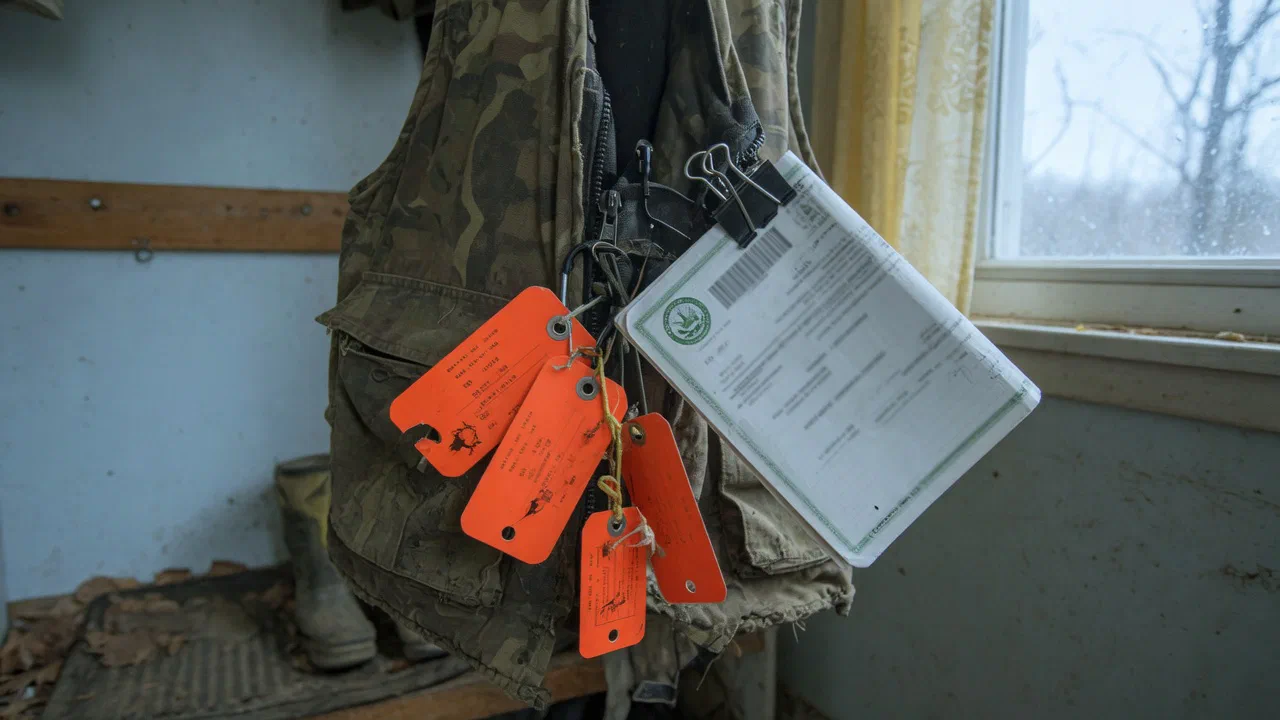
Most states require you to complete a hunter education course before buying a hunting license. These courses teach firearm safety, wildlife ID, fair chase ethics, and how to hunt responsibly.
Who Needs Hunter Education?
Each state sets its own rules. Most require hunter education for anyone born after a certain year.
Examples:
- Texas: Required if born on or after September 2, 19712
- California: Required for all first-time resident hunters, regardless of age3
- New York: Required for all first-time hunters and bowhunters4
Check your local requirements before starting the process.
Course Options
You usually have 3 ways to take hunter education:
- Online course: Complete at home, sometimes followed by an in-person field day
- In-person class: Offered by state agencies or certified instructors
- Home-study or workbook: Some states allow this, usually with a field day
After passing, you’ll get a certificate or number to use when buying a license.
Types of Hunting Licenses
The license you need depends on your state, where you live, and what you hunt.
Resident vs. Non-Resident
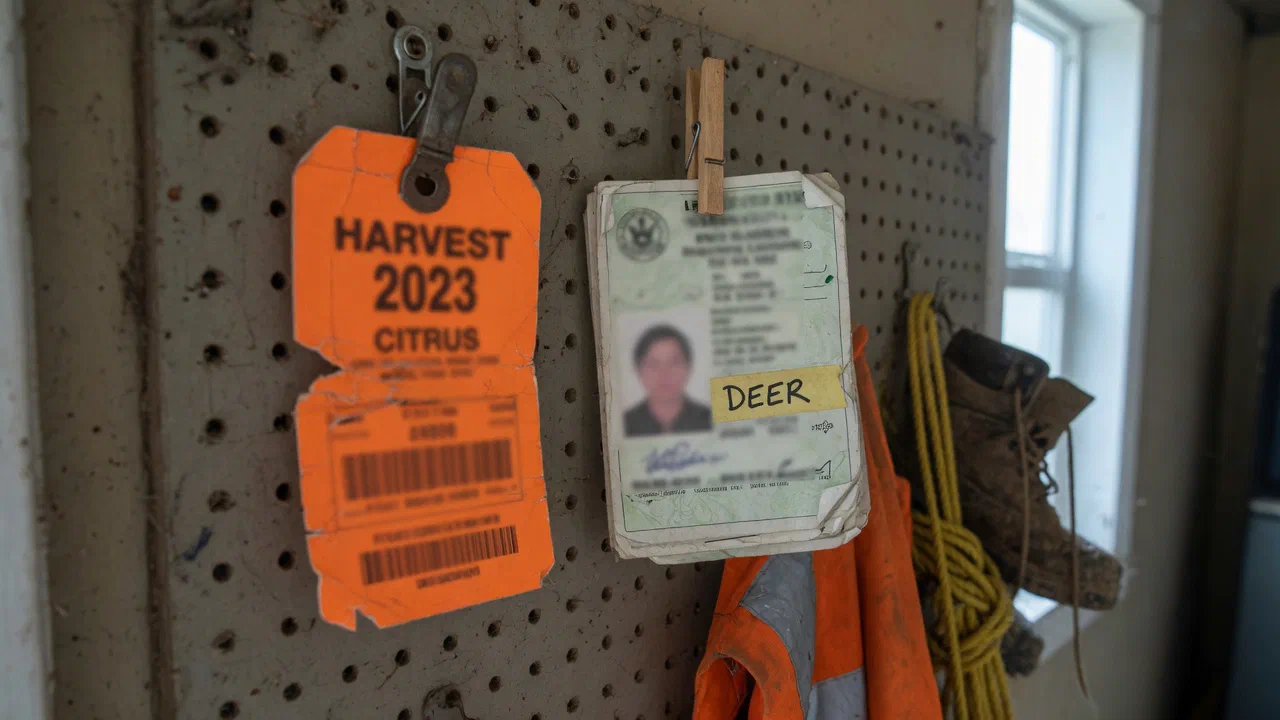
- Resident license: Cheaper, for those who live in the state
- Non-resident license: Costs more, for out-of-state hunters
Each state defines “resident” differently. Most require living there for at least 6 months.
General Hunting License
A general license lets you hunt common game species. This usually includes small game, upland birds, and sometimes deer.
Tags, Stamps, and Permits
Some game animals require extra paperwork. This is especially true for big game and migratory birds.
| Species / Type | Extra Requirement |
|---|---|
| Deer or Elk | Tag required per animal |
| Turkey | Tag or permit usually required |
| Ducks & Geese | Federal Duck Stamp + HIP registration5 |
| Archery or Muzzleloader | Separate endorsement in some states |
| Bear, Moose, or Bighorn | May require draw or lottery application |
Before hunting anything larger than a rabbit, check your state’s tagging rules.
Cost of a Hunting License
License prices vary by state, age, and residency.
| License Type | Typical Price Range |
|---|---|
| Resident General License | $10–$40 |
| Non-Resident General License | $80–$300+ |
| Deer/Big Game Tags | $20–$150+ |
| Duck Stamp (Federal) | $25 (nationwide price) |
| Youth Licenses | Free to $20 |
| Lifetime Licenses | $300–$1,000+ (residents only) |
Some states offer combo licenses for hunting and fishing, or multi-year options at a discount.
How to Buy a License
Once you pass hunter education, here’s how to get licensed:
Online
Visit your state’s wildlife agency website. Most offer full online checkout.In-store
Licenses are sold at sporting goods stores, bait shops, and Walmart in many areas.By phone or mail
Some states let you order by phone or mail, but it may take longer.
You’ll need:
- A valid photo ID
- Your hunter education certificate or number
- Payment (card or cash if in person)
Some states also offer mobile apps where you can store and show your license digitally.
Common Rules to Know
Always read the full regulations before hunting. Rules vary by species, season, and region. Here are key points to watch:
- Season Dates: Each species has set start and end dates. See state-specific season info
- Bag Limits: This is how many animals you can legally harvest per day or season
- Legal Methods: States regulate firearm types, archery equipment, and allowable ammunition
- Private Land: You must get landowner permission to hunt on private property
- Hunter Orange: Many states require blaze orange during firearm seasons
- Game Check or Reporting: You may need to report your harvest online or by phone
Violating these rules can lead to fines, license suspension, or even criminal charges.
Special Considerations
Youth Hunters
States often offer youth licenses at a discount. They may also have special youth-only seasons. Use our first-time hunter guideSeniors and Veterans
Some states offer free or reduced licenses for senior citizens and disabled veterans.Public Land Access
A license lets you hunt public land, but some areas require additional permits. Learn more at /land-access/public-land/Walk-in Programs
States like Kansas and Nebraska offer walk-in hunting areas on private land. These often require a special permit. Explore walk-in access programs
Final Tip
Don’t wait until the season starts to get licensed. Some tags sell out quickly, especially for elk or controlled hunts. Others require applying months in advance.
Once you’re licensed, make sure you also have the right gear, tags, and maps. Check out the best hunting backpacks to keep your essentials organized in the field.
For reference only. This page summarizes agency publications and is not legal advice or an official source; confirm dates, limits and fees with the state wildlife agency before you hunt. Regulations change mid-season. Send a correction if you spot an error. Disclaimer.