Colorado is one of the premier big game hunting destinations in North America. The state’s diverse landscape ranges from high alpine basins above 12,000 feet to rolling grasslands on the eastern plains, and the variety of wildlife reflects that range. Colorado supports robust populations of mule deer, elk, pronghorn, black bear, mountain lion, moose, bighorn sheep, mountain goat, white-tailed deer, and a wide range of small game and waterfowl. Elk hunting in Colorado draws tens of thousands of non-resident applications every year, making it one of the most competitive draw states in the West.
Colorado Parks and Wildlife (CPW) manages all hunting regulations, licensing, wildlife conservation, and public land recreation in the state. CPW administers the draw system that allocates most big game licenses, manages the preference point system, and oversees hunter education programs. Understanding how CPW’s systems work is critical for any hunter planning a Colorado trip, especially for big game.
Whether you are a Colorado resident with decades of experience or an out-of-state hunter applying for your first elk tag, this guide explains every step of the process, from hunter education through purchasing your license and applying for draw tags.
| License/Permit | Residency | Fee | Includes |
|---|---|---|---|
| Resident Annual Small Game License | Resident | $38.49 | small game, qualifying license for big game draw |
| Nonresident Annual Small Game License | Nonresident | $104.86 | small game, qualifying license for big game draw |
| Resident Annual Small Game and Fishing Combo | Resident | $64.02 | small game, fishing |
| Resident Elk License | Resident | $70.40 | elk tag |
| Nonresident Elk/Fishing Combo License | Nonresident | $845.16 | elk tag, fishing |
| Resident Deer License | Resident | $51.25 | deer tag |
| Nonresident Deer/Fishing Combo License | Nonresident | $506.92 | deer tag, fishing |
| Resident Pronghorn License | Resident | $51.25 | pronghorn tag |
| Nonresident Pronghorn/Fishing Combo License | Nonresident | $506.92 | pronghorn tag, fishing |
| Resident Bear License | Resident | $64.01 | bear tag |
| Nonresident Bear/Fishing Combo License | Nonresident | $302.56 | bear tag, fishing |
| Resident Spring Turkey License | Resident | $38.49 | spring turkey tag |
| Nonresident Spring Turkey License | Nonresident | $194.21 | spring turkey tag |
| Resident Moose License | Resident | $385.66 | moose tag |
| Nonresident Moose/Fishing Combo License | Nonresident | $2823.53 | moose tag, fishing |
| Resident Bighorn Sheep or Mountain Goat License | Resident | $385.66 | sheep or goat tag |
| Nonresident Bighorn Sheep or Mountain Goat/Fishing Combo License | Nonresident | $2823.53 | sheep or goat tag, fishing |
| 2026 Habitat Stamp | Any | $12.76 | habitat stamp |
| Resident Big Game Application Processing Fee (Elk) | Resident | $8.93 | draw application, preference point |
| Resident Big Game Application Processing Fee (Deer) | Resident | $8.93 | draw application, preference point |
| Nonresident Big Game Application Processing Fee | Nonresident | $11.49 | draw application |
| Colorado Waterfowl Stamp | Any | $12.76 | state waterfowl stamp |
| Federal Migratory Bird Hunting and Conservation Stamp | Any | $33.00 | federal duck stamp |
Hunter Education Requirements
Colorado requires hunter education for anyone born on or after January 1, 1949. If you were born before that date, you are exempt from the requirement.
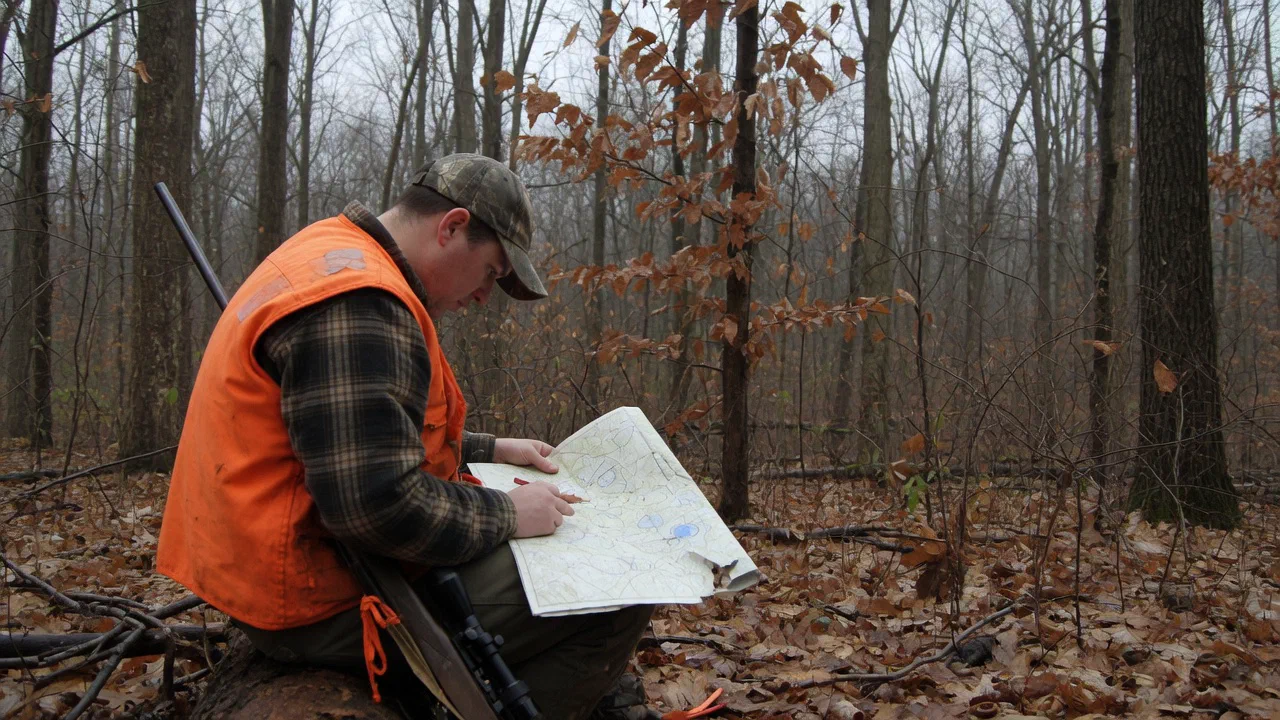
Course Options
CPW offers multiple pathways to complete hunter education:
- Online course with field day: Complete the study material online, then attend a mandatory half-day field session for skills evaluation and a written exam. This is the most popular option for adults.
- Traditional classroom course: A multi-session instructor-led course held at various locations across the state. Includes hands-on training, live-fire exercises at some locations, and a written test.
- Home study with field day: Study the course manual independently and attend a field day for evaluation.
Bowhunter Education
Colorado requires bowhunter education for any hunter who wants to hunt during an archery-only season and was born on or after January 1, 1949. If you plan to bowhunt, complete both hunter education and bowhunter education.
Minimum Age
There is no minimum age to complete hunter education in Colorado. However, youth under 12 must be accompanied by a licensed adult mentor (at least 18 years old) who maintains direct supervision in the field.
Reciprocity
Colorado accepts hunter education certifications from all other U.S. states and Canadian provinces. If you completed hunter education or bowhunter education in another state, your certification is valid in Colorado. Carry proof of completion when you hunt.
Types of Hunting Licenses
Colorado’s licensing system is structured around a base qualification license and species-specific licenses or tags. You need a qualifying license (such as a small game license) to be eligible to apply for big game draw licenses.
| License Type | Who Qualifies | Key Notes |
|---|---|---|
| Resident Small Game | Colorado residents | Covers small game, waterfowl (with stamps), and serves as the qualifying license for big game applications |
| Non-Resident Small Game | Non-residents | Same purpose as resident small game; required to apply for big game draws |
| Resident Youth Small Game | Residents under 18 | Reduced fees |
| Non-Resident Youth Small Game | Non-residents under 18 | Reduced fees compared to adult non-resident |
| Resident Senior Small Game | Residents 64 and older | Reduced fees; includes small game and fishing |
| Combination Small Game/Fishing | Residents and non-residents | Bundles small game hunting and fishing |
| Resident Big Game (Deer, Elk, Pronghorn, Bear, etc.) | Colorado residents | Species-specific; most require a draw application |
| Non-Resident Big Game | Non-residents | Species-specific; draw application required for most |
| Lifetime | Colorado residents | Available in age-based tiers; covers qualifying licenses |
| Military | Active duty with Colorado residency | Eligible for resident pricing |
A resident small game/qualifying license costs $38.49, while non-residents pay $104.86. Elk licenses run $70.40 for residents and $845.16 for non-residents. All hunters must also purchase the Habitat Stamp ($12.76) before heading to the field.
Habitat Stamp
Every Colorado hunting and fishing license holder is required to purchase a Habitat Stamp. This stamp funds habitat conservation and improvement projects across the state. You must have a valid Habitat Stamp before you can hunt or fish in Colorado. The Habitat Stamp is purchased separately and is valid for the calendar year.
Tags, Stamps, and Permits
Big Game Licenses
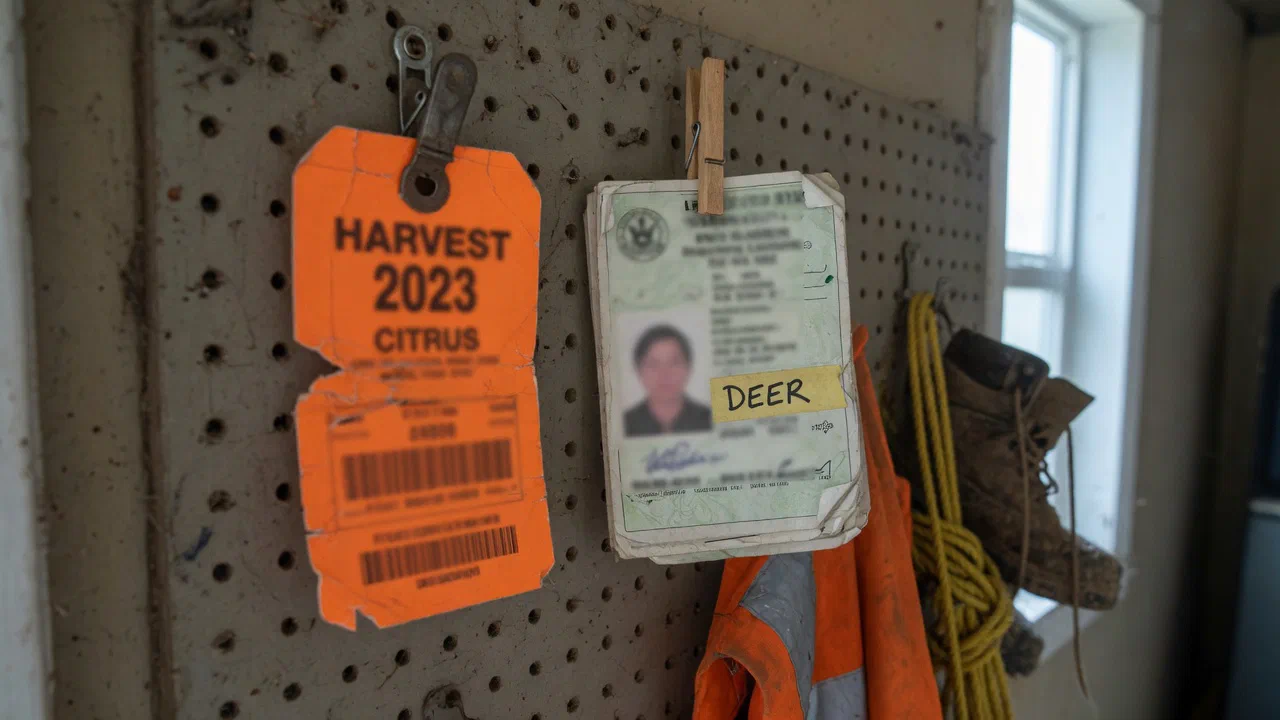 Most big game hunting in Colorado requires a species-specific license obtained through the draw system. This includes:
- Elk: Rifle, archery, and muzzleloader elk licenses are issued through the draw. Some over-the-counter (OTC) elk licenses are available in specific units during specific seasons.
- Mule Deer: All deer licenses are issued through the draw. There are no OTC deer licenses.
- Pronghorn: All pronghorn licenses are issued through the draw.
- Moose: Extremely limited licenses issued through the draw. Wait times can be very long.
- Bighorn Sheep: Very limited licenses. Most hunters accumulate preference points for years before drawing.
- Mountain Goat: Very limited licenses, similar to bighorn sheep.
- Black Bear: Available through the draw and also over the counter for some seasons and units.
- Mountain Lion: Available over the counter until the unit harvest quota is met.
Over-the-Counter Elk Licenses
Colorado offers OTC elk licenses in certain units during certain seasons. These do not require a draw application and are available for purchase as long as they remain in stock. OTC elk licenses are popular with both residents and non-residents who do not want to navigate the draw system. Check CPW’s annual brochure for which units and seasons are OTC.
Migratory Bird Stamps and HIP
- Colorado State Waterfowl Stamp: Required for hunting ducks and geese.
- Federal Duck Stamp: Required for all waterfowl hunters age 16 and older.
- HIP Registration: Required for all migratory bird hunters. Complete this when purchasing your license.
Turkey
Spring turkey licenses are sold over the counter for most units, while limited units are issued through a draw with an early-February application deadline. Leftover licenses may be available after the draw.
How to Buy Your License
Online Through CPW
CPW’s online licensing system is the primary way to purchase licenses, apply for draws, and manage your account.
Steps:
- Visit the CPW website and navigate to the online licensing portal.
- Create an account or log in with your existing CPW customer ID number.
- Provide identification details, including your driver’s license or state ID, date of birth, and Social Security number (SSN is required).
- Purchase your qualifying small game license and Habitat Stamp.
- Apply for big game draw licenses during the application period if applicable.
- Purchase any over-the-counter licenses, stamps, or leftover licenses that are available.
- Print your license or save a digital copy. Colorado allows digital proof of license.
In Person
Licenses are available at CPW offices and authorized retail agents across the state. Many sporting goods stores sell Colorado hunting licenses. Bring a valid photo ID and your hunter education certificate number.
By Phone
CPW accepts license purchases by phone. Call during business hours with your personal information and payment ready.
Application Deadlines and Important Dates
Colorado’s draw system is the most important calendar element for big game hunters. Missing a deadline means waiting another year and potentially losing a preference point opportunity.
- Big game draw application period: Typically opens in early March and closes in early April. This is the window to apply for deer, elk, pronghorn, moose, bighorn sheep, mountain goat, and bear licenses. Exact dates are announced each year by CPW.
- Draw results: Usually posted in late May or early June.
- Leftover license sales: After the draw, unclaimed licenses are made available on a first-come, first-served basis. The leftover list is posted by CPW in early to mid-summer. Leftover licenses can sell out quickly for popular units.
- Preference point purchase deadline: If you do not apply for a draw but want to accumulate a preference point for a future year, you can purchase a preference point during the application period. You cannot apply for a license and also buy a standalone preference point for the same species in the same year.
- Turkey draw: Spring and fall turkey applications have their own deadlines, typically earlier in the year.
- Habitat Stamp: Purchase annually; required before any hunting or fishing activity.
Preference Point System
Colorado uses a weighted preference point system for most big game species. Each year you apply unsuccessfully or purchase a standalone preference point, you accumulate one point for that species. Hunters with more preference points have a higher probability of drawing in future years, but the system is weighted rather than purely sequential. This means that a hunter with zero points can still draw a tag, though the odds improve significantly with more points.
Preference points are species-specific. Elk points do not transfer to deer or pronghorn. Managing your preference points across multiple species requires planning, especially for non-residents targeting high-demand units.
Reciprocity and Out-of-State Hunters
Colorado is one of the most popular states for non-resident hunters, particularly for elk. Non-resident licenses are available for all species, though fees are substantially higher than resident fees.
 CPW allocates a percentage of big game licenses to non-residents in the draw. For most species, non-residents receive roughly 20-35% of the available licenses, depending on the species and unit. Competition for non-resident elk tags in premium units is intense.
Colorado accepts hunter education and bowhunter education certifications from all other states and provinces. Non-residents do not need a guide for most hunts, though guided hunts are widely available and can be helpful for first-time visitors unfamiliar with the terrain.
To qualify as a Colorado resident for licensing purposes, you must have been domiciled in Colorado for at least six consecutive months immediately before purchasing a license. A valid Colorado driver’s license or state ID is typically required as proof.
Special Considerations
Landowner Vouchers
Colorado offers a landowner voucher program that allows qualifying landowners to receive big game licenses without going through the draw. Landowners must own a minimum amount of agricultural land in a qualifying Game Management Unit. These vouchers can be used by the landowner or transferred to another hunter. If you are hunting with an outfitter on private land, the outfitter may have landowner vouchers available.
Youth Hunting
Hunters under 12 must be accompanied by a licensed adult at least 18 years old who maintains direct supervision. Colorado offers reduced license fees for youth hunters. Youth may apply in the big game draw at the same preference point cost as adults.
Disabled Hunter Permits
CPW provides accommodations for hunters with disabilities, including permits to use motorized vehicles in areas normally closed to vehicle access. Contact CPW directly for eligibility and application procedures.
Public Land Access
Colorado has extensive public land, including national forests, BLM land, and state wildlife areas. Access to these lands is free with a valid hunting license and Habitat Stamp, though some state wildlife areas have additional access requirements. Many popular hunting areas are accessible from public roads, but some require significant hiking or horseback travel.
Chronic Wasting Disease (CWD) Testing
CPW requires mandatory CWD testing in certain units. If you harvest a deer or elk in a CWD-mandatory testing unit, you must submit a sample. Check the CPW brochure for current mandatory testing units.
Planning Your Hunt
Once you have your Colorado hunting license and tags, use these resources to plan your season:
- Colorado hunting seasons — Season dates, unit maps, and bag limits for all game species.
- Colorado hunting regulations — Legal methods, mandatory reporting, CWD testing requirements, and unit-specific rules.
- Colorado land access — Public land maps, national forest access, BLM land, and state wildlife areas.
- General hunting guides — Gear checklists, field care tips, and planning guides for all skill levels.
Colorado’s draw system rewards patience and planning. Start accumulating preference points early, study the CPW statistics to choose realistic units, and always have the Habitat Stamp purchased before you head to the field.
Last verified: September 5, 2026 — Official sourceFor reference only. This page summarizes agency publications and is not legal advice or an official source; confirm dates, limits and fees with the state wildlife agency before you hunt. Regulations change mid-season. Send a correction if you spot an error. Disclaimer.