Oregon offers a remarkable range of hunting opportunities across dramatically varied landscapes. From the dense rainforests of the Coast Range to the high desert of the Great Basin, the Cascade Mountains, and the river valleys of the Willamette and Rogue, the state supports diverse populations of elk, mule deer, black-tailed deer, white-tailed deer, pronghorn, black bear, cougar, upland birds, and waterfowl.
The Oregon Department of Fish and Wildlife (ODFW) is the state agency responsible for managing wildlife, issuing hunting licenses, and setting regulations. ODFW divides the state into wildlife management units, each with specific season dates, bag limits, and tag requirements. The agency uses a combination of general season over-the-counter tags and controlled hunt draws to manage harvest across the state.
Getting a hunting license in Oregon involves understanding the difference between general and controlled hunts, knowing which tags you need, and navigating the preference point system if you are pursuing high-demand species. This guide covers each step in detail so you can get licensed and into the field efficiently.1
| License/Permit | Residency | Fee | Includes |
|---|---|---|---|
| Resident Annual Hunting License | Resident | $39.00 | hunting |
| Nonresident Annual Hunting License | Nonresident | $193.00 | hunting |
| Sports Pac | Resident | $253.00 | hunting, angling, shellfish, combined angling harvest tag, upland game bird validation, waterfowl validation, deer tag, elk tag, cougar tag, bear tag, spring or fall turkey tag, Columbia River Basin endorsement |
| Resident Combination Angling and Hunting License | Resident | $86.00 | hunting, angling |
| Youth Combination License (12-17) | Any | $10.00 | hunting, angling, shellfish, Columbia River Basin endorsement |
| Resident Deer Tag | Resident | $33.00 | deer tag |
| Nonresident Deer Tag | Nonresident | $500.00 | deer tag |
| Resident Elk Tag | Resident | $56.00 | elk tag |
| Nonresident Elk Tag | Nonresident | $660.00 | elk tag |
| Black Bear Tag (resident) | Resident | $16.50 | bear tag |
| Black Bear Tag (nonresident) | Nonresident | $16.50 | bear tag |
| Cougar Tag | Any | $16.50 | cougar tag |
| Resident Pronghorn Antelope Tag | Resident | $58.00 | pronghorn tag |
| Nonresident Pronghorn Antelope Tag | Nonresident | $443.00 | pronghorn tag |
| Resident Bighorn Sheep Tag | Resident | $159.00 | bighorn sheep tag |
| Nonresident Bighorn Sheep Tag | Nonresident | $1695.00 | bighorn sheep tag |
| Turkey Tag (resident, spring or fall) | Resident | $26.50 | turkey tag |
| Turkey Tag (nonresident, spring or fall) | Nonresident | $90.00 | turkey tag |
| Upland Game Bird Validation (age 18 and older) | Resident | $11.00 | upland game bird validation |
| Waterfowl Validation (age 18 and older) | Resident | $15.00 | waterfowl validation |
| Nonresident Game Bird Validation (age 18 and older) | Nonresident | $50.00 | upland game bird and waterfowl validation |
| Controlled Hunt Application - Big Game | Any | $10.00 | controlled hunt application |
Hunter Education Requirements
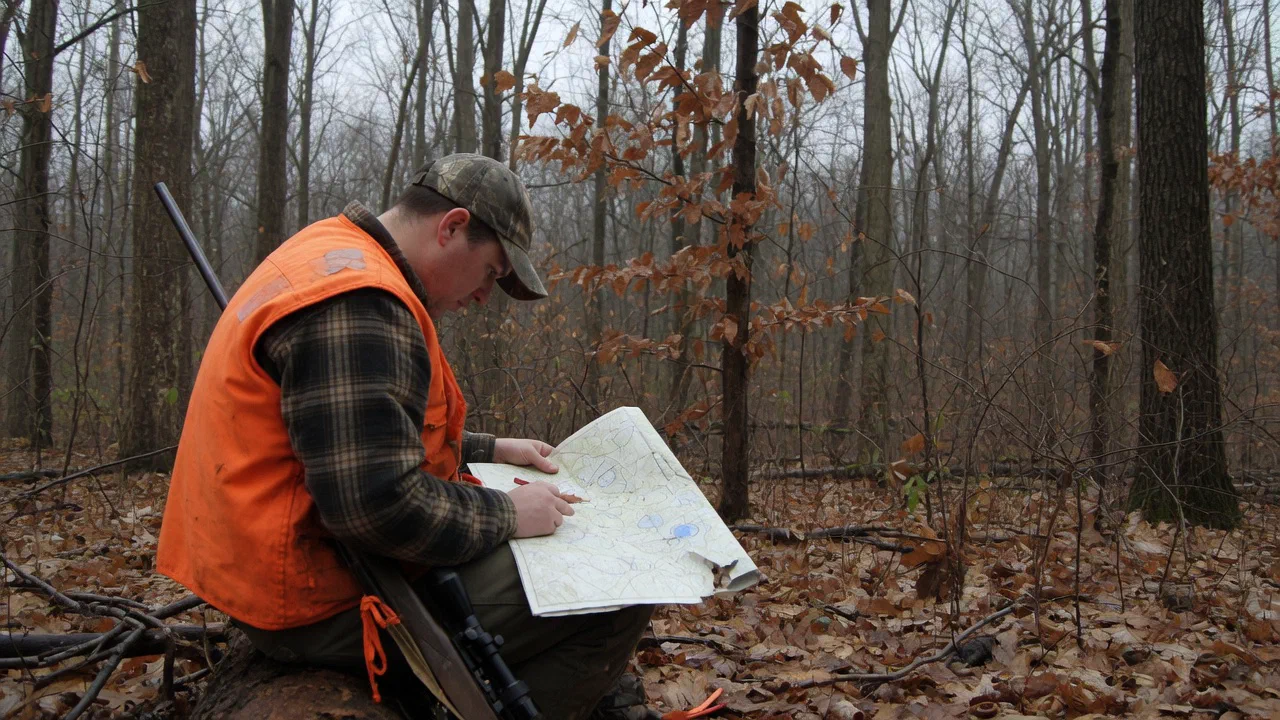
Oregon requires all first-time hunting license buyers to complete a hunter education course. This applies to both residents and non-residents, regardless of age or birth year. If you have never held a hunting license in Oregon or any other state, you must complete hunter education before purchasing a license.
Course Options
Oregon provides several options for completing hunter education:
- Classroom course: Traditional in-person courses taught by ODFW-certified volunteer instructors. Courses run approximately 10 to 15 hours and cover firearm safety, wildlife conservation, ethics, survival skills, and Oregon-specific regulations.
- Online course with field day: Complete the classroom material online at your own pace through an approved provider, then attend a mandatory in-person field day for hands-on firearm safety evaluation and the final exam.
- Online-only course: Oregon allows hunters 17 and older to complete a fully online course through an approved provider. No field day is required for this option, but attending one is recommended.
Minimum Age
Oregon allows hunters as young as 9 years old to complete hunter education and purchase a hunting license. Youth ages 9 to 13 must be accompanied by a licensed adult (21 or older) while hunting. Hunters 14 and older can hunt independently with a valid license.
Exemptions
Oregon does not exempt any first-time hunters from the education requirement. However, if you hold a valid hunting license or hunter education certificate from another state or province, Oregon will accept it. Provide your certificate number or previous license information when purchasing your Oregon license.
Types of Hunting Licenses
Oregon uses a license-plus-tag structure. You must first purchase a base hunting license, then add tags for the specific species you want to hunt. Residency requires living in Oregon for at least 6 consecutive months.
| License Type | Who Qualifies | Key Notes |
|---|---|---|
| Resident Hunting License | Oregon residents | Base license required before purchasing tags |
| Non-Resident Hunting License | Out-of-state hunters | Base license for non-residents at a higher cost |
| Youth Combination License | Residents and non-residents ages 12-17 | Hunting, angling, and shellfish for $10.00 |
| Senior License | Residents 65 and older | Discounted license for senior hunters |
| Disabled Veteran License | Qualifying Oregon veterans | Reduced-cost license for veterans with service-connected disabilities |
| Pioneer License | Residents 70 and older | Free or reduced-cost license for long-time Oregon residents |
| Sports Pac | Oregon residents only | Comprehensive package including multiple tags and validations at a bundled price |
| Combination License | Residents and non-residents | Combined hunting and angling license |
A resident hunting license costs $39.00, while non-residents pay $193.00. Resident deer tags are $33.00 and elk tags are $56.00. The Resident Sports Pac ($253.00) is worth evaluating if you plan to hunt multiple species, as it bundles several tags and the upland bird and waterfowl validations together.
Tags, Stamps, and Permits
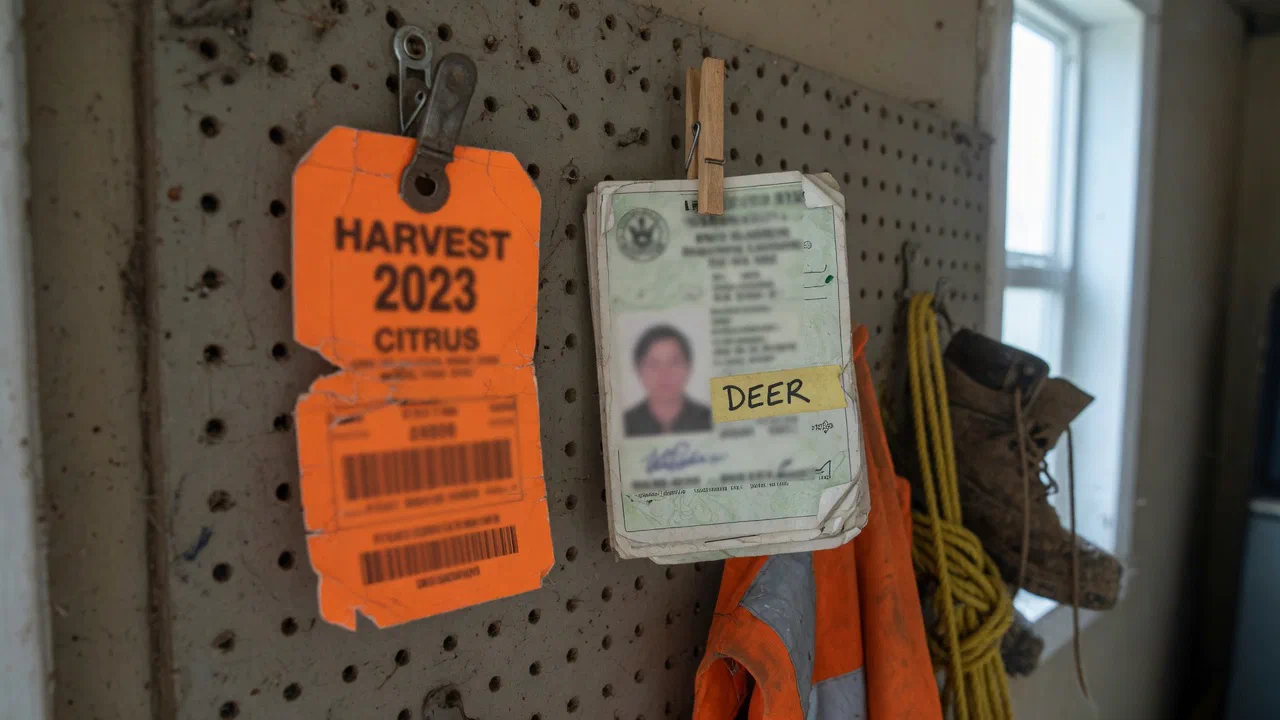
After purchasing your base license, you need species-specific tags. Oregon’s tagging system includes both over-the-counter general season tags and controlled hunt tags distributed through the draw.
General Season Tags (Over the Counter)
- Deer tag: Available OTC for some general season units, particularly in western Oregon for black-tailed deer.
- Elk tag: Available OTC for certain general season units, including some Coast Range and Cascade units.
- Bear tag: Available OTC statewide for the fall season; spring bear is a controlled hunt.
- Cougar tag: Available OTC with a valid hunting license.
- Upland bird and waterfowl: No species-specific tags required beyond the base license, though additional stamps apply.
Controlled Hunt Tags (Draw Required)
- Controlled hunt deer tags: Required for all eastern Oregon mule deer hunts and some western Oregon units.
- Controlled hunt elk tags: Required for most eastern Oregon elk units and some western Oregon units with limited entry.
- Pronghorn tags: All pronghorn hunts in Oregon are controlled hunts.
- Mountain goat and bighorn sheep tags: Extremely limited controlled hunt tags with very low draw odds.
- Moose tags: Very limited; Oregon has a small moose population in the northeast.
Required Stamps
- Upland Game Bird Validation: Required for hunters 18 and older pursuing upland game birds ($11.00). It is included if you purchase the Sports Pac.
- Federal Duck Stamp: Required for migratory waterfowl hunting; purchased separately.
- HIP registration: Mandatory for all migratory bird hunters, including dove and waterfowl hunters.
- Waterfowl Validation: Required for hunters 18 and older ($15.00) in addition to the Federal Duck Stamp for hunting waterfowl in Oregon.
- Nonresident Game Bird Validation: Nonresidents 18 and older buy this ($50.00) instead of the resident validations.
Preference Points
Oregon uses a preference point system for controlled hunts. If you apply for a controlled hunt and are not drawn, you receive one preference point for that species group. Points accumulate and improve your draw odds in future years. Oregon awards tags to the highest-point applicants first, making the system highly predictable compared to random draws.
Preference points are tracked separately for deer, elk, pronghorn, mountain goat, bighorn sheep, antelope, and moose. You can purchase a preference point for a species without applying for a specific hunt, allowing you to build points over time.
Understanding draw odds and point thresholds for specific units is critical for planning multi-year hunts. ODFW publishes draw statistics on their website to help hunters make informed application decisions.
How to Buy Your License
Oregon offers several ways to purchase licenses and apply for controlled hunts.
Online
The primary online portal is MyODFW at myodfw.com. You can create an account, purchase your base license and tags, apply for controlled hunts, complete HIP registration, buy stamps, and manage your profile. MyODFW is the most convenient option and is available 24 hours a day.
In Person
Licenses and tags are sold at ODFW regional offices and authorized license agents across the state, including sporting goods stores, some big-box retailers, and local retailers.
Phone
You can purchase licenses by calling ODFW directly. Have your personal information, hunter education certificate number, and payment method ready.
Required Documents
To purchase an Oregon hunting license, you will need:
- Valid photo identification (driver’s license or state-issued ID)
- Proof of Oregon residency (if purchasing a resident license)
- Hunter education certificate number or proof of a previous hunting license from any state
- Date of birth and Social Security number
Application Deadlines and Important Dates
Oregon’s licensing calendar is structured around controlled hunt application periods. Meeting these deadlines is essential if you want access to controlled hunt units.
Key Dates to Know
- Controlled hunt application period: The main application window typically opens in early January and closes in mid-May for big game species. Exact dates vary each year – check the ODFW website for the current schedule.
- Draw results: Usually available in late June or July through the MyODFW portal.
- Leftover controlled hunt tags: Tags that go unfilled in the main draw are made available on a first-come, first-served basis, typically in early August.
- General season tags: Available for purchase year-round through MyODFW. General season deer and elk tags in OTC units can be bought at any time before or during the season.
- Archery season: Typically opens in late August.
- General rifle deer season: Runs from early October through early November in western Oregon; eastern Oregon deer hunts are all controlled.
- General rifle elk season: Typically opens in early to mid-November.
- Preference point purchase deadline: Must be purchased during the regular controlled hunt application period if you want to build points without applying for a specific hunt.
Plan ahead, particularly for eastern Oregon mule deer and elk units where controlled hunts are the only option.
Reciprocity and Out-of-State Hunters
Oregon is a popular destination for non-resident hunters, and the state provides good access through its licensing system. Here is what out-of-state hunters should know:
- Non-resident licenses: Available through MyODFW or at authorized agents. Non-resident fees are higher than resident fees for both licenses and tags.
- Hunter education: Oregon accepts hunter education certificates from all U.S. states and Canadian provinces. Provide your certificate number when setting up your MyODFW account.
- Controlled hunt access: Non-residents apply in the same controlled hunt draw as residents for most species. Some controlled hunts may have separate tag allocations for residents and non-residents.
- No outfitter requirement: Unlike some other western states, Oregon does not require non-resident hunters to hire an outfitter for any species or area.
- No non-resident caps on general tags: General season OTC tags are available to non-residents without quotas or caps.
- Preference points: Non-residents accumulate preference points in the same system as residents. This means out-of-state hunters can build points over time for high-demand units.
Oregon’s lack of an outfitter requirement and open general season tags make it one of the more accessible western states for DIY non-resident hunters.
Special Considerations
Landowner Preference Tags
Oregon offers landowner preference tags for qualifying landowners who provide public hunting access on their property. The number and type of tags available depend on the acreage, habitat quality, and the level of public access offered. Landowner preference applications are submitted through the controlled hunt system.
Disabled Hunter Permits
ODFW provides special hunting permits and accommodations for hunters with permanent physical disabilities. Qualifying individuals may be allowed to hunt from a motorized vehicle, use a crossbow during archery season, or receive other modifications. Contact ODFW for the application process and required medical documentation.
Apprentice Hunter Program
Oregon’s mentored hunter program allows first-time hunters to experience hunting before completing hunter education. Apprentice hunters must be accompanied by a licensed adult mentor at all times. The apprentice license is valid for a limited period and is intended to encourage new hunter recruitment. This is particularly useful for adults trying hunting for the first time.
Access and Habitat Program
Oregon’s Access and Habitat Program provides public hunting access on private lands that would otherwise be closed to hunting. The program pays landowners for providing access, and hunters can use these properties at no additional charge. Check the ODFW website for a map of enrolled properties and any specific rules.
SportsPac Benefits
The Oregon Sports Pac (residents only) is a comprehensive license package that includes a hunting license, deer tag, elk tag, bear tag, cougar tag, turkey tag, upland bird and waterfowl validations, and angling privileges at a bundled price. If you plan to hunt multiple species, the Sports Pac is often more cost-effective than purchasing each tag individually.
Planning Your Hunt
With your Oregon hunting license and tags ready, use these HuntingPrime resources to plan your trip:
- Oregon Hunting Seasons: Review current season dates and bag limits in our Oregon hunting season guide.
- Oregon Hunting Regulations: Get a detailed breakdown of rules and requirements in our Oregon hunting regulations guide.
- Oregon Land Access: Explore public lands, national forests, and BLM areas in our Oregon land access guide.
- General Guides: Browse our complete library of hunting guides for tips on scouting, gear, field care, and more.
Always confirm the latest regulations with the Oregon Department of Fish and Wildlife before heading into the field. Controlled hunt rules, tag allocations, and season dates can change each year.
Last verified: September 5, 2026 — Official sourceFor reference only. This page summarizes agency publications and is not legal advice or an official source; confirm dates, limits and fees with the state wildlife agency before you hunt. Regulations change mid-season. Send a correction if you spot an error. Disclaimer.