Tennessee is home to exceptional hunting across its three grand divisions, from the hardwood bottoms of West Tennessee to the rugged mountains of the east. Whitetail deer, wild turkey, black bear, and wild boar headline the big game opportunities, while small game and waterfowl round out a full calendar of seasons. The Tennessee Wildlife Resources Agency (TWRA) is responsible for managing all hunting licenses, permits, and wildlife regulations across the state.
Understanding the Tennessee licensing system before you head to the field is important because the state uses a structure that combines a base hunting license with additional permits for specific species. Whether you are a first-time buyer or a returning hunter, knowing exactly which licenses and permits you need prevents delays and ensures you are fully legal when the season opens.
This guide covers everything from hunter education requirements to purchasing your license online, so you have a clear path from start to finish.
| License/Permit | Residency | Fee | Includes |
|---|---|---|---|
| Resident Combination Hunt/Fish Annual License (Type 001) | Resident | $33.00 | small game hunting, fishing |
| Resident Supplemental Big Game Gun License | Resident | $33.00 | big game with gun |
| Resident Supplemental Big Game Archery License | Resident | $33.00 | big game with archery equipment |
| Resident Supplemental Big Game Muzzleloader License | Resident | $33.00 | big game with muzzleloader |
| Resident Annual Sportsman License | Resident | $165.00 | hunting, trapping, fishing, all supplemental licenses, non-quota permits |
| Nonresident Annual All Game Hunting License | Nonresident | $305.00 | small game, big game, waterfowl |
| Nonresident Annual Small Game/Waterfowl Hunting License | Nonresident | $110.00 | small game, waterfowl |
| Nonresident 7-Day All Game Hunting License | Nonresident | $214.00 | small game, big game, waterfowl |
| Nonresident 7-Day Small Game/Waterfowl Hunting License | Nonresident | $61.00 | small game, waterfowl |
| Resident Junior Hunt/Fish/Trap License | Resident | $9.00 | hunting, trapping, fishing |
| Resident Annual Senior Citizen Hunt/Fish/Trap License | Resident | $4.00 | hunting, trapping, fishing |
| Resident Supplemental Waterfowl License | Resident | $37.00 | waterfowl |
| Tennessee Migratory Bird (HIP) Permit | Any | $1.00 | HIP registration |
| Federal Duck Stamp | Any | $30.50 | federal waterfowl stamp |
| WMA Big Game (Non-quota) Permit | Any | $24.00 | non-quota big game hunts on WMAs |
| Elk Quota Hunt Application Fee | Any | $12.00 | one quota hunt application |
| Resident Disabled Veteran Hunting and Fishing License | Resident | $10.00 | hunting, fishing |
Hunter Education Requirements
Tennessee requires hunter education certification for all first-time hunting license purchasers regardless of age. If you have never held a hunting license in Tennessee or any other state, you must complete an approved hunter education course before you can buy a license.
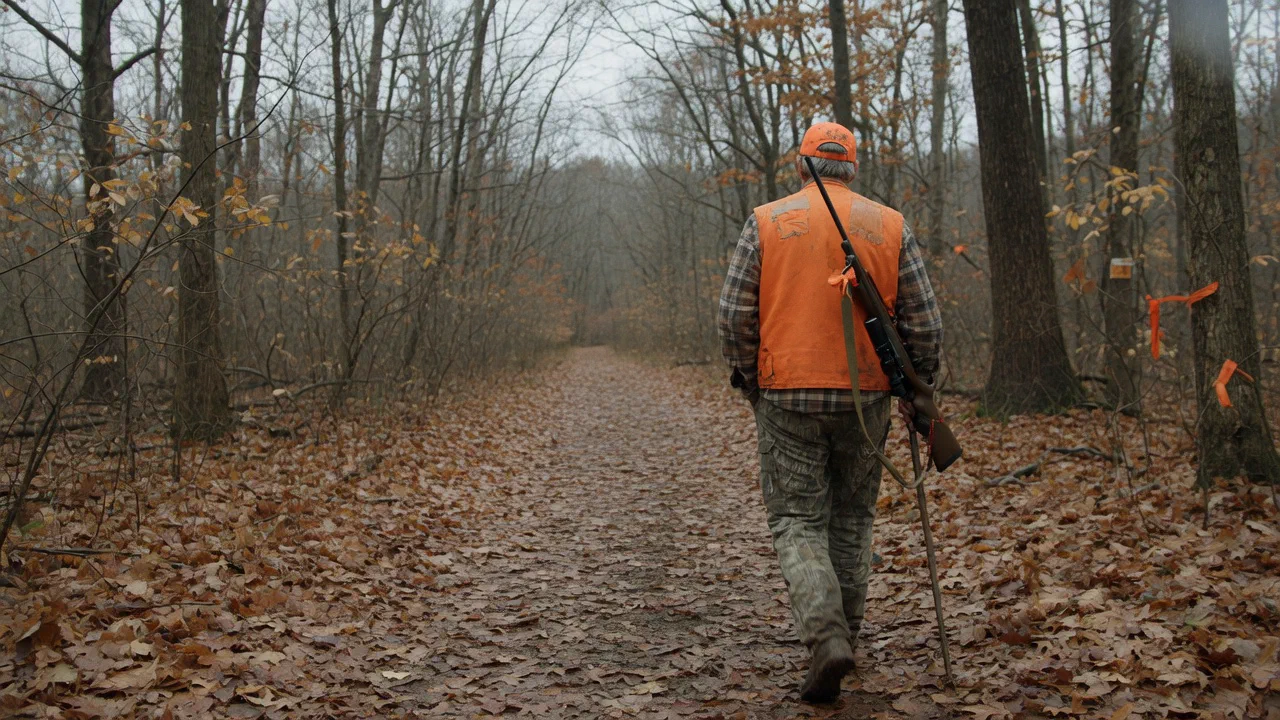 TWRA offers multiple ways to fulfill the hunter education requirement. The traditional classroom course is taught by certified volunteer instructors and includes hands-on instruction in firearms safety, wildlife management, and outdoor ethics. These courses are offered throughout the year at locations across the state and typically require attendance over one or two days.
An online course is also available through TWRA-approved providers. The online option allows you to complete the coursework at your own pace, though Tennessee requires an in-person field day component to finalize your certification. During the field day, you will demonstrate safe firearms handling and complete a practical skills evaluation.
The minimum age for hunter education certification in Tennessee is 9 years old. Younger hunters may participate in hunting activities under the direct supervision of a licensed adult through the state’s youth hunting provisions. Tennessee recognizes hunter education certificates from all other states and countries with approved programs, so transferring your certification is straightforward.
Types of Hunting Licenses
Tennessee structures its licenses around a base hunting license with additional permits and endorsements added based on the species and methods you plan to use.
| License Type | Who Qualifies | Key Notes |
|---|---|---|
| Resident Hunting License | Tennessee residents 13 and older | Base license required for all hunting activities |
| Non-Resident Hunting License | Out-of-state hunters | Available as all-game or small-game-only options |
| Type 94 Sportsman License | Tennessee residents | All-inclusive combo: hunting, fishing, big game, waterfowl, and more |
| Junior Hunt/Fish/Trap License | Residents 13 through 15 | Reduced cost; must be bought before the 16th birthday; requires adult supervision |
| Senior Hunting License | Residents 65 and older | Discounted rate for qualifying residents |
| Lifetime Sportsman License | Tennessee residents | One-time purchase covers hunting, fishing, and all endorsements for life |
| Military/Veteran License | Active-duty military and eligible veterans | Discounted or free depending on residency and service status |
| Annual Hunting/Fishing Combo | Residents seeking both activities | Bundled discount compared to purchasing separately |
| Non-Resident 7-Day Hunting License | Out-of-state visitors on short trips | Valid for seven consecutive days |
A resident hunting license costs $33.00, with a Big Game License ($33.00) required for deer, bear, turkey, and wild boar. The Resident Sportsman License ($165.00) bundles all hunting, fishing, and permit privileges into one purchase. Non-residents pay $305.00 for the annual all-game license or $214.00 for the 7-day all-game trip license (TWRA no longer sells a 3-day license).
Tags, Stamps, and Permits
Tennessee requires additional permits and stamps beyond the base hunting license for many popular species.
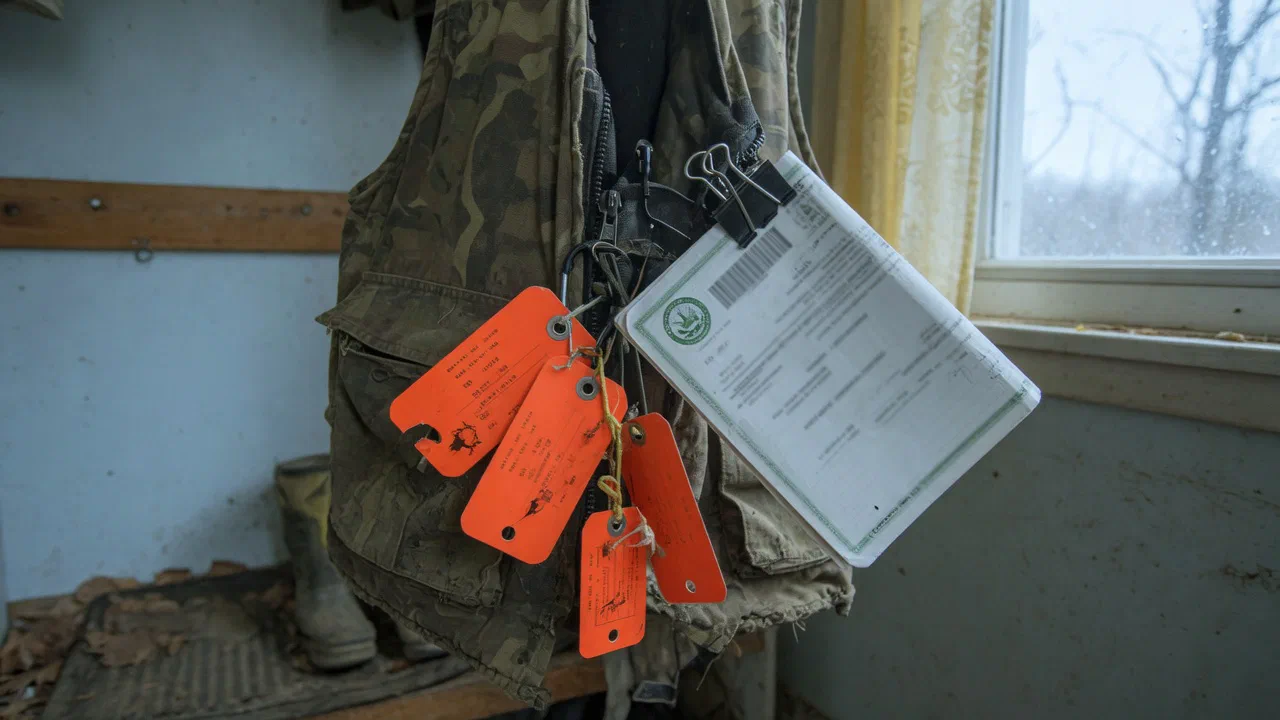 Big game permits are required for hunting deer, turkey, bear, and wild boar. The big game permit is included in the Type 94 Sportsman License but must be purchased as a separate add-on if you hold a standard hunting license.
Deer harvest in Tennessee is managed through unit-specific bag limits. Hunters must check harvest regulations for the unit they plan to hunt, as antlerless deer opportunities and bag limits vary by unit and season segment. Tennessee uses a Telecheck system for reporting deer and turkey harvests, which can be completed by phone or online immediately after harvest.
A Waterfowl permit is required for hunting ducks, geese, and other migratory waterfowl in Tennessee. You also need a Federal Migratory Bird Stamp (Duck Stamp) and must be registered with the Harvest Information Program (HIP).
Turkey is covered by the big game permit; no separate turkey permit is sold. Tennessee offers spring and fall turkey seasons with specific bag limits and legal hunting methods for each.
Wild boar permits are required for hunting on Cherokee National Forest and certain WMAs. Boar seasons are popular in East Tennessee, and specific regulations apply to different management areas.
Bear permits are required for black bear hunting, which is concentrated in the mountainous eastern portion of the state. Bear hunting has limited geographic areas and specific season dates.
Managed hunts on WMAs and other public lands require separate applications submitted through TWRA. These quota-style hunts are awarded through a drawing process, and applications must be submitted during designated periods.
How to Buy Your License
Tennessee hunting licenses are available through the TWRA online licensing system at gooutdoorstennessee.com. The online portal allows you to create an account, purchase licenses, add permits and endorsements, and print temporary licenses immediately. You will need a valid form of identification and your Social Security number to set up your account.
Licenses can also be purchased in person at TWRA regional offices and authorized retail agents throughout the state, including sporting goods stores and some general retailers. Agents process your purchase through the same online system.
Phone purchases are available by calling TWRA during business hours. Have your personal details and payment information ready before calling.
Tennessee allows hunters to carry their license electronically using a smartphone. As long as you can display a valid digital copy of your license in the field, a paper copy is not required. However, carrying a printed backup is recommended in case you lose cell service in remote areas.
Application Deadlines and Important Dates
Tennessee’s annual hunting licenses are valid for 365 days from the date of purchase. Note your purchase date and renew before it lapses, especially ahead of the early spring turkey season if that is your first hunt of the year.
Managed hunt applications are processed on a rolling basis with specific deadlines for each hunt. Most WMA managed hunt applications open in the summer months and close several weeks before the hunt date. Check the TWRA managed hunt list for the exact timeline for each area and species.
Quota hunt results are posted on the TWRA website after the application period closes. Selected hunters are notified and must confirm their participation by the stated deadline.
Tennessee does not use a preference point or bonus point system for managed hunts. Drawings are conducted randomly, giving all applicants an equal chance each year regardless of previous applications.
Spring turkey season dates are set annually and hunters should confirm dates through TWRA before making plans, as opening day can shift slightly from year to year.
Reciprocity and Out-of-State Hunters
Non-resident hunters can purchase Tennessee licenses through the same online licensing system used by residents. Non-resident fees are higher, and Tennessee offers both an all-game non-resident license and a small-game-only option for those not pursuing big game.
 Tennessee accepts hunter education certifications from all US states and Canadian provinces with approved programs. Non-residents should have their hunter education certificate number available when creating their TWRA account.
Non-residents have access to WMAs and managed hunts under the same rules as residents, though permit allocations for some managed hunts may prioritize residents. Non-residents must purchase the same stamps and permits as residents for the species they intend to hunt.
A Non-Resident 7-Day License ($214.00) is available for out-of-state hunters making a short trip. This license is valid for seven consecutive days and can be a cost-effective option if you are hunting with friends or on a guided trip and do not need a full-season license.
Special Considerations
Landowner privileges in Tennessee allow qualifying landowners and their immediate family to hunt on their own property without purchasing a hunting license in certain circumstances. However, big game harvest reporting through Telecheck is still required regardless of landowner status. Check TWRA for the specific acreage and residency requirements that apply.
Disabled hunter permits are available for hunters with qualifying physical disabilities. These permits may allow the use of crossbows during archery-only seasons, hunting from a vehicle on private land, or access to mobility-impaired hunting areas on WMAs. A medical certification form must be submitted with the application.
Tennessee’s Apprentice Hunting License allows first-time hunters to try hunting before committing to the full hunter education course. Apprentice license holders must be accompanied by a licensed adult 21 or older who maintains visual and voice contact at all times. This is an excellent option for adults considering hunting for the first time or for mentors introducing someone to the sport.
The Type 94 Sportsman License deserves special mention for its value. It bundles nearly every license, permit, and stamp a Tennessee resident could need into one purchase. If you hunt multiple species and also fish, the Sportsman License typically saves money compared to buying individual licenses and endorsements.
Tennessee’s Youth Hunting Days provide young hunters with exclusive access to deer and turkey hunting before the general season opens. These events are designed to give youth hunters a quality experience with less pressure and competition in the field.
Planning Your Hunt
With your Tennessee hunting license and permits in hand, the next step is researching the seasons, regulations, and land access options that apply to your planned hunt.
- Tennessee hunting seasons — Season dates for deer, turkey, bear, boar, waterfowl, and small game.
- Tennessee hunting regulations — Bag limits, legal methods, unit boundaries, and reporting requirements.
- Tennessee land access — Public hunting land including WMAs, national forests, and other state-managed areas.
- Hunting guides — General guides for scouting, field care, gear selection, and trip planning.
Tennessee’s varied terrain and healthy wildlife populations offer something for every type of hunter. Once you are properly licensed and familiar with the regulations, you are ready for a great season in the Volunteer State.
Last verified: September 5, 2026 — Official sourceFor reference only. This page summarizes agency publications and is not legal advice or an official source; confirm dates, limits and fees with the state wildlife agency before you hunt. Regulations change mid-season. Send a correction if you spot an error. Disclaimer.