Wisconsin has a long and proud hunting tradition that shapes the culture of the state every fall. The November gun deer season is one of the most anticipated events of the year, with hundreds of thousands of hunters heading into the woods across both the northern forests and the farmland of the southern counties. Wisconsin offers strong hunting opportunities for white-tailed deer, wild turkey, black bear, waterfowl, ruffed grouse, pheasants, squirrels, rabbits, and furbearers.
The Wisconsin Department of Natural Resources (WDNR) manages all hunting regulations, licensing, wildlife conservation, and public land access in the state. WDNR administers the GoWild system for license purchases and applications, sets season dates and bag limits, and manages the preference point systems for turkey and bear hunting that are central to the Wisconsin hunting experience.
Getting licensed in Wisconsin requires understanding the state’s hunter education rules, license options, and the important preference point systems that determine who gets turkey and bear tags. This guide walks you through every step, from completing hunter education to purchasing your license through GoWild and applying for drawn hunts.
| License/Permit | Residency | Fee | Includes |
|---|---|---|---|
| Gun Deer License (Resident) | Resident | $24.00 | gun buck harvest authorization, farmland antlerless authorizations where issued |
| Archery License (Resident) | Resident | $24.00 | bow buck harvest authorization, farmland antlerless authorizations where issued |
| Crossbow License (Resident) | Resident | $24.00 | bow buck harvest authorization |
| Small Game License (Resident) | Resident | $18.00 | small game hunting |
| Small Game License (Resident) | Resident | $18.00 | small game hunting |
| Junior Small Game License (ages 12-17) | Resident | $9.00 | small game hunting |
| Gun Deer License (Nonresident) | Nonresident | $200.00 | gun buck harvest authorization, farmland antlerless authorizations where issued |
| Archery License (Nonresident) | Nonresident | $200.00 | bow buck harvest authorization |
| Small Game License (Nonresident) | Nonresident | $90.00 | small game hunting |
| Small Game License (Nonresident) | Nonresident | $90.00 | small game hunting |
| Class A Bear Hunting License (Resident) | Resident | $49.00 | one bear harvest |
| Class A Bear Hunting License (Nonresident) | Nonresident | $251.00 | one bear harvest |
| Spring Turkey License (Resident) | Resident | $15.00 | spring turkey hunting with a valid harvest authorization |
| Spring Turkey License (Nonresident) | Nonresident | $65.00 | spring turkey hunting with a valid harvest authorization |
| Wild Turkey Stamp | Any | $5.25 | turkey hunting privilege (spring and fall) |
| Bonus Antlerless Deer Harvest Authorization (Resident) | Resident | $12.00 | one antlerless deer in the specified DMU and land type |
| Wisconsin Waterfowl Stamp | Any | $12.00 | state waterfowl hunting privilege |
| Pheasant Stamp | Any | $10.00 | pheasant hunting privilege |
| Federal Duck Stamp | Any | $25.00 | federal waterfowl hunting privilege |
| Sports License (Resident) | Resident | $60.00 | annual fishing, small game, gun deer |
Hunter Education Requirements
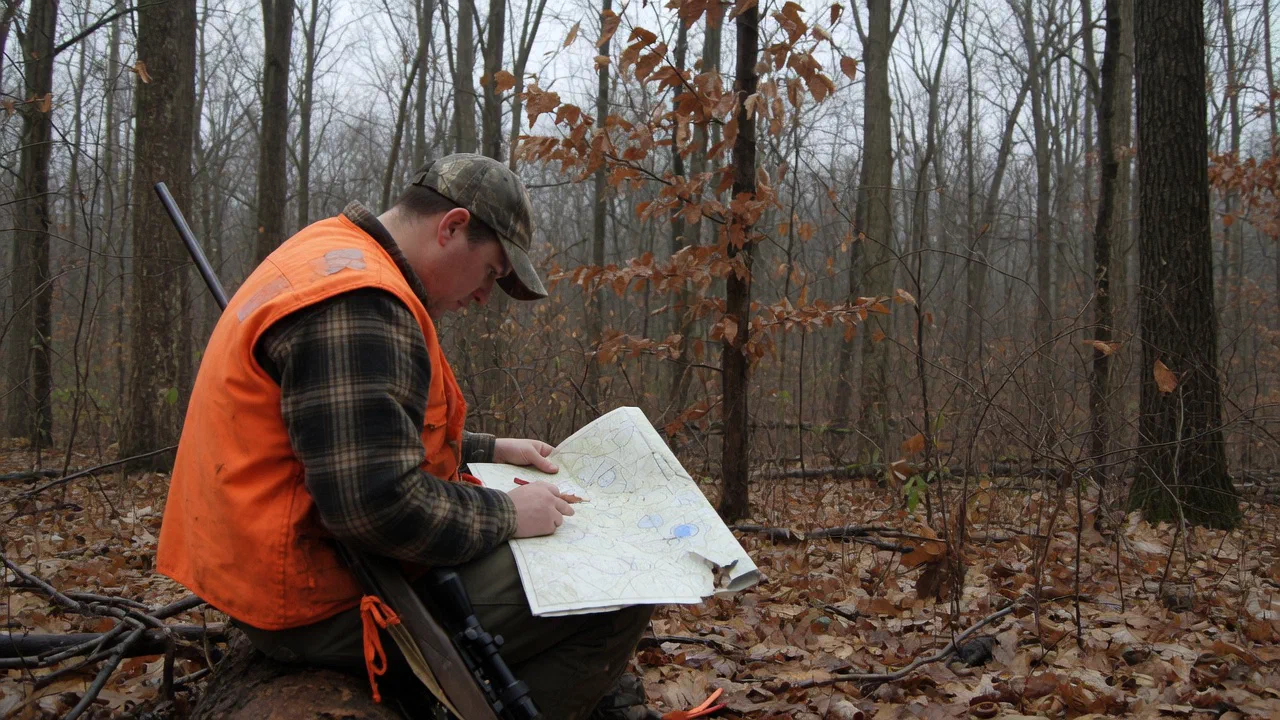
Wisconsin requires hunter education for all first-time hunting license buyers born on or after January 1, 1973. If you were born before that date and have previously held a hunting license, you are exempt from the requirement.
Course Options
WDNR offers several ways to complete hunter education:
- Online course with field day: Complete the classroom material online, then attend a mandatory in-person field day for hands-on skills evaluation and a written exam. This is the most popular option.
- Traditional classroom course: An instructor-led course held over multiple sessions at locations throughout the state. Includes hands-on instruction, safety training, and a written test. These courses are offered free of charge through WDNR’s volunteer instructor network.
- Weekend or intensive course: Some locations offer compressed schedules that cover the full course material in a weekend.
Bowhunter Education
Wisconsin does not require a separate bowhunter education course. Any hunter with a valid hunting license can purchase a bow or crossbow hunting privilege.
Minimum Age
The minimum age to complete hunter education in Wisconsin is 10 years old if unaccompanied, though youth can begin hunting earlier through the Mentored Hunting Program. There is no minimum age for the Mentored Hunting Program.
Reciprocity
Wisconsin accepts hunter education certifications from all other U.S. states and Canadian provinces. If you completed hunter education in another state, your certification is valid in Wisconsin. Carry proof of completion when purchasing your license.
Types of Hunting Licenses
Wisconsin’s licensing system is built around a base hunting license with additional privileges (called “stamps” or “privileges”) added for specific species and seasons.
| License Type | Who Qualifies | Key Notes |
|---|---|---|
| Resident Gun Deer License | Wisconsin residents | Covers one antlered deer during the gun season |
| Resident Archer/Crossbow License | Wisconsin residents | Covers deer hunting during archery and crossbow seasons |
| Resident Small Game License | Wisconsin residents | Covers small game species, upland birds, and rabbits |
| Non-Resident Gun Deer License | Non-residents | One antlered deer during gun season at a higher fee |
| Non-Resident Archer License | Non-residents | Deer hunting during archery season |
| Non-Resident Small Game License | Non-residents | Covers small game at a higher fee |
| Youth Hunting | Residents and non-residents under 18 | Reduced fees available |
| Conservation Patron License | Wisconsin residents | Comprehensive package: includes gun deer, archery, small game, turkey, pheasant, state waterfowl, trapping, and fishing |
| Senior Citizen Combination | Residents 65 and older | Reduced-fee package with multiple privileges |
| Disabled Veteran | Wisconsin residents with qualifying service | Free or reduced-fee licenses depending on disability rating |
| Lifetime License | Wisconsin residents | One-time purchase; available for children and adults |
| Sports License | Wisconsin residents | Bundles gun deer, archery, small game, and fishing |
A resident gun deer license costs $24.00, and the archery deer license is the same at $24.00. Non-residents pay $200.00 for gun deer. Resident small game licenses run $18.00, and turkey licenses are $15.00 for residents.
The Conservation Patron License is the most comprehensive option for Wisconsin hunters. It includes nearly every hunting and fishing privilege the state offers and is the best value for avid sportsmen who hunt multiple species and fish.
Tags, Stamps, and Permits
Deer Tags
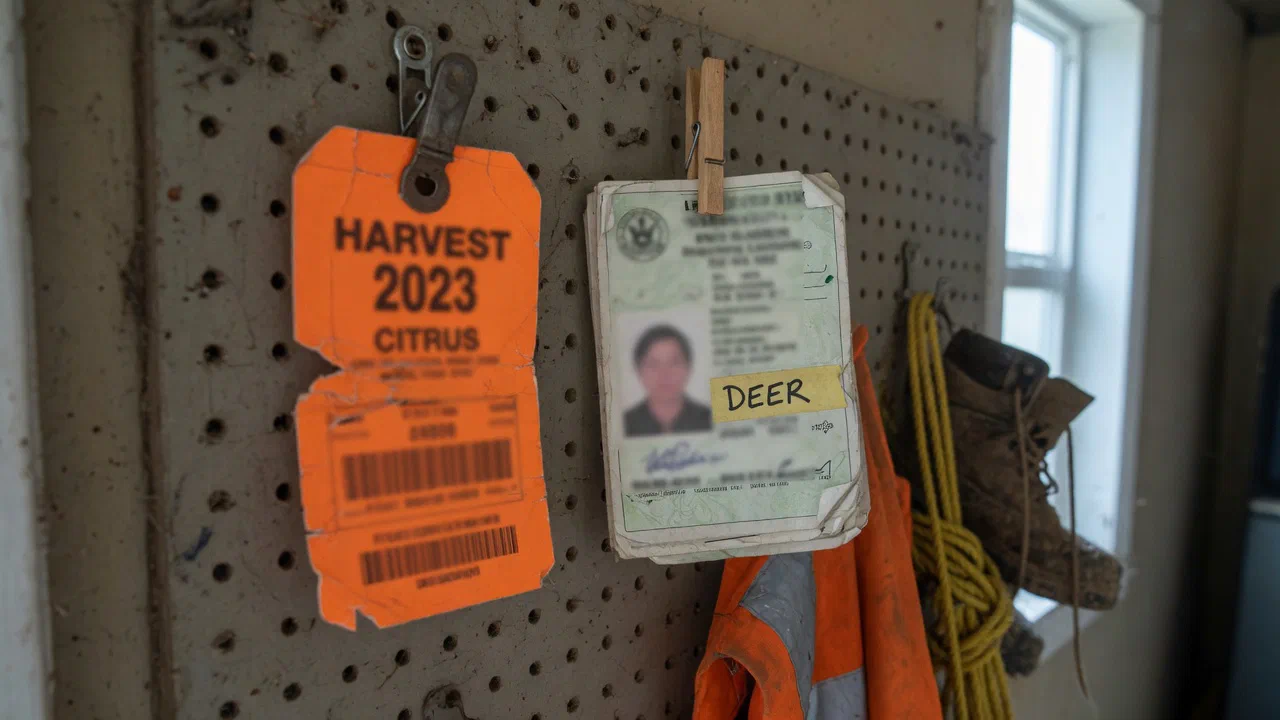 Wisconsin’s deer tag system has evolved over the years. The base gun deer license includes one buck tag. Antlerless deer tags are managed separately by Deer Management Zone.
- Buck Tag: Included with your gun deer or archery license. Valid statewide.
- Antlerless Deer Tags: Availability varies by management zone. In many zones, antlerless tags are available as bonus tags at an additional cost. Some zones offer farmland tags, which are available over the counter. Others may have limited availability.
- Bonus Antlerless Tags: In zones with high deer populations, WDNR issues bonus antlerless tags to help manage the herd. These are available for purchase after the initial tag allocations and may be available in unlimited quantities for some zones.
Turkey Tags
Wisconsin turkey hunting requires a turkey tag issued through a preference-based draw system. The state is divided into turkey management zones, and hunters select their preferred zone when applying.
- Spring Turkey: Applications are due in December for the following spring season. Wisconsin uses a preference point system. If you are unsuccessful in the draw, you earn one preference point, which increases your odds in future years.
- Fall Turkey: Fall turkey tags are generally available over the counter and do not require a draw.
Bear Tags
Black bear hunting in Wisconsin requires a bear tag obtained through a preference point draw. Wisconsin’s bear preference system is known for its long wait times. In popular zones, hunters may accumulate preference points for 7 to 10 or more years before drawing a tag. Bear preference points are earned each year you apply unsuccessfully. Both residents and nonresidents may apply; the nonresident Class A license is $251.00.
Migratory Bird Stamps and HIP
- Wisconsin Waterfowl Stamp: Required for hunting ducks and geese in Wisconsin. Proceeds fund wetland habitat projects.
- Federal Duck Stamp: Required for all waterfowl hunters age 16 and older. Purchased separately through the USFWS.
- HIP Registration: Required for all migratory bird hunters. Complete this when purchasing your license through GoWild.
- Pheasant Stamp: Required for hunting pheasants. Proceeds support Wisconsin’s pheasant management program.
State Park Sticker
If you plan to access state parks, forests, or recreation areas for hunting, you may need a state park vehicle admission sticker. This is not a hunting-specific requirement but is needed for vehicle access to many public lands.
How to Buy Your License
Online: GoWild
The GoWild system is WDNR’s online portal for purchasing hunting licenses, fishing licenses, stamps, and permits. It is also where you apply for turkey and bear draws.
Steps:
- Visit the GoWild portal on the WDNR website.
- Create a GoWild account or log in with your existing customer ID.
- Provide your driver’s license or state ID number, date of birth, and Social Security number.
- Select your license type (gun deer, archery, small game, etc.) and any additional privileges.
- Add stamps (waterfowl, pheasant) and complete HIP registration if hunting migratory birds.
- Apply for turkey and bear draws during the appropriate application windows.
- Complete payment with a credit or debit card.
- Print your license and tags or save a digital copy. Wisconsin allows you to carry a digital license on your mobile device.
In Person
Hunting licenses are available at authorized agents throughout Wisconsin, including sporting goods stores, hardware stores, gas stations, and some Walmart locations. Bring a valid photo ID and your hunter education certificate number.
WDNR Service Centers
WDNR service centers across the state can process license purchases and answer questions about the licensing system. Walk-in service is available at most locations during business hours.
Application Deadlines and Important Dates
Wisconsin’s hunting calendar includes several important deadlines, particularly for drawn hunts:
- Gun deer season: Licenses go on sale well before the November season opener. There is no draw for gun deer licenses.
- Archery/crossbow season: Licenses are available before the September opener. No draw required.
- Spring turkey applications: Due in December for the following spring season. Results are posted in January or February. This is a preference point draw.
- Fall turkey: Tags are generally available over the counter. Check the current regulations for any changes.
- Bear applications: Due in December for the following fall season. Results are posted later. The bear preference point system requires long-term commitment in popular zones.
- Antlerless deer tags: Available at various times depending on the management zone. Some are available when you purchase your license; others are released at specific dates.
- Bonus antlerless tags: Released after the initial allocation. Available over the counter in qualifying zones.
Preference Point Systems
Wisconsin uses preference points for both spring turkey and bear:
- Turkey preference points: Earned each year you apply unsuccessfully for spring turkey. Points increase your priority in future draws. Most zones award tags within one to three years of applying.
- Bear preference points: Earned each year you apply unsuccessfully for bear. Some zones require 7 to 10 or more years of points before you can expect to draw. Bear preference points are among the most valuable hunting credentials in the state.
Plan your preference point strategy early. If you are a Wisconsin resident interested in bear hunting, start applying as soon as you are eligible.
Reciprocity and Out-of-State Hunters
Non-residents can purchase Wisconsin hunting licenses at higher fees than residents. Gun deer, archery, and small game licenses are all available to non-residents without a draw.
 Wisconsin accepts hunter education certifications from all other states and Canadian provinces. Non-residents do not need a guide, and Wisconsin’s extensive public land (including county forests, state forests, and federal land) is open to all licensed hunters.
To qualify as a Wisconsin resident for licensing purposes, you must have maintained a permanent domicile in Wisconsin for at least 30 consecutive days immediately before applying for a license. A valid Wisconsin driver’s license or state ID serves as proof.
Non-residents can apply for bear tags through the same preference drawing at a higher license fee. Non-residents can also apply for spring turkey tags and purchase fall turkey tags over the counter.
Special Considerations
Mentored Hunting Program
Wisconsin’s Mentored Hunting Program allows hunters of any age to hunt without completing hunter education, as long as they are accompanied by a licensed mentor. There is no minimum age for the mentored hunter.
Key rules:
- The mentor must be at least 18 years old and hold a valid hunting license.
- The mentor and mentored hunter share one weapon between them during the hunt.
- The mentor must maintain close enough contact to exercise control over the mentored hunter’s actions.
- Mentored hunters can purchase a mentored hunting license that covers deer, turkey, and small game.
- Mentored hunters may participate for up to three years before they are required to complete hunter education.
This program is especially popular for introducing children and adults to hunting without the upfront commitment of a formal course.
Learn to Hunt Programs
WDNR offers Learn to Hunt events for various species, including turkey, deer, pheasants, and waterfowl. These are organized introductory hunts led by experienced volunteers and designed for people who have never hunted before. Participants receive instruction, mentorship, and a supervised hunting experience. Check the WDNR website for the current schedule.
Disabled Hunter Permits
WDNR provides permits for hunters with disabilities that allow the use of motorized vehicles, crossbows during archery season, or other accommodations. Contact WDNR for eligibility requirements and application information.
Tribal Hunting Rights
Wisconsin’s Native American tribes have hunting and fishing rights on ceded territory under federal treaties. Tribal members exercise these rights under regulations established by the tribes and the Great Lakes Indian Fish and Wildlife Commission (GLIFWC). Tribal hunting regulations may differ from state regulations on ceded territory. Non-tribal hunters must follow WDNR regulations regardless of where they hunt within the state.
Earn-a-Buck
Wisconsin has used earn-a-buck regulations in the past, requiring hunters to harvest an antlerless deer before being eligible to take an antlered deer in certain management zones. While this program has been modified or suspended at various times, check the current WDNR regulations to see if any earn-a-buck provisions are in effect for the upcoming season.
Public Land Access
Wisconsin has extensive public hunting land, including over 1.5 million acres of county forest, state forests, state wildlife areas, national forests (Chequamegon-Nicolet National Forest covers more than 1.5 million acres), and federal waterfowl production areas. No additional permits are required for most public land beyond your standard license and any applicable stamps.
Planning Your Hunt
Once you have your Wisconsin hunting license, tags, and stamps, use these resources to plan your season:
- Wisconsin hunting seasons — Season dates, bag limits, and zone-specific information for all game species.
- Wisconsin hunting regulations — Legal methods, antlerless tag rules, CWD regulations, and reporting requirements.
- Wisconsin land access — County forests, state wildlife areas, national forests, and public access maps.
- General hunting guides — Gear checklists, field care tips, and planning guides for all experience levels.
Wisconsin’s hunting calendar is packed with opportunities from September through the spring turkey season. Start building your bear preference points early if that is a goal, apply for spring turkey in December, and take advantage of the state’s excellent public land access. Purchase through GoWild and keep a digital copy of your license on your phone for convenience.
Last verified: September 5, 2026 — Official sourceFor reference only. This page summarizes agency publications and is not legal advice or an official source; confirm dates, limits and fees with the state wildlife agency before you hunt. Regulations change mid-season. Send a correction if you spot an error. Disclaimer.