Hunting on public land is one of America’s greatest outdoor privileges. Across the U.S., hundreds of millions of acres. from vast National Forests to state-run Wildlife Management Areas (WMAs). are open to sportsmen and women for pursuing wild game. These lands offer diverse habitats, often at little cost beyond licenses and permits.
Whether you’re after deer, elk, turkey, or waterfowl, success comes down to knowing where to go, understanding the rules, and preparing well.
1. What Counts as Public Land for Hunting?
Public land is owned by all citizens and managed by government agencies for multiple uses, including hunting, fishing, camping, hiking, and wildlife conservation.
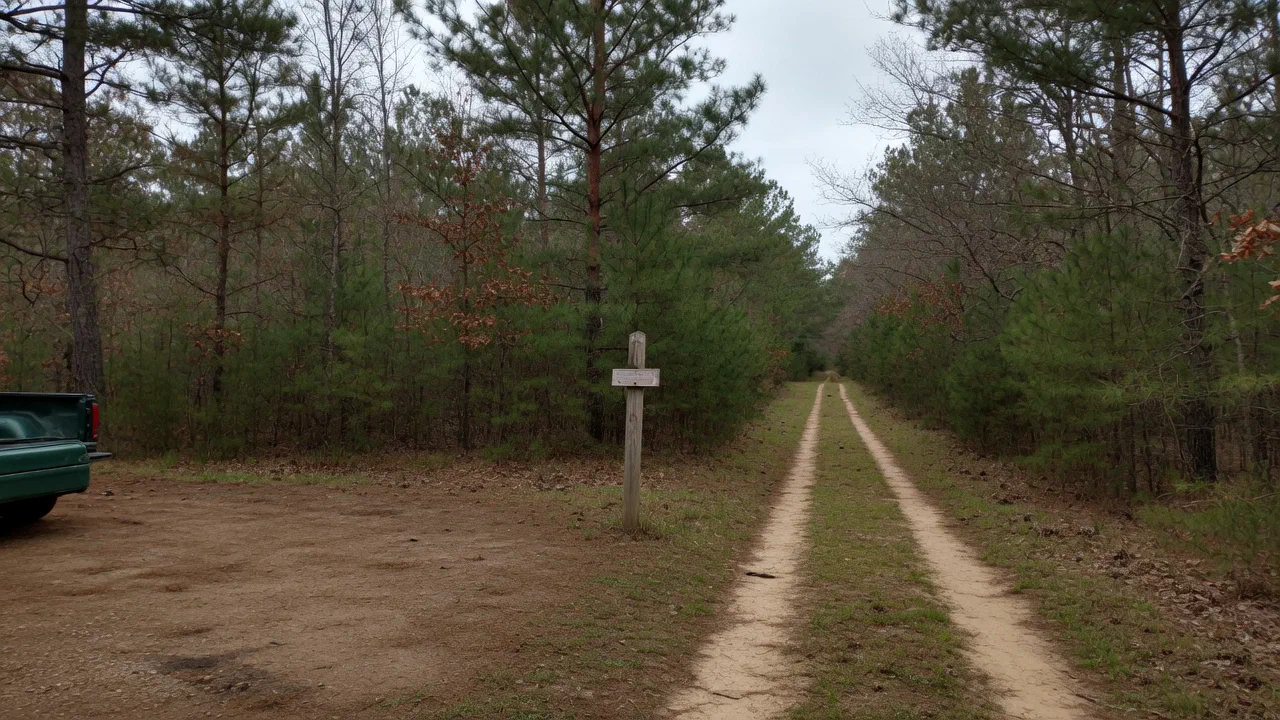
| Agency | What They Manage | Hunting Notes |
|---|---|---|
| BLM – Bureau of Land Management1 | 245 million acres, mostly in Western states | Multiple uses: grazing, energy, recreation, and hunting. Some seasonal closures. |
| USFS – U.S. Forest Service2 | 193 million acres of National Forests & Grasslands | Generally open to hunting under state laws; some special restrictions. |
| USFWS – U.S. Fish & Wildlife Service3 | 95 million acres of National Wildlife Refuges | Focused on conservation; hunting allowed in designated areas only. |
| State Wildlife Agencies | WMAs, State Forests, State Parks | State-specific rules; licensing, bag limits, and methods vary. |
Pro Tip: Even within one agency, each unit may have unique rules. Always check the local office or website before you go.
2. How to Find Public Hunting Land
Finding legal, productive hunting spots requires combining mapping tools with official regulations.
Best Resources:
- State Wildlife Agency Websites – Provide maps, access points, and rules (e.g., Idaho Fish & Game4).
- Federal Agency Maps –
• BLM Hunting & Fishing Brochure1
• USFS Hunting Info2
• USFWS Hunting Program3 - Digital Tools – OnX Hunt, HuntStand, Gaia GPS (verify boundaries against official sources).
- Hunter Education Courses – Many include public-land access rules (e.g., Texas Hunter Education5).
LSI Keywords: hunting access map, public hunting grounds, WMA maps, land ownership boundaries, huntable federal land.
3. Understanding Public Land Hunting Regulations
Hunting laws on public land come from three levels:
- State hunting regulations (license, seasons, bag limits, legal weapons).
- Area-specific rules (vehicle access, sign-in/sign-out, camping restrictions).
- Federal land-use policies (especially for BLM, USFS, and USFWS lands).
Common Special Rules on Public Land:
- Vehicle Restrictions: Some areas are walk-in only.
- Draw Hunts: Lottery or permit-only for certain species/seasons.
- Camping Limits: Often 14 days or less.
- Weapon Restrictions: May limit centerfire rifles, require non-toxic shot for waterfowl.
- Mandatory Check Stations: For data collection and CWD testing.
Tip: Always carry a copy of the current regulation booklet for your hunting state.
4. Scouting Public Land for Hunting Success
Public land often has more hunting pressure, so smart scouting is crucial.
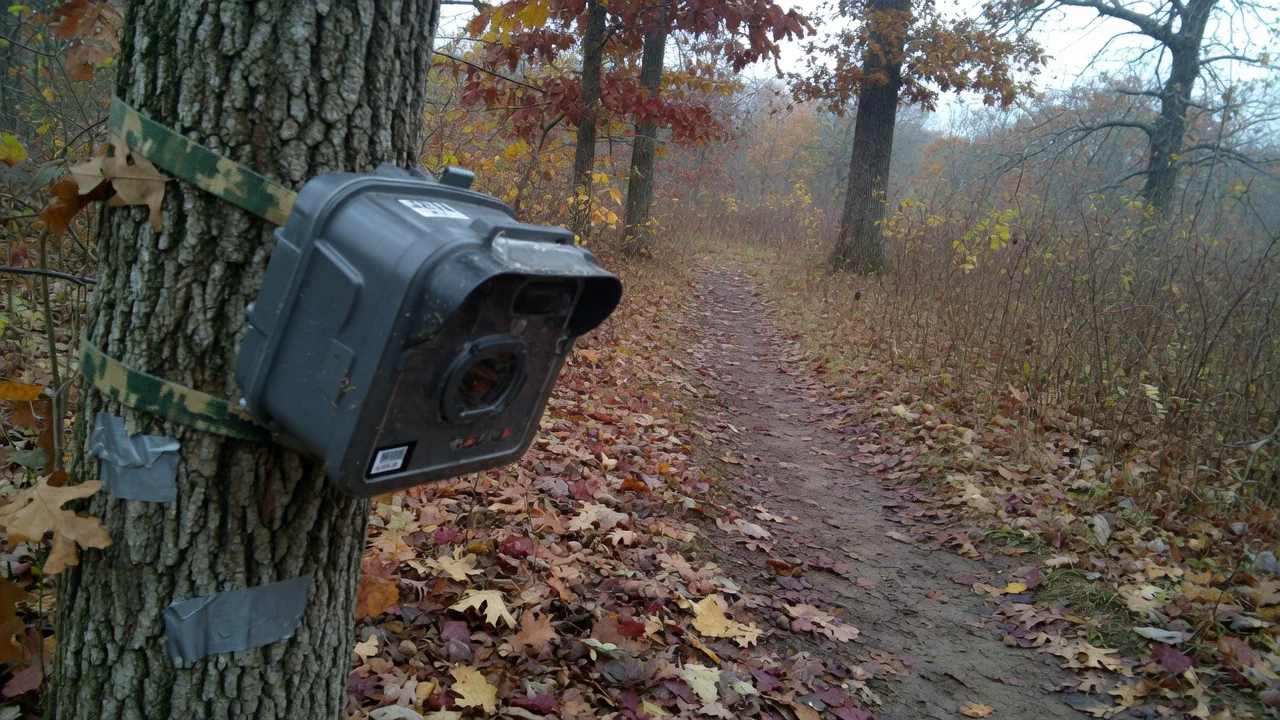
Digital Pre-Scouting
Look for:
- Habitat Variety: Bedding cover, food sources, water.
- Terrain Funnels: Saddles, pinch points, river crossings.
- Remote Zones: Areas >1 mile from roads.
Boots-on-the-Ground Scouting
- Search for fresh sign: Tracks, droppings, rubs, scrapes, wallows.
- Check access challenges: Hills, creeks, deadfall. spots that keep casual hunters away.
- Mark potential stand/blind locations in GPS.
LSI Keywords: off-season scouting, game movement patterns, hunting pressure avoidance.
5. Public Land Hunting Gear Checklist
| Category | Must-Have Gear |
|---|---|
| Navigation | GPS/app with offline maps, compass, printed map |
| Safety | First-aid kit, whistle, blaze orange vest/hat |
| Survival | Water, snacks, lighter, space blanket |
| Optics | Binoculars, rangefinder |
| Weapon & Ammo | Legal for target species, sighted in |
| Processing | Knife, gloves, game bags, small saw |
| Lighting | Headlamp/flashlight + spare batteries |
| Clothing | Layered system, rain gear, scent control optional |
| Pack | Comfortable, sized for gear + meat hauling |
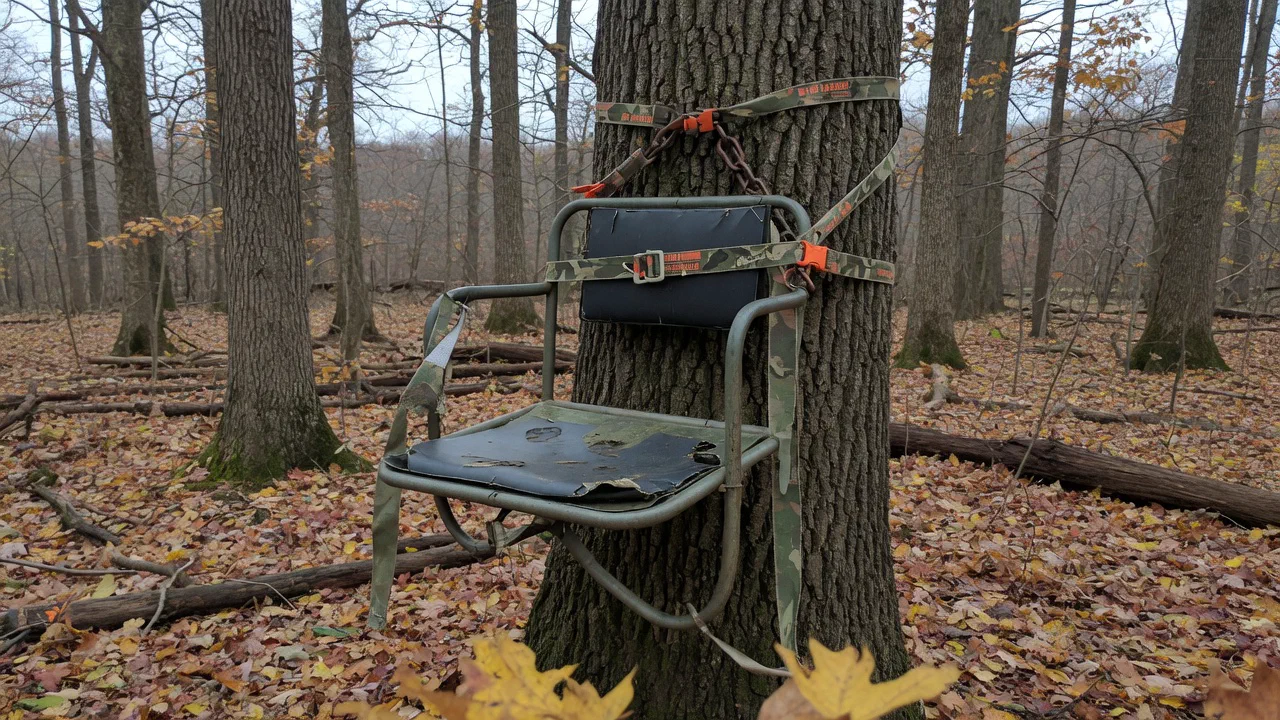
Many public-land hunters carry lightweight treestands or blinds if allowed. but always check area regulations first.
6. Public Land Hunting Safety & Ethics
Safety is critical when sharing land with other hunters, hikers, and campers.
Top Safety Rules:
- Know your target and beyond.
- Wear blaze orange. even if not required.
- Tell someone your hunt plan and check-in afterward.
- Avoid congested areas during peak pressure.
- Use tree stand safety harnesses every time.
Ethical Guidelines:
- Leave No Trace6: Pack out trash, avoid damaging habitat.
- Fair Chase: No baiting or unethical advantage.
- Respect Other Hunters: First-come-first-serve on spots.
- Comply with Fire Restrictions7.
7. Strategies for Public Land Hunting Success
- Go Farther: Hike past where most hunters stop.
- Hunt Midweek: Lower human pressure.
- Shift with Pressure: Move to overlooked habitat.
- Stay Mobile: Don’t overhunt one stand.
- Track Weather Changes: Storm fronts often spark game movement.
8. Quick Reference: Federal vs. State Oversight
| Land Type | Who Sets Hunting Rules? |
|---|---|
| BLM Land | State hunting regs + BLM-specific land-use rules1 |
| National Forest | State hunting regs + Forest Service orders2 |
| National Wildlife Refuge | USFWS + State hunting regs; often tighter rules3 |
| State WMA | State wildlife agency regulations |
Final Word
Public land hunting offers unmatched access to wild game. but success requires preparation, patience, and respect for the land. Use official maps, follow all regulations, scout smart, and hunt ethically.
Hunt hard, hunt safe, and help keep America’s wild places open for future generations.
For reference only. This page summarizes agency publications and is not legal advice or an official source; confirm dates, limits and fees with the state wildlife agency before you hunt. Regulations change mid-season. Send a correction if you spot an error. Disclaimer.