Alabama offers over one million acres of public hunting land and a deeply rooted tradition of private hunting clubs and leases. Hunters here can pursue whitetail deer, turkey, waterfowl, feral hogs, upland birds, and small game across habitats ranging from Appalachian hardwood forests and longleaf pine savannas to bottomland swamps and coastal marshes.
1. Public Hunting Land in Alabama
Public hunting in Alabama is managed primarily by the Alabama Department of Conservation and Natural Resources (ADCNR), the U.S. Forest Service, the U.S. Fish and Wildlife Service, and the Forever Wild Land Trust.1
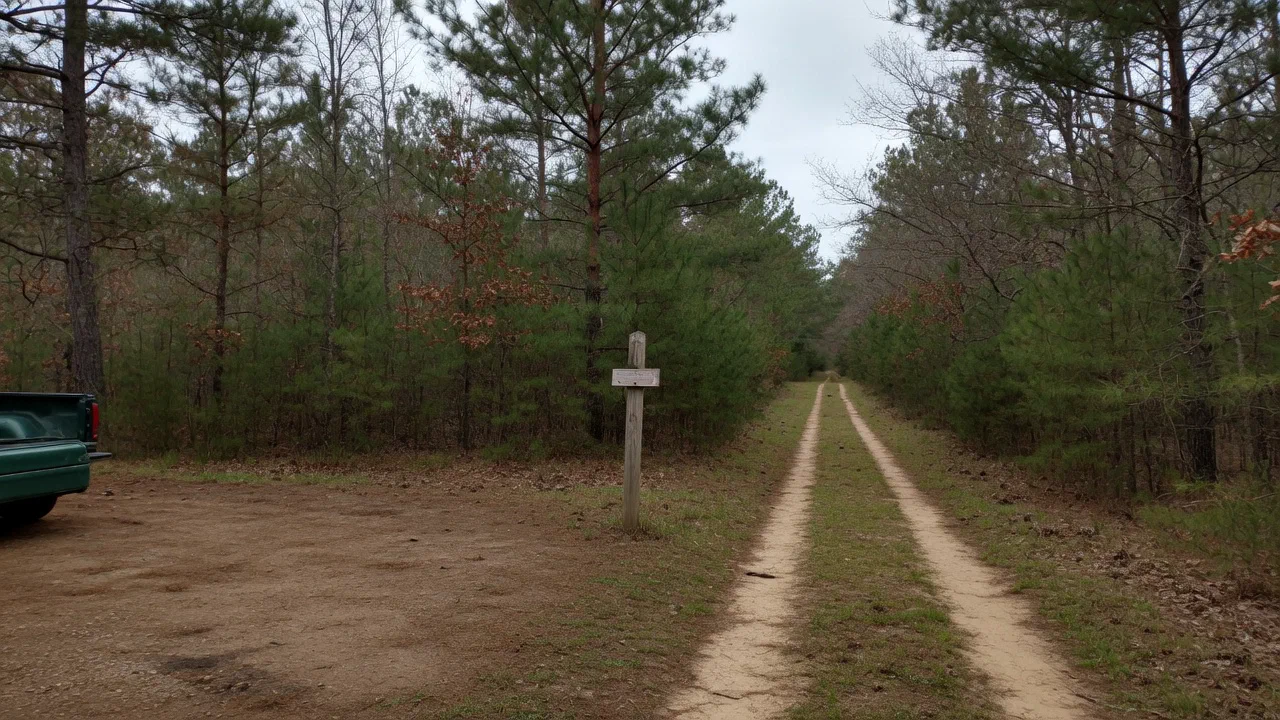
Wildlife Management Areas (WMAs)
Alabama manages over 30 WMAs across the state, totaling hundreds of thousands of acres. WMAs are the backbone of public hunting access in Alabama and offer opportunities for deer, turkey, small game, waterfowl, and feral hogs.
| WMA | Region | Primary Game | Notable Features |
|---|---|---|---|
| Skyline WMA | Northeast | Deer, turkey, bear | 72,000 acres on Cumberland Plateau |
| Cahaba River WMA | Central | Deer, turkey, small game | Cahaba River corridor habitat |
| Barbour WMA | Southeast | Deer, turkey, quail | Managed for multiple species |
| Lauderdale WMA | Northwest | Deer, turkey, waterfowl | Tennessee River bottomlands |
| Upper Delta WMA | Southwest | Waterfowl, deer, hogs | Mobile-Tensaw Delta wetlands |
| Perdido River WMA | Southwest | Deer, turkey, small game | Coastal plain habitat |
| Hollins WMA | East-central | Deer, turkey | Tallapoosa River corridor |
A WMA License is required to hunt on any state WMA, in addition to your regular hunting license. Some WMAs also require a DCNR Lands License for access. Check the specific requirements for each WMA before your trip.
Tip: Many WMAs offer quota hunts for deer and turkey that require advance application through ADCNR. Apply early, as demand often exceeds available permits.
National Forests
Alabama has four National Forests managed by the U.S. Forest Service, providing approximately 660,000 combined acres of public hunting land:
| National Forest | Acres | Region | Primary Game |
|---|---|---|---|
| Talladega National Forest | 392,000 | East-central | Deer, turkey, squirrel, grouse |
| Bankhead National Forest | 181,000 | Northwest | Deer, turkey, small game |
| Conecuh National Forest | 84,000 | South | Deer, turkey, quail |
| Tuskegee National Forest | 11,000 | East-central | Deer, turkey, small game |
Hunting on National Forest land follows both federal regulations and Alabama state seasons. A standard Alabama hunting license is required. No WMA license is needed for National Forest land unless the area overlaps with a state WMA.
Forever Wild Lands
The Forever Wild Land Trust has conserved over 250,000 acres across Alabama since its creation in 1992. Many of these tracts are open to public hunting and provide some of the least-pressured hunting opportunities in the state. Forever Wild properties range from small tracts of a few hundred acres to large holdings in the thousands. Access rules and permitted activities vary by tract. Check the ADCNR Forever Wild page for maps and regulations.
National Wildlife Refuges
Several National Wildlife Refuges in Alabama offer hunting opportunities under federal management:
- Wheeler National Wildlife Refuge (northwest Alabama): One of the premier waterfowl hunting destinations in the state, situated along the Tennessee River.
- Bon Secour National Wildlife Refuge (Gulf Coast): Limited hunting opportunities for deer and migratory birds near the coast.
- Eufaula National Wildlife Refuge (southeast Alabama): Deer, turkey, and waterfowl hunting with federal permits.
Hunting on NWRs requires compliance with both federal and state regulations. Special permits and restricted methods may apply.
Army Corps of Engineers Lands
The U.S. Army Corps of Engineers manages land around several major Alabama reservoirs, including Lake Martin, Lewis Smith Lake, and the Tennessee River chain of lakes. Some of these lands are open to hunting. Rules vary by reservoir and management area.
2. Private Hunting Land in Alabama
The majority of hunting in Alabama takes place on private land. Alabama’s private land hunting culture is one of the strongest in the South.
| Private Access Type | Pros | Cons | Best For |
|---|---|---|---|
| Hunting Clubs | Shared cost, community, long-term access | Membership required, club rules | Whitetail deer, turkey |
| Hunting Leases | Dedicated access, manageable cost | Contracts vary, annual commitment | Deer, turkey, small game |
| Guided Hunts | High success rates, lodging included | Higher cost | Feral hogs, trophy deer, waterfowl |
| Day Hunts | Flexible, lower upfront cost | Limited scouting time | Hogs, dove, waterfowl |
Hunting Clubs
Hunting clubs are the dominant form of private land access in Alabama. Many clubs have operated on the same leased timberland for decades. Club culture is deeply ingrained, particularly in the Black Belt region, where large timber company holdings provide thousands of contiguous acres. Members share the cost of the lease, maintain food plots and stands, and follow club-specific harvest rules that often go beyond state minimums. Joining a club typically requires sponsorship by an existing member.
Hunting Leases
Individual and group leases are available across the state. Timber companies, paper companies, and private landowners lease hunting rights on their properties. Lease terms should clearly define allowed species, guest policies, vehicle access, camping, and any harvest restrictions. The Black Belt region of central Alabama is particularly known for high-quality deer leases with trophy potential.
Guided Hunts
Guided hunts are available for deer, turkey, waterfowl, feral hogs, and dove. Many outfitters operate on large private tracts with active management programs. Guided hunts often include lodging, meals, transportation, and field care. This is a good option for non-resident hunters or those new to Alabama hunting.
The Black Belt Region
Alabama’s Black Belt, a crescent-shaped band of dark, fertile soil running across the central part of the state, is legendary for producing trophy whitetail deer. The combination of rich soils, diverse habitat, warm climate, and active management on private hunting clubs has made the Black Belt one of the top whitetail destinations in the eastern United States. Dallas, Wilcox, Marengo, and Perry counties are among the most productive.
3. Popular Game by Access Type
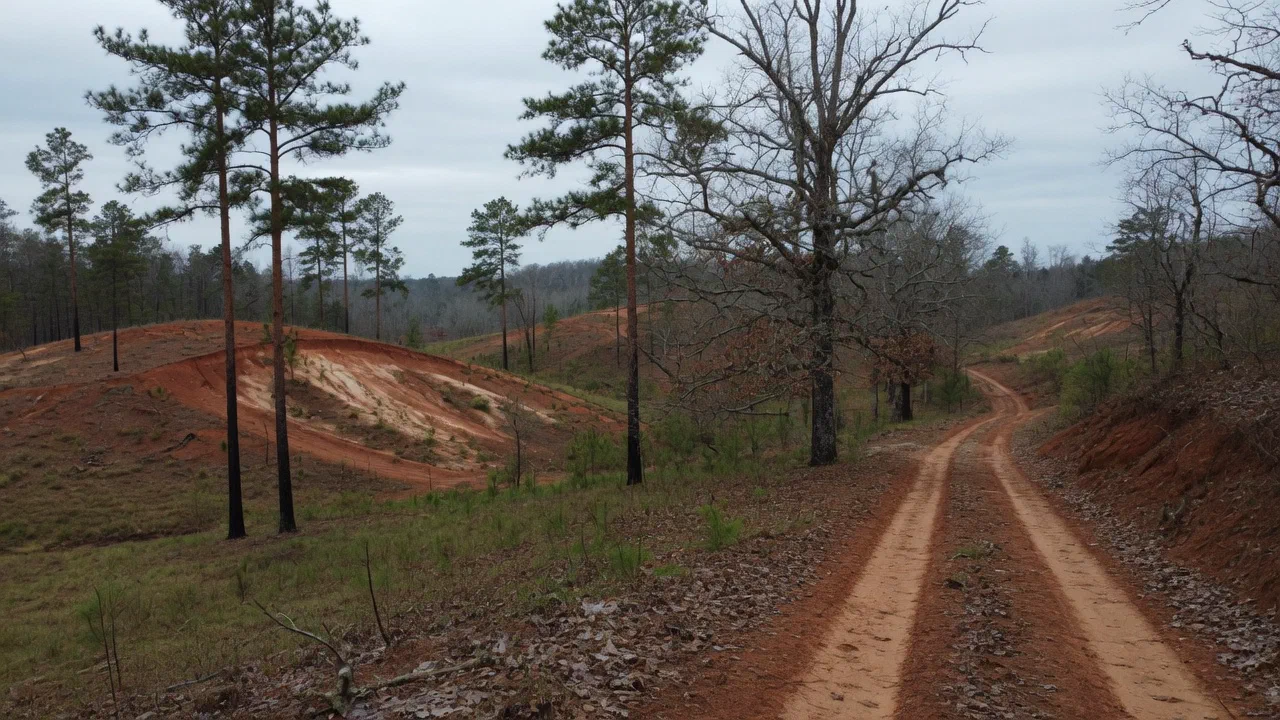
Alabama’s habitat diversity supports a wide range of game species across both public and private land.
| Game Species | Public Land Opportunities | Private Land Opportunities |
|---|---|---|
| Whitetail Deer | WMAs, National Forests, Forever Wild | Hunting clubs, leases, guided hunts |
| Turkey | WMAs, National Forests | Clubs, leases, guided spring hunts |
| Waterfowl | Wheeler NWR, Upper Delta WMA, reservoirs | Private flooded fields, managed wetlands |
| Feral Hogs | Select WMAs during open seasons | Year-round on private land, guided night hunts |
| Upland Birds | Limited WMA opportunities | Managed quail preserves, plantation hunts |
| Small Game (Squirrel, Rabbit) | WMAs, National Forests statewide | Private woodlands with permission |
4. Choosing Your Alabama Hunting Land
When deciding between public and private options, consider:
- Budget: WMA access is the most affordable option. Hunting club memberships split costs among members. Guided hunts are the most expensive.
- Time Available: Public land may require more scouting. Clubs and leases allow year-round preparation.
- Target Species: Match habitat to species. Bottomlands and reservoirs for waterfowl. Hardwoods and pine-hardwood mix for deer and turkey. Black Belt for trophy bucks.
- Experience Level: New hunters may prefer guided trips or joining an established hunting club.
- Region: North Alabama (Tennessee Valley) differs significantly from the Gulf Coast. Choose land that matches the terrain and species you want to hunt.
5. Regulations and Safety
Before hunting in Alabama:
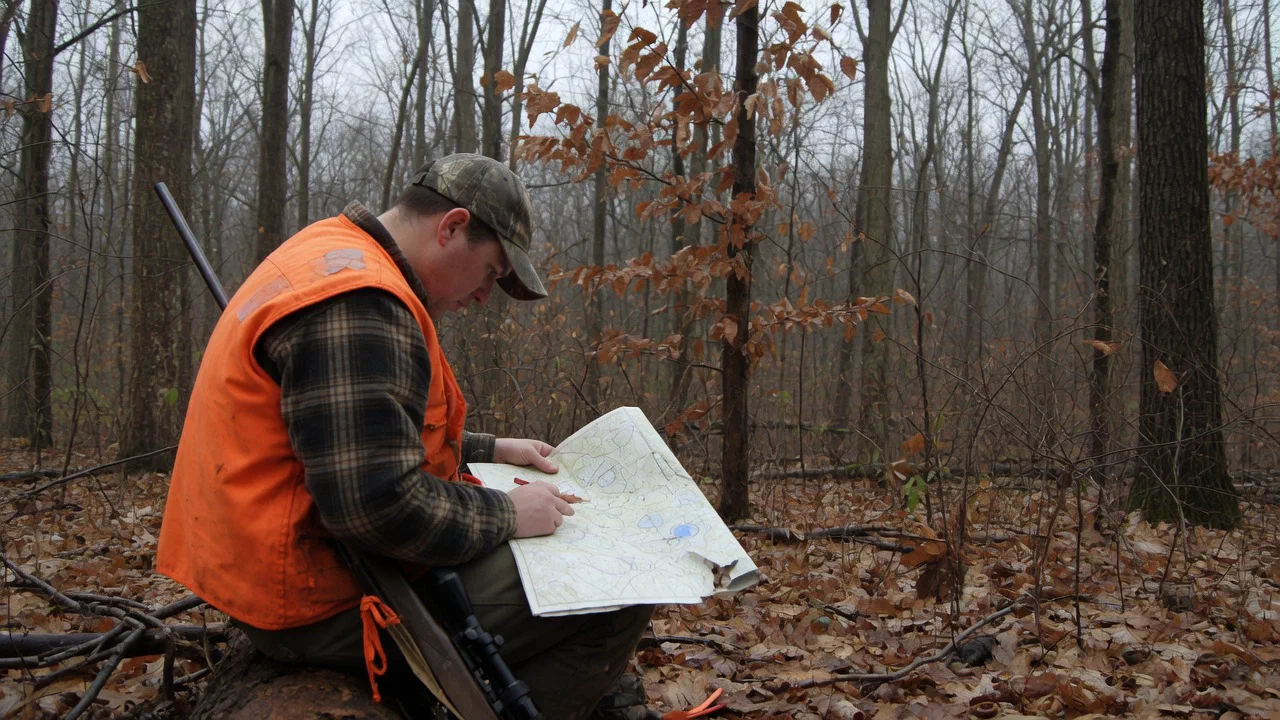
- License and Permits: Valid hunting license required. WMA License for state WMAs. DCNR Lands License for certain properties. Federal Duck Stamp for waterfowl. See Alabama hunting regulations.
| License/Permit | Residency | Fee | Includes |
|---|---|---|---|
| Resident All Game Hunting License | Resident | $34.35 | all species including deer and turkey |
| Resident Small Game Hunting License | Resident | $22.75 | all species excluding deer and turkey |
| Wildlife Management Area License | Resident | $22.75 | WMA access |
| Baiting Privilege License | Resident | $18.45 | hunting deer or feral swine over bait |
| Nighttime Feral Swine and Coyote Hunting License | Resident | $18.00 | night hunting of feral swine and coyote |
| Alabama State Duck Stamp | Any | $12.10 | waterfowl |
| Federal Duck Stamp | Any | $30.00 | waterfowl |
| Optional 65+ Hunting License | Resident | $34.35 | hunting |
| 100% Physically Disabled Resident Hunting License | Resident | $7.50 | hunting |
| Nonresident All Game Hunting License (Annual) | Nonresident | $399.50 | all species including deer and turkey |
| Nonresident All Game 10-Day Trip License | Nonresident | $246.60 | all species including deer and turkey |
| Nonresident All Game 3-Day Trip License | Nonresident | $173.90 | all species including deer and turkey |
| Nonresident Small Game Hunting License (Annual) | Nonresident | $130.25 | all species excluding deer and turkey |
| Nonresident Small Game 10-Day Trip License | Nonresident | $79.35 | small game |
| Wildlife Management Area License (Nonresident) | Nonresident | $22.75 | WMA access |
| Youth (under 16) Hunting | Any | $0.00 | hunting |
- Hunter Education: Required for hunters born on or after August 1, 1977.
- Season Dates and Bag Limits: Found in the Alabama hunting season guide and the current ADCNR regulations digest.1
- Safety:
- Fluorescent orange required during gun deer season on public land and in dog-deer zones.
- Know your target and what is beyond it.
- Follow all firearm handling rules at all times.
6. Quick Access Comparison
| Access Type | Estimated Acres | Permit Needed | Typical Game |
|---|---|---|---|
| State WMAs | 700,000+ | WMA License | Deer, turkey, small game, waterfowl |
| National Forests | 660,000 | State hunting license | Deer, turkey, small game |
| Forever Wild | 250,000+ | Varies by tract | Deer, turkey, small game |
| NWRs | Varies | Federal permits | Waterfowl, deer, turkey |
| Private Clubs/Leases | Millions | Lease/membership | Trophy deer, turkey, hogs |
| Guided Hunts | Varies | Outfitter booking | Deer, hogs, waterfowl, dove |
Final Checklist
Alabama hunting land offers options for every budget, skill level, and target species. Whether you choose a public WMA deer hunt, a Black Belt hunting club for trophy whitetails, or a guided waterfowl hunt on the Mobile Delta, success comes from planning, preparation, and following Alabama hunting regulations.
- Confirm your license, WMA stamp, and any required permits before your trip.
- Download maps and save them for offline use.
- Verify season dates and bag limits for your specific zone and species.
- Review property-specific rules for any public land you plan to hunt.
- Pack essentials, verify your gear, and share your plan with someone at home.
Last verified: September 5, 2026 — Official source
More Alabama Hunting Resources
For reference only. This page summarizes agency publications and is not legal advice or an official source; confirm dates, limits and fees with the state wildlife agency before you hunt. Regulations change mid-season. Send a correction if you spot an error. Disclaimer.