Minnesota is one of the best public-land hunting states in the country. The state manages a massive system of public lands that includes more than 1,400 Wildlife Management Areas, two national forests totaling over 4.5 million acres, extensive state and county forests, and a Walk-In Access program that opens private farmland to hunters. Whether you are pursuing whitetail deer, black bear, wild turkey, waterfowl, ruffed grouse, pheasant, or upland birds, Minnesota provides access at every budget level.
1. Public Hunting Land in Minnesota
Public hunting in Minnesota is managed primarily by the Minnesota Department of Natural Resources (DNR), with additional lands administered by the U.S. Forest Service, U.S. Fish and Wildlife Service, and county land departments1.
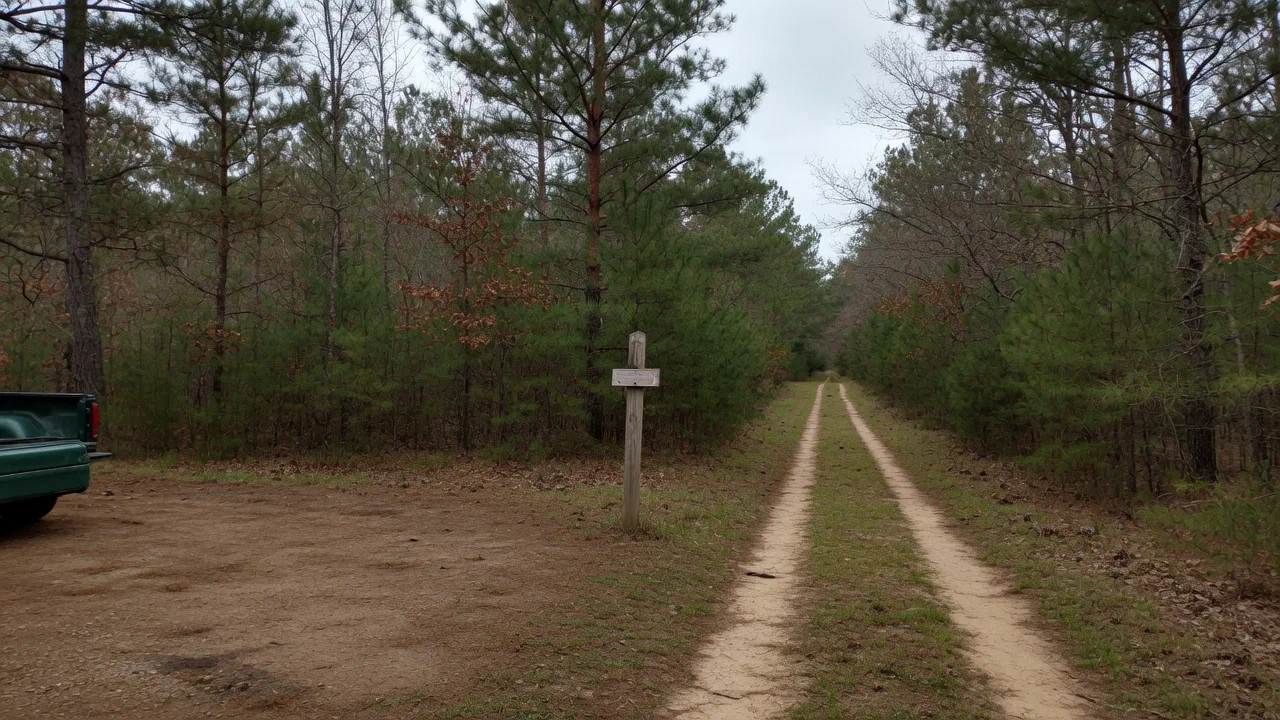
Wildlife Management Areas (WMAs)
- Acres: Approximately 1.4 million across more than 1,400 properties
- WMAs are the backbone of public hunting in Minnesota, managed specifically for wildlife habitat and hunting access.
- Found in every region of the state, from the prairie pothole country of the southwest to the boreal forests of the northeast.
- Excellent for whitetail deer, waterfowl, pheasant, turkey, and small game.
- Many WMAs in the western half of the state provide outstanding waterfowl hunting over managed wetlands and shallow lakes.
Superior National Forest
- Acres: Approximately 3.9 million (federal, state, and private inholdings)
- Located in northeastern Minnesota, stretching from the Boundary Waters Canoe Area Wilderness south to the Iron Range.
- Premier habitat for black bear, ruffed grouse, whitetail deer, and timber wolves (not huntable).
- The Boundary Waters Canoe Area Wilderness within the forest is open to hunting with some access restrictions (no motors, portage required).
- No additional access permit required beyond standard Minnesota hunting licenses and applicable federal regulations.
Chippewa National Forest
- Acres: Approximately 666,000 (federal ownership within the proclamation boundary)
- Located in north-central Minnesota around the Leech Lake and Cass Lake areas.
- Strong populations of whitetail deer, black bear, ruffed grouse, and turkey.
- The forest includes a mix of federal, state, county, and tribal lands, so hunters should verify land ownership on individual parcels.
State Forests
- Acres: More than 4 million
- Minnesota maintains an extensive state forest system managed by the DNR Division of Forestry.
- Major state forests include Richard J. Dorer Memorial Hardwood State Forest in the southeast (outstanding whitetail deer and turkey habitat), Nemadji State Forest in the northeast, and Pillsbury State Forest in central Minnesota.
- Most state forest land is open to hunting during applicable seasons with no special access permit required.
County Forests and Tax-Forfeited Lands
- Acres: Millions of additional acres, primarily in northern Minnesota
- County-managed lands, including tax-forfeited parcels, are open to public hunting in most cases.
- These lands are often interspersed with state and federal lands, creating large blocks of accessible habitat.
- Especially valuable in the northern third of the state for deer, bear, and grouse hunting.
National Wildlife Refuges
- Minnesota has several national wildlife refuges open to hunting, including the Upper Mississippi River National Wildlife and Fish Refuge, Sherburne National Wildlife Refuge, Agassiz National Wildlife Refuge, and Tamarac National Wildlife Refuge.
- Refuge hunting is subject to federal regulations and may have species-specific restrictions, limited seasons, or designated hunting areas.
- Outstanding waterfowl and deer opportunities on many refuges.
Tip: Northern Minnesota offers the highest density of public land. Hunters in the southern and western parts of the state should focus on WMAs, Walk-In Access properties, and state wildlife refuges for access.
2. Walk-In Access (WIA) Program
Minnesota’s Walk-In Access program is a critical resource for hunters in agricultural regions where public land is scarce1.
- The DNR enrolls private landowners who agree to open their property to public hunting during specified seasons.
- WIA properties are marked with signs at access points and are mapped on the DNR’s Recreation Compass online mapping tool.
- The program is concentrated in the prairie and farmland regions of western and southern Minnesota.
- WIA lands are particularly valuable for pheasant, waterfowl, and whitetail deer hunting.
- Access is free beyond standard license requirements.
- Hunters should check the DNR website for updated WIA maps each year, as enrolled properties can change annually.
3. Private Hunting Land in Minnesota
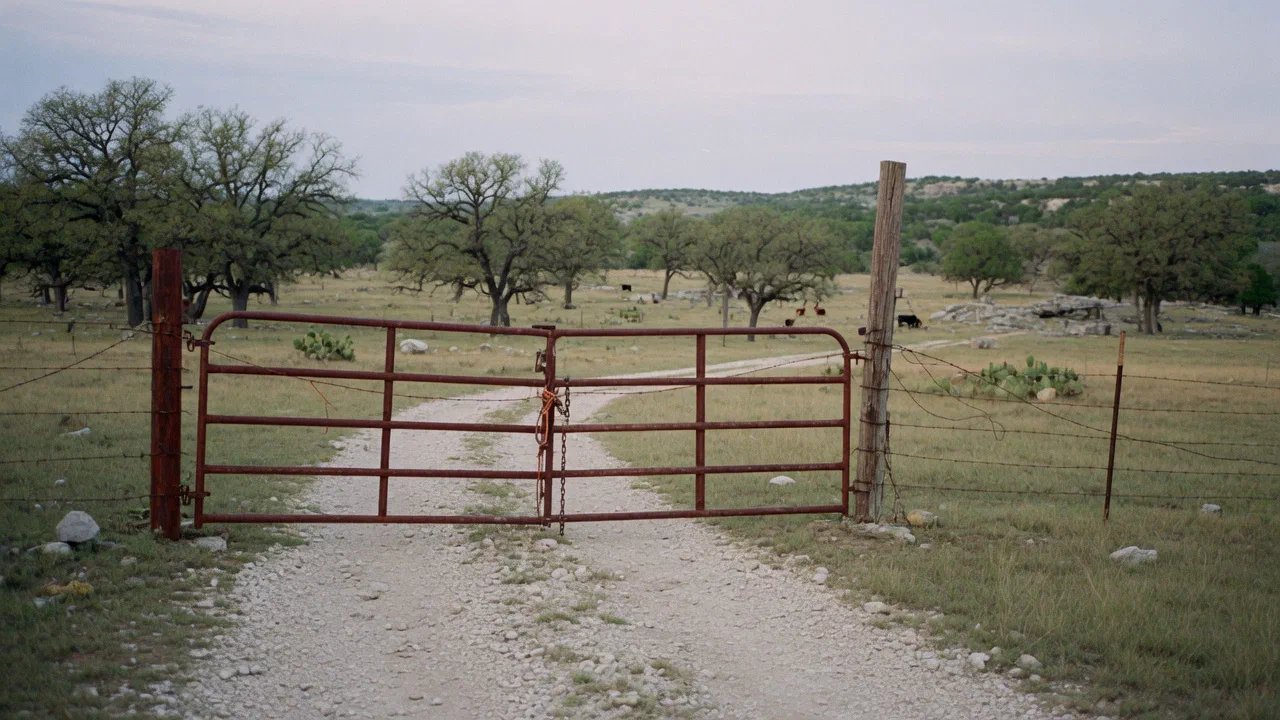
Private land hunting is common throughout Minnesota, particularly in the agricultural regions of the south and west where public land is less abundant.
| Private Access Type | Pros | Cons | Best For |
|---|---|---|---|
| Hunting Leases | Exclusive access, less pressure, scout pre-season | Annual cost, competitive in prime areas | Whitetail deer, turkey |
| CRP and Farmland Permission | Free if granted, productive habitat | Requires relationship building, access not guaranteed | Pheasant, waterfowl, deer |
| Guided Hunts | Expert knowledge, high success potential | Higher cost per hunt | Black bear, waterfowl, trophy deer |
| Day Hunts | Low commitment, flexible | Limited scouting, may face pressure | Waterfowl, pheasant |
Hunting Leases
- Seasonal or annual lease agreements with private landowners are common in southern and western Minnesota.
- Prime whitetail deer leases in the farmland regions can be competitive, especially in counties known for producing mature bucks.
- Lease agreements should clearly define species, methods, number of hunters, stand placement, and liability.
CRP and Farmland Access
- Minnesota has significant Conservation Reserve Program (CRP) enrollment, particularly in the western and southern counties.
- CRP lands provide excellent pheasant, waterfowl, and deer habitat. Some landowners allow hunting access with permission.
- Building relationships with farmers is the most effective way to secure private land access in agricultural areas.
- Approaching landowners well before the season, offering to help with property tasks, and always asking permission in person are best practices.
Guided Hunts
- Licensed outfitters and guides operate across Minnesota, with black bear hunts, waterfowl hunts, and pheasant hunts being particularly popular.
- Bear hunting guides in northern Minnesota provide bait station setups, lodging, and local expertise for hunters who have drawn a bear tag.
- Waterfowl guides operate in the prairie pothole region and along major river systems, offering access to managed fields and wetlands.
4. Popular Game and Where to Find Them
Minnesota’s varied landscape supports a wide range of game species. For detailed season dates, see our Minnesota hunting seasons page.
| Game Species | Public Land Opportunities | Private Land Opportunities |
|---|---|---|
| Whitetail Deer | WMAs, state forests, national forests, county lands statewide | Farmland leases and CRP access in south and west |
| Turkey | State forests (especially SE MN), WMAs, national forests | Permission-based access on farmland |
| Black Bear | Superior NF, Chippewa NF, state forests in northern MN | Guided hunts with bait stations |
| Waterfowl | WMAs, NWRs, WIA lands in western MN, Mississippi River | Managed wetlands, flooded agricultural fields |
| Ruffed Grouse | National forests, state forests, county forests in northern MN | Limited; primarily a public land pursuit |
| Pheasant | WMAs and WIA lands in southwestern and west-central MN | CRP lands and farmland with permission |
| Moose | Superior NF (extremely limited lottery) | Not applicable |
| Elk | NW Minnesota (extremely limited lottery) | Not applicable |
Note: Chronic Wasting Disease (CWD) management zones in southeastern Minnesota affect deer hunting rules, including mandatory sampling and carcass transport restrictions. Always check current CWD zone maps on the DNR website before hunting1.
5. Choosing Your Minnesota Hunting Land
When selecting between public and private options, consider:
- Budget: Public land is free beyond license costs. WMAs, state forests, and national forests provide millions of acres of no-cost access. Leases and guided hunts add significant expense.
- Target Species: Grouse hunters will find the best opportunities on public land in the north. Pheasant hunters should focus on WIA and WMA lands in the southwest. Bear hunters need to plan years ahead for preference points.
- Location: Northern Minnesota is rich in public land for deer, bear, and grouse. Southern Minnesota requires more effort to find access but holds excellent whitetail deer, turkey, and pheasant populations.
- CWD Zones: If hunting in southeastern Minnesota, understand CWD regulations that may affect carcass handling and transport.
- Season Timing: The firearms deer season in November sees heavy pressure on public land. Consider archery, muzzleloader, or early seasons for reduced competition.
- Experience Level: New hunters benefit from guided hunts or the apprentice hunter validation program offered by the DNR.
6. Regulations and Safety
Before hunting in Minnesota:
- License and Permits: A valid Minnesota hunting license is required. Additional stamps or permits apply for certain species. See Minnesota hunting regulations.
| License/Permit | Residency | Fee | Includes |
|---|---|---|---|
| Resident Deer Firearms License (code 212) | Resident | $34.00 | one deer tag (firearm seasons) |
| Resident Deer Archery License (code 213) | Resident | $34.00 | one deer tag (archery season) |
| Resident Deer Muzzleloader License (code 203) | Resident | $34.00 | one deer tag (muzzleloader season) |
| Resident Small Game License (code 211) | Resident | $22.00 | small game hunting |
| Resident Small Game License (code 211) | Resident | $22.00 | small game hunting |
| Resident Small Game License, Senior 65+ (code 100) | Resident | $13.50 | small game hunting |
| Resident Small Game License, Youth 16-17 (code 208) | Resident | $5.00 | small game hunting |
| Nonresident Deer Firearms License (code 222) | Nonresident | $185.00 | one deer tag (firearm seasons) |
| Nonresident Deer Archery License (code 223) | Nonresident | $185.00 | one deer tag (archery season) |
| Nonresident Small Game License (code 221) | Nonresident | $102.00 | small game hunting |
| Nonresident Small Game License (code 221) | Nonresident | $102.00 | small game hunting |
| Resident Bear License (code 660) | Resident | $44.00 | one bear tag |
| Nonresident Bear License (code 661) | Nonresident | $230.00 | one bear tag |
| Resident Spring Turkey License, Firearm (code 610) | Resident | $26.00 | one spring turkey tag |
| Nonresident Spring Turkey License (code 611) | Nonresident | $96.00 | one spring turkey tag |
| Resident Youth Deer License, ages 13-17 (codes 209/210/204) | Resident | $5.00 | one deer tag |
| Resident Antlerless Deer Bonus Permit (code 430) | Resident | $18.00 | one antlerless deer tag |
| State Waterfowl Stamp Validation (code 226) | Any | $7.50 | state waterfowl hunting privilege |
| Pheasant Stamp Validation (code 229) | Any | $7.50 | pheasant hunting privilege |
- Hunter Education: Required for anyone born after December 31, 1979. Minnesota offers classroom, online, and apprentice options.
- Bag Limits and Seasons: Vary by species, deer permit area, and weapon type. Consult the Minnesota DNR hunting page1.
- Safety:
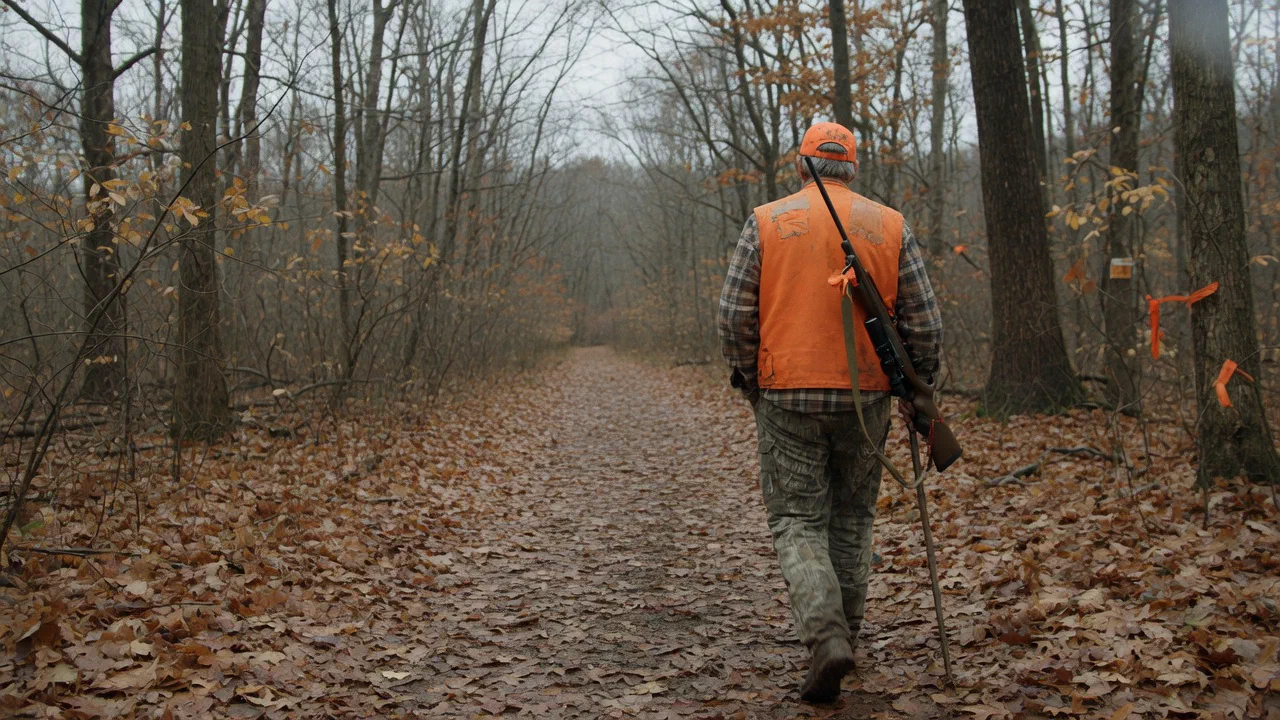
- Blaze orange is required during the firearms deer and bear seasons. A cap plus one upper body garment must be visible from all directions.
- Know your target and what is beyond it.
- Follow all tree stand safety guidelines.
- Trespassing on private land without permission is illegal regardless of whether the land is posted.
7. Quick Access Comparison
| Access Type | Approximate Acreage | Permit Needed | Typical Game |
|---|---|---|---|
| WMAs | 1.4M | MN license | Deer, waterfowl, pheasant, turkey |
| Superior National Forest | 3.9M | MN license | Bear, deer, grouse, moose |
| Chippewa National Forest | 666K | MN license | Deer, bear, grouse, turkey |
| State Forests | 4M+ | MN license | Deer, bear, grouse, small game |
| County/Tax-Forfeited Lands | Millions | MN license | Deer, bear, grouse |
| Walk-In Access (WIA) | Varies annually | MN license (free access) | Pheasant, waterfowl, deer |
| National Wildlife Refuges | Varies | MN license + federal rules | Waterfowl, deer |
| Private Lease | Varies | Lease agreement | Trophy deer, turkey, pheasant |
| Guided Hunt | Varies | Outfitter booking | Bear, waterfowl, deer |
Final Checklist
Minnesota’s combination of massive public land holdings, the Walk-In Access program, and productive private farmland makes it one of the most accessible hunting states in the country. Whether you are hiking into the Superior National Forest for grouse and bear, walking WMA grasslands for pheasant, setting decoys on a prairie pothole for waterfowl, or sitting a stand in the southeastern hardwoods for whitetail deer, Minnesota rewards hunters who plan ahead, respect the land, and follow state regulations.
- Confirm rules on the Minnesota DNR website.
- Download maps from the DNR Recreation Compass for offline use.
- Verify all licenses, stamps, tags, and permits before heading afield.
- Review CWD zone rules if hunting in southeastern Minnesota.
- Pack blaze orange, safety gear, and weather-appropriate clothing.
Last verified: September 5, 2026 — Official source
More Minnesota Hunting Resources
For reference only. This page summarizes agency publications and is not legal advice or an official source; confirm dates, limits and fees with the state wildlife agency before you hunt. Regulations change mid-season. Send a correction if you spot an error. Disclaimer.