Wyoming offers nearly 30 million acres of publicly owned land, making it one of the best states in the country for public land hunting. Combined with generous tag allocations for species like pronghorn and a culture that values open-space access, Wyoming is a top-tier destination for hunters pursuing elk, mule deer, pronghorn, black bear, and a range of upland and migratory birds. The challenge in Wyoming is often not finding public land but navigating the patchwork of public and private ownership to reach it. 1
1. Public Hunting Land in Wyoming
Approximately 48 percent of Wyoming is publicly owned, with the majority managed by the Bureau of Land Management and the U.S. Forest Service. State trust lands and national wildlife refuges add to the total.
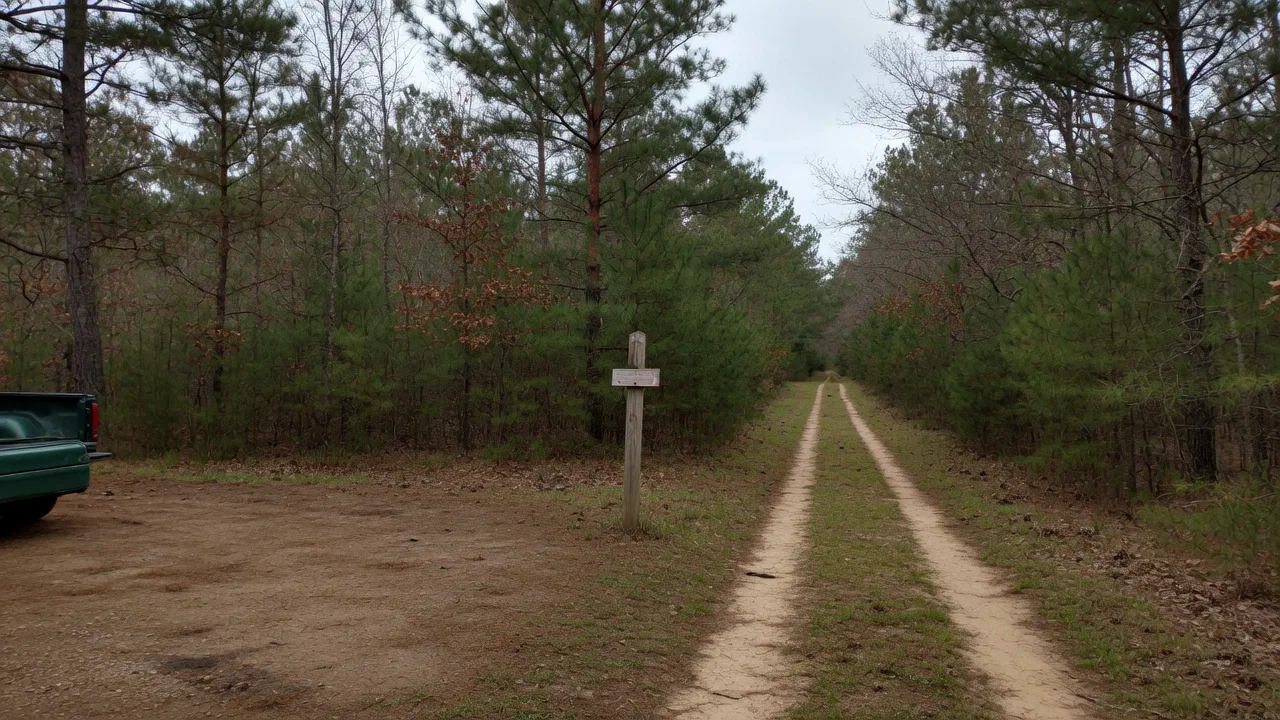
Bureau of Land Management (BLM)
The BLM manages approximately 18 million acres in Wyoming, making it the single largest land manager in the state. BLM lands are dispersed across central, southern, and western Wyoming, covering vast tracts of sagebrush steppe, badlands, desert, and foothill terrain.
| BLM Field Office | Region | Primary Game |
|---|---|---|
| Casper Field Office | Central Wyoming | Pronghorn, mule deer, sage grouse |
| Rawlins Field Office | South-central Wyoming | Pronghorn, mule deer, elk |
| Rock Springs Field Office | Southwest Wyoming | Pronghorn, mule deer, elk |
| Lander Field Office | West-central Wyoming | Elk, mule deer, pronghorn, black bear |
| Cody Field Office | Northwest Wyoming | Elk, mule deer, bear, bighorn sheep |
| Worland Field Office | North-central Wyoming | Mule deer, pronghorn, upland birds |
| Buffalo Field Office | Northeast Wyoming | Mule deer, pronghorn, whitetail deer, turkey |
| Newcastle Field Office | Eastern Wyoming | Mule deer, pronghorn, whitetail deer, turkey |
BLM lands are generally open to hunting without special permits beyond standard state licenses and tags. However, access can be complicated by the checkerboard ownership pattern in parts of Wyoming, where alternating sections of public and private land make it difficult to reach BLM parcels without crossing private property. Carry detailed maps and verify legal access before hunting BLM land.
National Forests
Wyoming’s four national forests cover millions of acres of mountain habitat and provide the backbone of big game hunting in the state.
| National Forest | Acres (approx.) | Region | Key Species |
|---|---|---|---|
| Bridger-Teton National Forest | 3.4 million | Western Wyoming | Elk, mule deer, moose, bear, bighorn sheep, grouse |
| Shoshone National Forest | 2.4 million | Northwest Wyoming | Elk, mule deer, bear, bighorn sheep, mountain goat, grouse |
| Bighorn National Forest | 1.1 million | North-central Wyoming | Elk, mule deer, bear, turkey, grouse |
| Medicine Bow-Routt National Forest | 1.1 million (WY portion) | Southeast Wyoming | Elk, mule deer, bear, grouse |
National Forests in Wyoming provide critical elk and mule deer habitat in the major mountain ranges. Road access varies by forest and season, with many areas closing roads during hunting season to reduce motorized disturbance. Check the specific forest’s Motor Vehicle Use Map (MVUM) for current road and trail access.
The Bridger-Teton and Shoshone National Forests in western Wyoming border Yellowstone and Grand Teton National Parks, creating a vast wildlife corridor that supports some of the largest elk herds in North America.
State Trust Lands
Wyoming manages approximately 3.6 million acres of state trust land. These lands are open to public hunting with a valid hunting license, but access is the primary challenge. Many state trust land sections are landlocked by private property with no legal road access. WGFD and the Wyoming Office of State Lands work to improve access, but hunters must verify legal access routes before hunting state trust land.
State trust lands are scattered across the state in a pattern resulting from federal land grants. They provide hunting opportunities for pronghorn, mule deer, upland birds, and other game, particularly in eastern Wyoming where national forests and BLM lands are less prevalent.
National Wildlife Refuges
Several national wildlife refuges in Wyoming provide seasonal hunting access:
- National Elk Refuge near Jackson: Limited elk hunting during specific seasons.
- Seedskadee National Wildlife Refuge near Green River: Waterfowl and upland bird hunting.
- Hutton Lake National Wildlife Refuge near Laramie: Waterfowl hunting.
- Bamforth National Wildlife Refuge near Laramie: Seasonal waterfowl access.
Hunting on wildlife refuges requires compliance with both federal refuge regulations and state hunting regulations.
2. Walk-In Areas (Access Yes! Program)
Wyoming’s Access Yes! program is one of the most valuable tools for public hunters, particularly in eastern and central Wyoming where private land dominates the landscape. 1
How It Works
- WGFD pays private landowners to open their property to walk-in hunting access.
- Access Yes! areas are marked with distinctive signs and mapped on the WGFD website and in printed atlases.
- Hunters must have a valid Wyoming hunting license and follow the specific rules posted for each property.
- Vehicle access is typically prohibited. Hunters must walk in from designated access points.
- The program is funded through hunting license revenue and conservation partnerships.
Benefits for Hunters
- Access to private farmland, rangeland, and river bottoms that would otherwise be closed.
- Excellent opportunities for pronghorn, mule deer, whitetail deer, pheasant, sharp-tailed grouse, and waterfowl.
- Often less hunting pressure than nearby public land.
- Free to use with a valid hunting license.
Tip: Download or print Access Yes! maps before your trip. Cell coverage is extremely limited in much of rural Wyoming.
3. Private Hunting Land in Wyoming
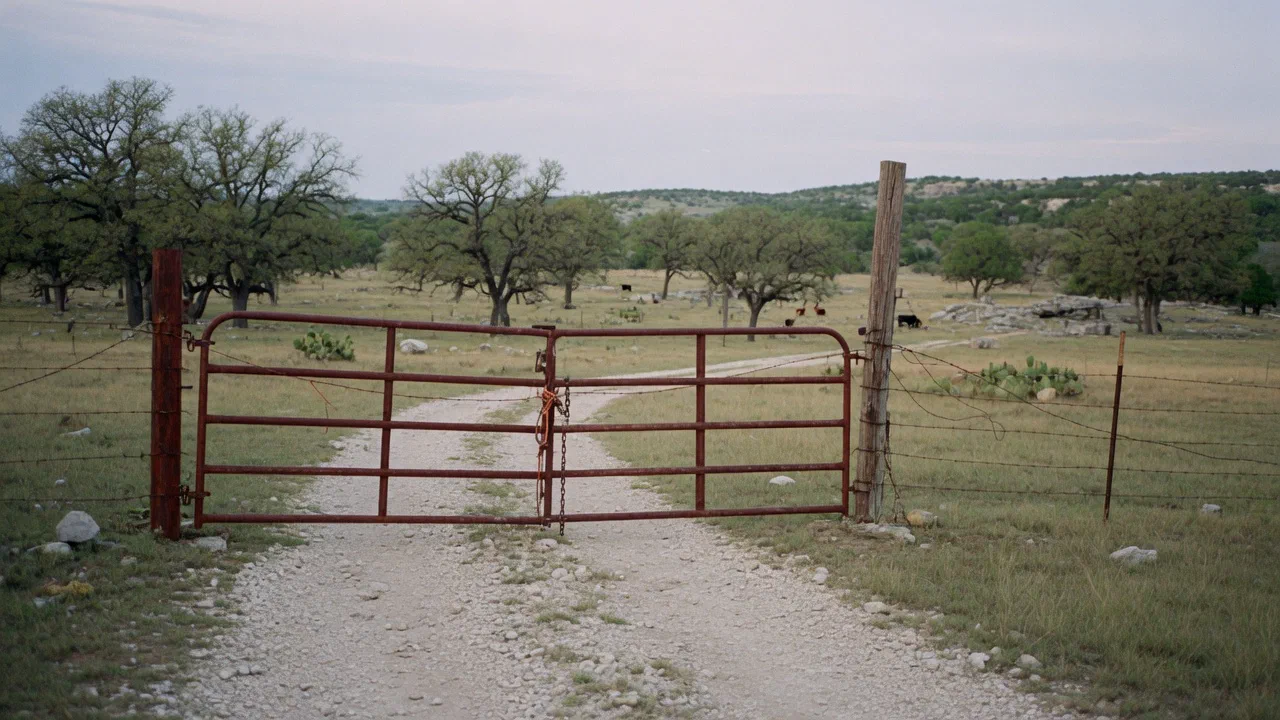
Approximately 52 percent of Wyoming is privately owned, predominantly large cattle and sheep ranches. Private land access is important for hunters targeting species in areas where public land is limited or landlocked.
| Private Access Type | Pros | Cons | Best For |
|---|---|---|---|
| Outfitted Hunts | Expert knowledge, pack trips into remote areas, high success | Expensive, especially for non-residents | Elk, mule deer, bighorn sheep, moose |
| Ranch Leases | Consistent access, less pressure, local knowledge | Annual cost, availability varies | Pronghorn, mule deer, whitetail deer, turkey |
| Trespass Fee Hunts | Pay per day or per hunt, flexible | Costs vary, less control over timing | Pronghorn, deer, upland birds |
| Permission Hunting | Free, builds relationships with landowners | Requires effort, no guarantee | Pronghorn, deer, upland birds |
| Access Yes! Areas | Free walk-in access to private land | Limited areas, walk-in only | Pronghorn, deer, pheasant, waterfowl |
Outfitters and Guides
Wyoming has a strong outfitting tradition, particularly in the western mountains. Licensed outfitters offer guided pack trips into the Bridger-Teton and Shoshone wilderness areas for elk, mule deer, and bear. These hunts often involve horseback travel into remote backcountry camps and are among the most iconic hunting experiences in North America. Outfitter costs are significant, but success rates in quality areas can be high.
Ranch Access
Many Wyoming ranches offer hunting access through fee arrangements or seasonal leases. Ranch hunting is particularly popular for pronghorn and mule deer in eastern and central Wyoming, where private rangeland holds excellent game populations. Building long-term relationships with ranching families can lead to consistent, high-quality hunting access.
Landowner Permission
Wyoming law requires permission to hunt on private land, and posted land is clearly marked with signs. Hunters should always seek explicit permission before hunting on any private property. Many ranchers are willing to grant access to respectful hunters who ask in person, well before the season opens.
4. Popular Game Species and Where to Hunt Them
Wyoming’s habitat diversity and low human population density support some of the healthiest game populations in North America.
| Game Species | Best Public Land | Best Private/Access Yes! Land |
|---|---|---|
| Elk | Bridger-Teton NF, Shoshone NF, Bighorn NF | Outfitted wilderness hunts, ranch access |
| Mule Deer | BLM sagebrush, national forests, state trust land | Eastern Wyoming ranches, Access Yes! areas |
| Whitetail Deer | River bottom BLM, state trust lands | Eastern Wyoming river bottom ranches |
| Pronghorn | BLM steppe, state trust land | Access Yes! walk-in areas, ranch access |
| Black Bear | Shoshone NF, Bridger-Teton NF, Bighorn NF | Outfitted mountain hunts |
| Moose | Bridger-Teton NF, Shoshone NF | Limited; primarily public land hunts |
| Bighorn Sheep | Shoshone NF, Whiskey Mountain, Bighorn NF | Limited; primarily public land hunts |
| Turkey | Bighorn NF, Black Hills NF | Private ranch access in foothills |
| Sage Grouse | BLM sagebrush steppe | Access Yes! grasslands |
| Pheasant | Walk-in areas, BLM irrigated areas | Access Yes! farm fields, private ranches |
| Waterfowl | NWRs, river corridors, reservoirs | Access Yes! river bottoms, private fields |
5. Navigating the Checkerboard
One of the unique challenges of hunting in Wyoming is the checkerboard ownership pattern in parts of the state. This pattern, a legacy of railroad land grants, creates alternating sections of public and private land, making it difficult to access public parcels without crossing private property.
Tips for navigating the checkerboard:
- Use detailed land ownership maps. WGFD hunt planner maps and commercial products like onX Hunt show property boundaries.
- Look for legal access routes. County roads, BLM roads, and state highways may provide legal access to public sections.
- Do not corner-cross without understanding the current legal status. Corner-crossing (stepping diagonally from one public section to another across a private corner) has been the subject of ongoing legal disputes in Wyoming.
- Contact the local BLM field office for access information in your hunt area.
- Consider Access Yes! areas that adjoin public land to create contiguous hunting access.
6. Regulations and Safety
Before hunting in Wyoming:
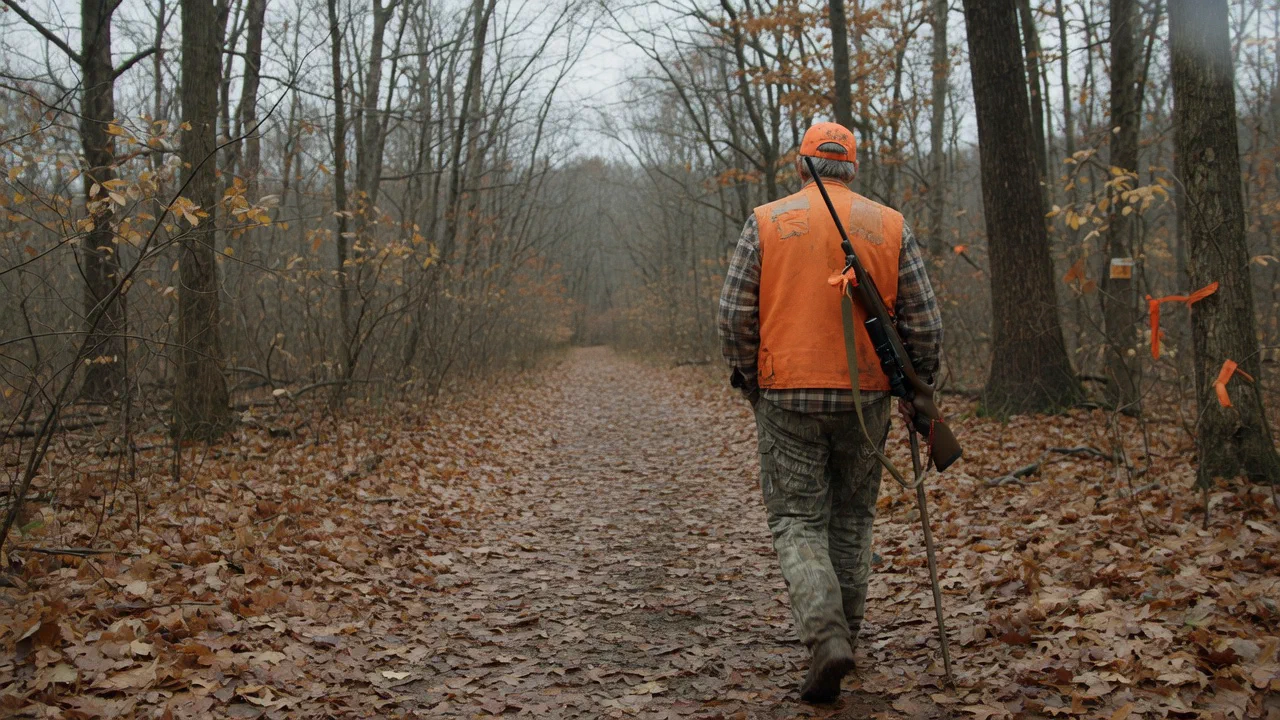
- License and Tags: A valid Wyoming hunting license and conservation stamp are required, plus species-specific tags. Limited quota tags require a successful draw. See Wyoming hunting regulations.
| License/Permit | Residency | Fee | Includes |
|---|---|---|---|
| Resident Game Bird/Small Game License (12-month) | Resident | $27.00 | game bird hunting, small game hunting |
| Nonresident Game Bird/Small Game License (12-month) | Nonresident | $74.00 | game bird hunting, small game hunting |
| Conservation Stamp (12-month) | Any | $21.50 | conservation stamp |
| Resident Elk License | Resident | $57.00 | elk license |
| Nonresident Elk License (includes fishing privilege) | Nonresident | $692.00 | elk license, fishing privilege |
| Resident Deer License | Resident | $42.00 | deer license |
| Nonresident Deer License | Nonresident | $374.00 | deer license |
| Resident Antelope License | Resident | $37.00 | antelope license |
| Nonresident Antelope License | Nonresident | $326.00 | antelope license |
| Resident Black Bear License | Resident | $47.00 | black bear license |
| Nonresident Black Bear License | Nonresident | $373.00 | black bear license |
| Resident Mountain Lion License | Resident | $32.00 | mountain lion license |
| Nonresident Mountain Lion License | Nonresident | $373.00 | mountain lion license |
| Resident Moose License | Resident | $152.00 | moose license |
| Nonresident Moose License | Nonresident | $2752.00 | moose license |
| Resident Bighorn Sheep License | Resident | $152.00 | bighorn sheep license |
| Nonresident Bighorn Sheep License | Nonresident | $3002.00 | bighorn sheep license |
| Resident Mountain Goat License | Resident | $152.00 | mountain goat license |
| Nonresident Mountain Goat License | Nonresident | $2752.00 | mountain goat license |
| Resident Wild Turkey License (spring or fall) | Resident | $16.00 | turkey license |
| Nonresident Wild Turkey License (spring or fall) | Nonresident | $74.00 | turkey license |
| Resident Archery License | Resident | $16.00 | archery license |
| Nonresident Archery License | Nonresident | $72.00 | archery license |
| Resident Application Fee | Resident | $5.00 | drawing application |
| Nonresident Application Fee | Nonresident | $15.00 | drawing application |
| Nonresident Elk Preference Point | Nonresident | $52.00 | preference point |
| Nonresident Deer Preference Point | Nonresident | $41.00 | preference point |
| Nonresident Antelope Preference Point | Nonresident | $31.00 | preference point |
| Federal Duck Stamp | Any | $29.00 | federal migratory bird hunting and conservation stamp |
- Season Dates: Verify current season dates for your hunt area and weapon type. See Wyoming hunting seasons.
- Hunter Education: Required for hunters born on or after January 1, 1966.
- Hunter Orange: Required during all big game firearm seasons.
- CWD Testing: Mandatory in designated surveillance areas.
- Reporting: Mandatory harvest reporting within specified timelines.
7. Quick Access Comparison
| Access Type | % of Wyoming Land | Permit Needed | Typical Game |
|---|---|---|---|
| BLM Land | ~29% | Standard license and tags | Pronghorn, mule deer, sage grouse |
| National Forest | ~13% | Standard license and tags | Elk, mule deer, bear, grouse |
| State Trust Land | ~6% | Standard license and tags | Pronghorn, deer, upland birds |
| Access Yes! Walk-In | Varies | Standard license and tags | Pronghorn, deer, pheasant, waterfowl |
| NWR/Federal | <1% | Refuge permits may apply | Waterfowl, elk (limited) |
| Private Ranch/Outfitter | ~52% | Outfitter booking or permission | Trophy elk, mule deer, pronghorn |
Final checklist
- Confirm rules on the official WGFD website.
- Verify your license, tags, conservation stamp, and limited quota draw results.
- Save land ownership and access maps for offline use.
- Pack essentials and review safety rules before you leave.
Wyoming’s 30 million acres of public land, combined with the Access Yes! walk-in program and a strong outfitting tradition, make it one of the most accessible and productive hunting states in the West. The challenges of checkerboard ownership and landlocked state land require careful map study and planning, but the reward is hunting some of the healthiest big game herds and most spectacular landscapes on the continent.
Last verified: September 5, 2026 — Official source
More Wyoming Hunting Resources
For reference only. This page summarizes agency publications and is not legal advice or an official source; confirm dates, limits and fees with the state wildlife agency before you hunt. Regulations change mid-season. Send a correction if you spot an error. Disclaimer.