Hunting near Cedar Rapids, Iowa puts you within easy reach of some of the state’s best waterfowl habitat along the Mississippi River, productive whitetail deer timber in eastern Iowa, and quality turkey hunting in the surrounding hill country. Eastern Iowa is a diverse hunting region with river bottom wetlands, timbered bluffs, and agricultural uplands all within a short drive of the city. This guide covers practical steps for planning hunts from the Cedar Rapids area.
Start with official rules
Begin with the Iowa Department of Natural Resources (Iowa DNR) regulations and season dates. Cedar Rapids is your base, but the county or zone you hunt in will determine the specific rules.
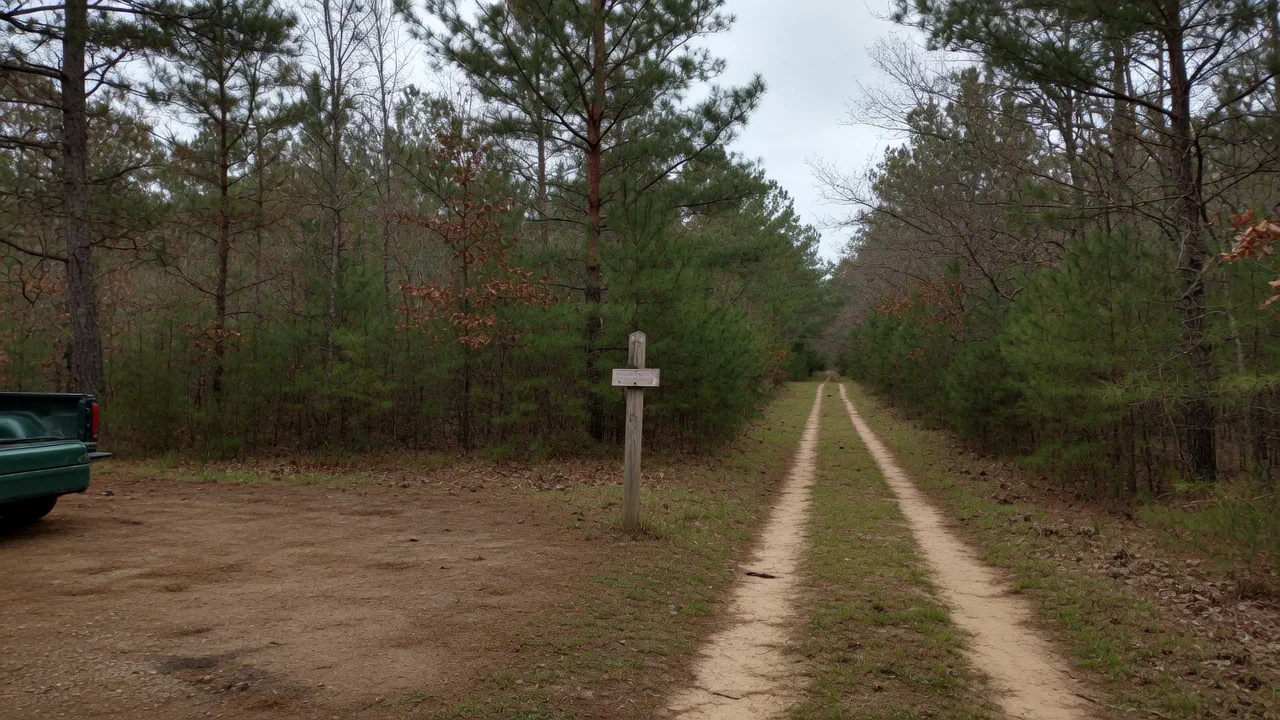 Checklist for this step:
- Confirm current season dates and legal methods for your species.
- Verify license, tag, habitat fee, and stamp requirements.
- Review zone rules and any special area restrictions.
Use these internal resources as a starting point:
Understand access types near Cedar Rapids
Eastern Iowa hunters benefit from proximity to the Mississippi River corridor and several quality public hunting areas. Building a plan with multiple options ensures you are not relying on a single property.
Mississippi River Bottoms
The Mississippi River corridor east of Cedar Rapids is one of the premier waterfowl hunting areas in the Midwest. The Upper Mississippi River National Wildlife and Fish Refuge stretches along Iowa’s eastern border and provides extensive public hunting access in river backwaters, sloughs, and flooded timber. Duck hunting in this corridor can be outstanding during peak migration, particularly for mallards, wood ducks, and diving ducks. Goose hunting is also productive along the river.
Hawkeye Wildlife Management Area
The Hawkeye WMA complex in Johnson and Iowa counties is one of the larger public hunting areas near Cedar Rapids. It offers habitat for deer, turkey, waterfowl, and small game. The mix of timber, grassland, and wetland makes it a versatile destination for hunters pursuing different species throughout the season.
Coralville Lake
Coralville Lake, managed by the Army Corps of Engineers, is located just west of Iowa City and within easy driving distance of Cedar Rapids. The public lands surrounding the reservoir provide hunting access for deer, turkey, waterfowl, and small game. Timbered ridges and creek bottoms in the area hold solid deer populations.
Additional WMAs and State Land
Eastern Iowa has numerous WMAs within one to two hours of Cedar Rapids. The Iowa DNR hunting atlas shows all public hunting areas with detailed maps, access points, and habitat descriptions. State forests in northeast Iowa, such as Yellow River State Forest, offer excellent deer and turkey hunting in more rugged terrain.
Private Land
Eastern Iowa is productive agricultural country with good deer and turkey populations. Gaining access to private land through permission or hunting leases opens up territory with less pressure. Competition for private land access in trophy deer counties is significant. Approach landowners early and respectfully.
Start with the Iowa hunting land guide and the Public land guide.
Build a realistic travel plan
From Cedar Rapids, the Mississippi River corridor is 60 to 90 minutes east. Quality WMAs and timber hunting areas are scattered within 30 minutes to an hour in most directions. Plan for drive time and daylight.
Practical planning tips:
- Set a primary area and a backup area within a reasonable drive.
- Mark access points and parking before you arrive.
- Account for slow travel on rural roads and potential river road closures in wet conditions.
- Waterfowl hunts on the Mississippi require early starts and boat access in many areas.
Scout efficiently
Eastern Iowa scouting focuses on timber edges, creek drainages, oak ridges for deer, and water features for waterfowl. River conditions change with water levels, so waterfowl hunters should monitor flows.
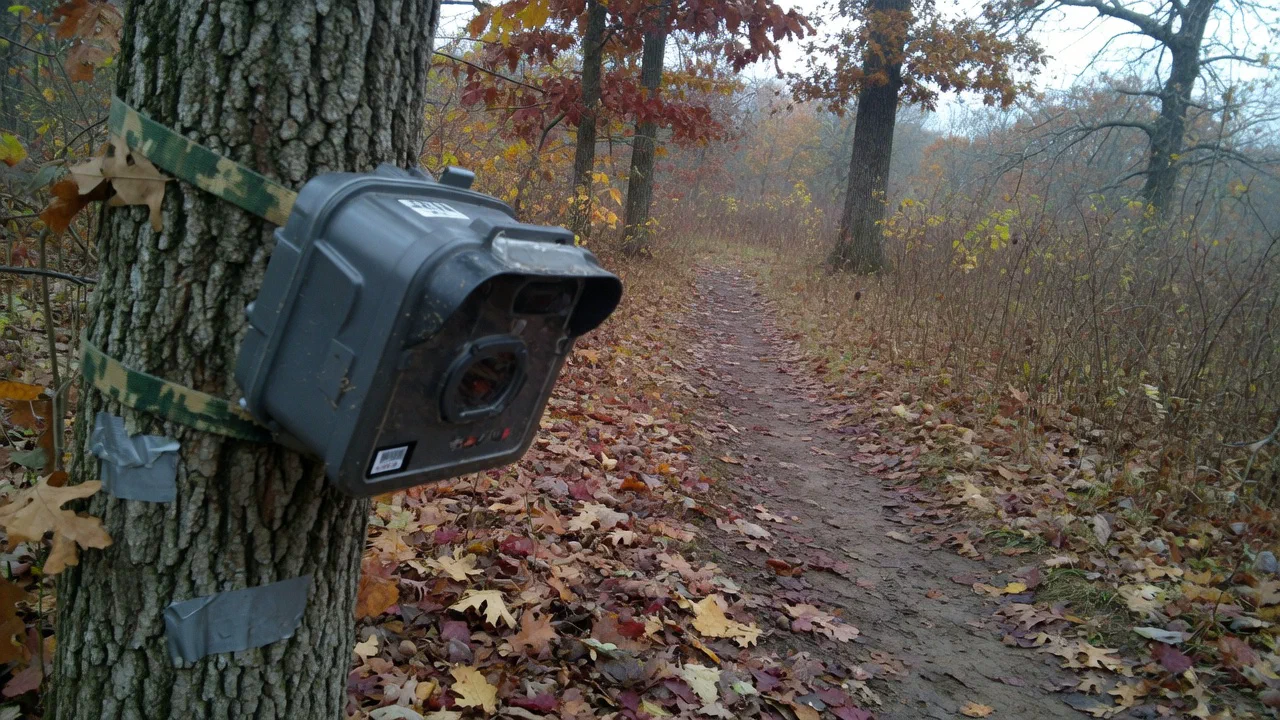 Scouting checklist:
- Use maps to locate timbered ridges, crop fields, and river access points.
- Walk short loops to confirm deer sign and travel patterns.
- For waterfowl, check water levels and identify feeding and roosting areas.
- Note other hunter activity at public access points.
- Save key locations in your mapping app.
Learn more in Scouting basics.
Plan for weather and safety
Eastern Iowa weather from October through January includes everything from warm early fall days to frigid winter conditions. River hunting adds wind chill and water hazards.
Safety basics:
- Share your route and expected return time.
- Carry water, calories, a light, and a basic first aid kit.
- For river hunts, wear a life jacket and file a float plan.
- Layer clothing for cold, wind, and wet conditions.
Use Weather and safety planning for a simple checklist.
Choose gear that matches your hunt
Eastern Iowa’s varied terrain means gear selection depends heavily on your target species and hunting area.
Gear basics:
- Waterproof boots for river bottoms and muddy timber.
- Waders for waterfowl hunting along the Mississippi.
- Warm layers for late-season deer and goose hunting.
- A quality day pack with navigation tools.
- Field care kit.
See Gear reviews and Best hunting boots.
Ethics and respect
Good hunting starts with respect for land, people, and wildlife. Follow all rules, pack out trash, respect gates and boundary fences, and report your harvest as required. On the Mississippi River corridor, be mindful of other hunters and respect refuge boundaries.
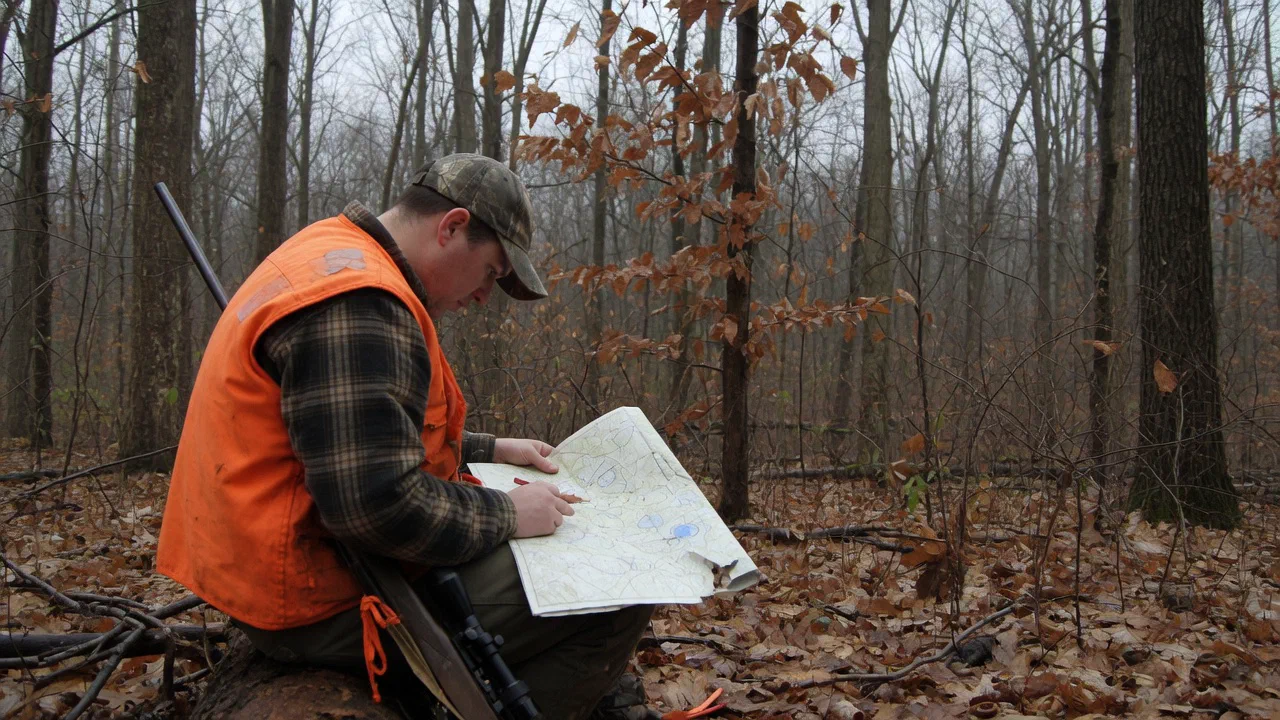
Local planning checklist
Use this list for any hunt near Cedar Rapids:
- Pick a species and season window.
- Confirm license, tag, and habitat fee requirements.
- Select a primary area and a backup area.
- Scout access points and parking.
- Build a packing list based on weather and terrain.
Helpful next steps:
Final checklist
- Confirm rules on the official Iowa DNR website.
- Apply for deer tags and build preference points well before deadlines.
- Save maps for offline use.
- Pack essentials and verify tags.
- Review safety and access rules before you leave.
For reference only. This page summarizes agency publications and is not legal advice or an official source; confirm dates, limits and fees with the state wildlife agency before you hunt. Regulations change mid-season. Send a correction if you spot an error. Disclaimer.