Hunting near Richmond, Virginia puts you in the heart of the piedmont, one of the state’s most productive regions for whitetail deer and turkey. The rolling agricultural landscape and hardwood forests surrounding the capital support healthy game populations, and several DWR-managed areas are within easy driving distance. Always confirm legal requirements and season details on the official DWR website.
Start with official rules
Begin with the Virginia Department of Wildlife Resources regulations and season dates. Richmond sits in the central piedmont, and the counties surrounding the city fall east of the Blue Ridge, where deer bag limits tend to be more liberal and either-sex days more frequent.
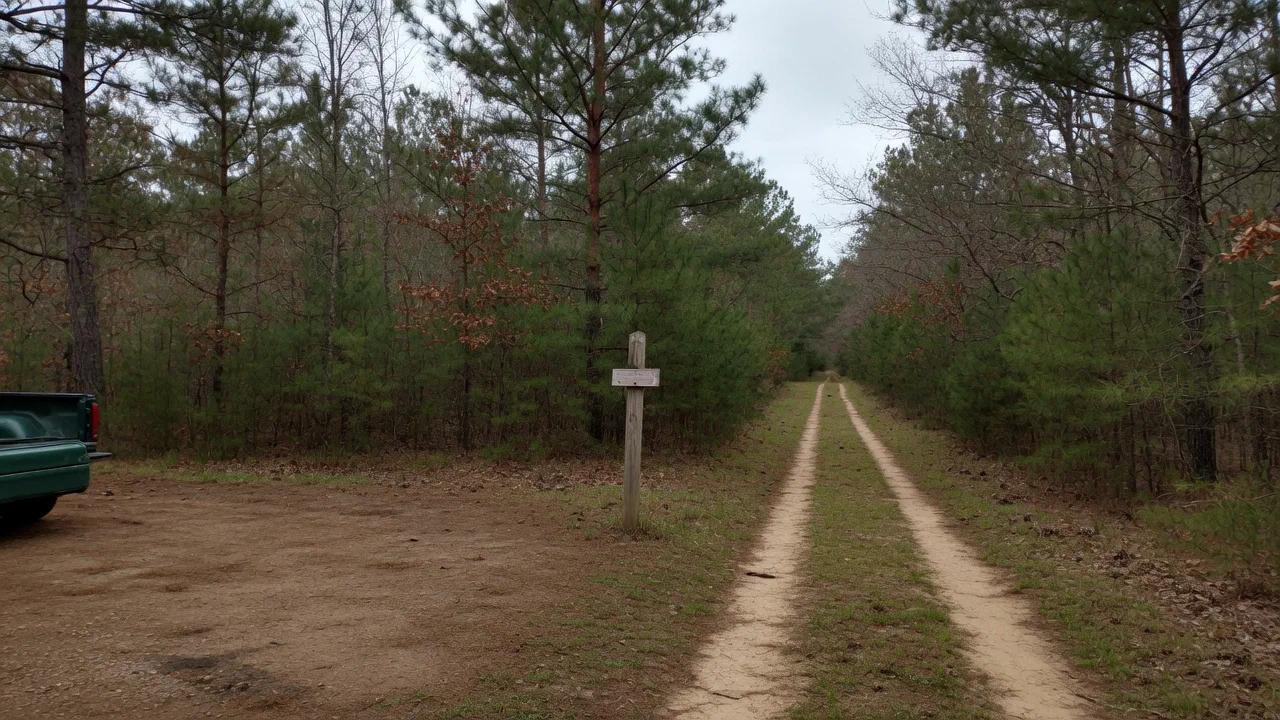 Checklist for this step:
- Confirm current season dates and legal methods for your species.
- Verify license, tag, and stamp requirements.
- Review county-specific rules and any CWD restrictions.
Use these internal resources as a starting point:
Key hunting areas near Richmond
Amelia Wildlife Management Area
Amelia WMA is located approximately 45 minutes southwest of Richmond in Amelia County. This roughly 2,200-acre property features mixed pine and hardwood forests with food plots managed for deer and turkey. It is one of the most accessible WMAs from the Richmond metro area. A WMA Stamp is required.
Hardware River Wildlife Management Area
About an hour west of Richmond near Scottsville, Hardware River WMA covers roughly 1,700 acres of piedmont forest and fields. It offers deer, turkey, and small game hunting. The Rivanna River corridor provides additional habitat diversity.
James River Bottomlands
The James River floodplain and associated bottomland hardwoods within driving distance of Richmond provide productive habitat for deer, turkey, and waterfowl. Several public access points along the river offer seasonal hunting opportunities. Waterfowl hunters can find wood duck and mallard habitat in the river oxbows and beaver ponds throughout the region.
Piedmont Private Land
The counties surrounding Richmond, including Amelia, Cumberland, Powhatan, Goochland, and Hanover, have a strong tradition of private land deer and turkey hunting. Hunt clubs and hunting leases are common in this region. The agricultural landscape supports high deer densities, and many properties produce quality bucks under managed harvest programs.
Build a realistic travel plan
From Richmond, most public hunting areas are 30 minutes to 90 minutes away. The piedmont is accessible on well-maintained rural roads, so travel planning is straightforward compared to mountain hunts.
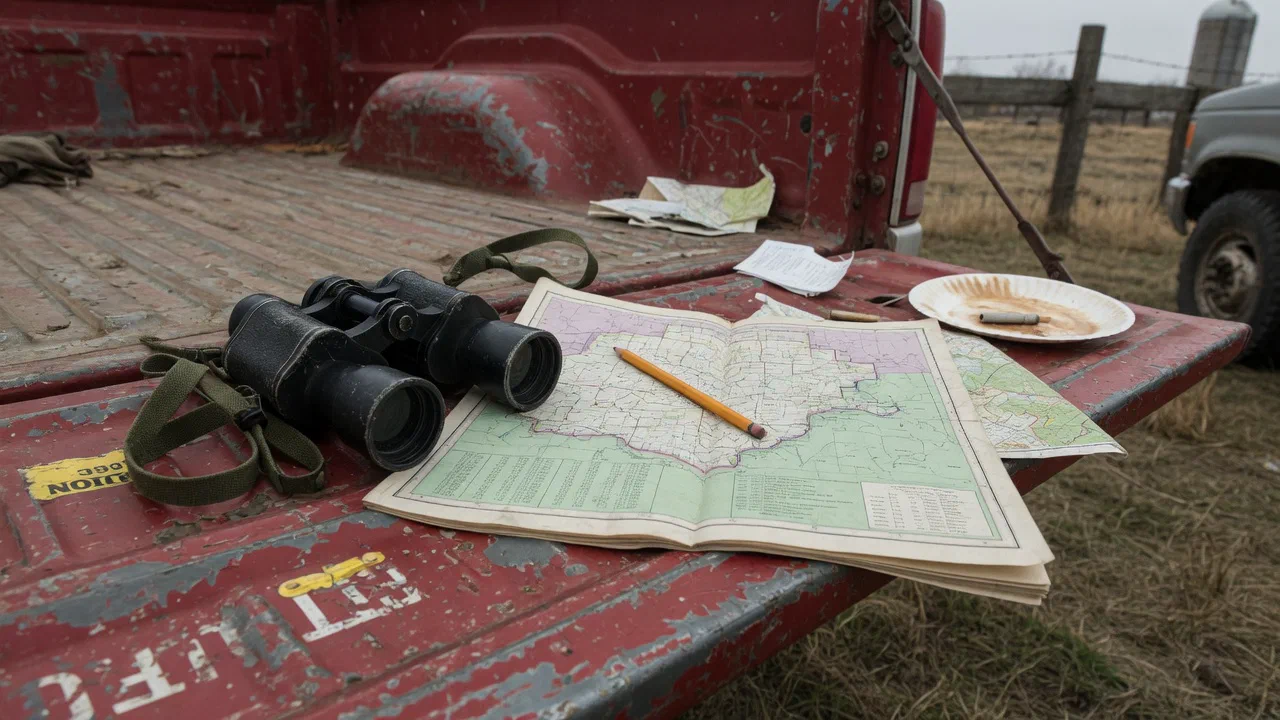 Practical planning tips:
- Set a primary area and a backup area within a reasonable drive.
- Mark access points and parking before you arrive.
- Account for other hunters on WMAs during opening weekends.
- The piedmont offers excellent dove hunting on managed fields in September.
Scout efficiently
Scouting piedmont habitat means focusing on oak ridges, field edges, creek bottoms, and travel corridors between bedding and feeding areas. Deer in the piedmont rely heavily on agricultural crops and acorns.
Scouting checklist:
- Use maps to locate food, water, bedding cover, and travel corridors.
- Walk short loops to confirm sign and pressure.
- Note other hunters and vehicle pressure on WMAs.
- Save key points in your mapping app.
Learn more in Scouting basics.
Gear and safety
Richmond-area hunts are generally moderate-terrain piedmont hunts. Boot selection should prioritize comfort for walking and standing, and layers are essential for Virginia’s variable fall and winter weather.
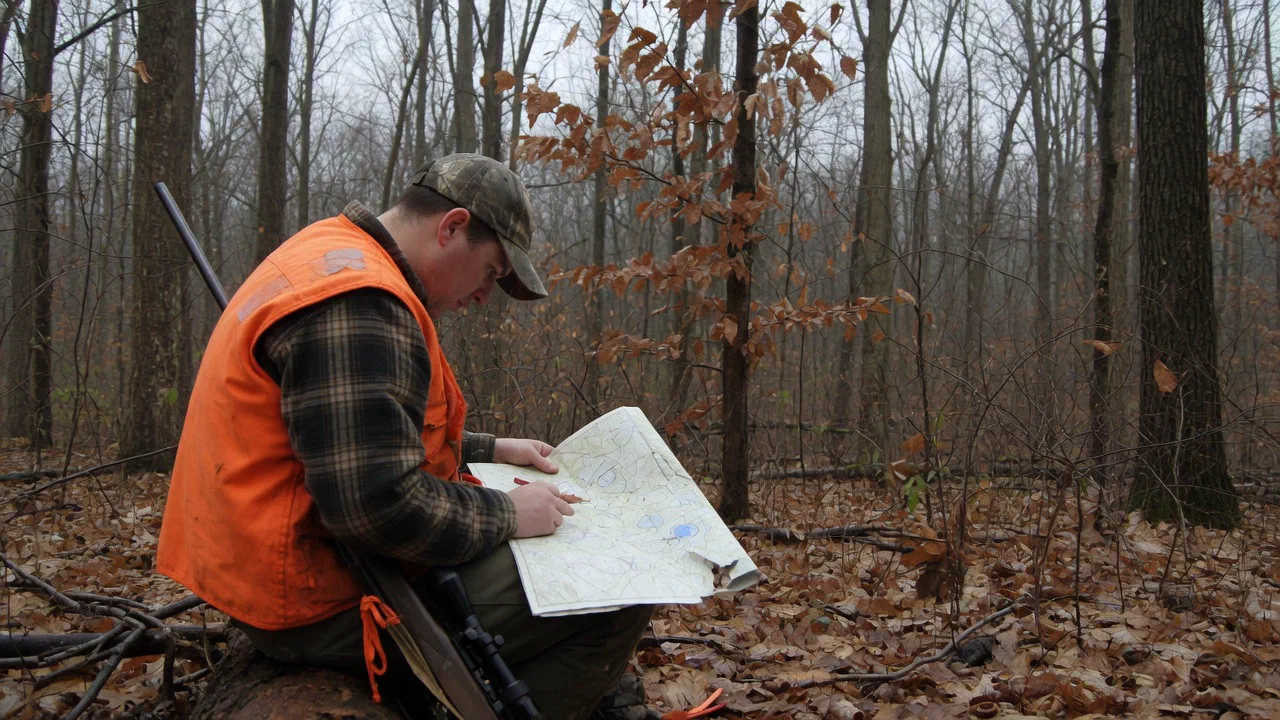
- Reliable boots, layers, and rain protection.
- Blaze orange during firearms deer, bear, and elk seasons.
- A day pack, navigation, and a field care kit.
See Gear reviews and Best hunting boots.
Final checklist
- Confirm rules on the official DWR website.
- Purchase WMA Stamp if hunting on a Wildlife Management Area.
- Save maps for offline use.
- Pack essentials and verify tags.
- Review safety and access rules before you leave.
For reference only. This page summarizes agency publications and is not legal advice or an official source; confirm dates, limits and fees with the state wildlife agency before you hunt. Regulations change mid-season. Send a correction if you spot an error. Disclaimer.