Hunting near Casper, Wyoming puts you at the geographic crossroads of the state, with access to some of the best pronghorn hunting in the world and productive mule deer country in nearly every direction. Casper sits at the base of Casper Mountain and along the North Platte River, surrounded by vast BLM sagebrush steppe to the south and west, with the Bighorn Mountains a manageable drive to the north. Central Wyoming is pronghorn country at its finest, and hunters based in Casper also have access to mule deer, elk in the nearby mountains, waterfowl along the river corridors, and sage grouse on the open flats.
Start with official rules
Begin with the Wyoming Game and Fish Department (WGFD) regulations and season dates. Central Wyoming has a mix of general and limited quota hunt areas. Many pronghorn areas near Casper are general, meaning tags are available over the counter, while some mule deer and elk areas are limited quota.
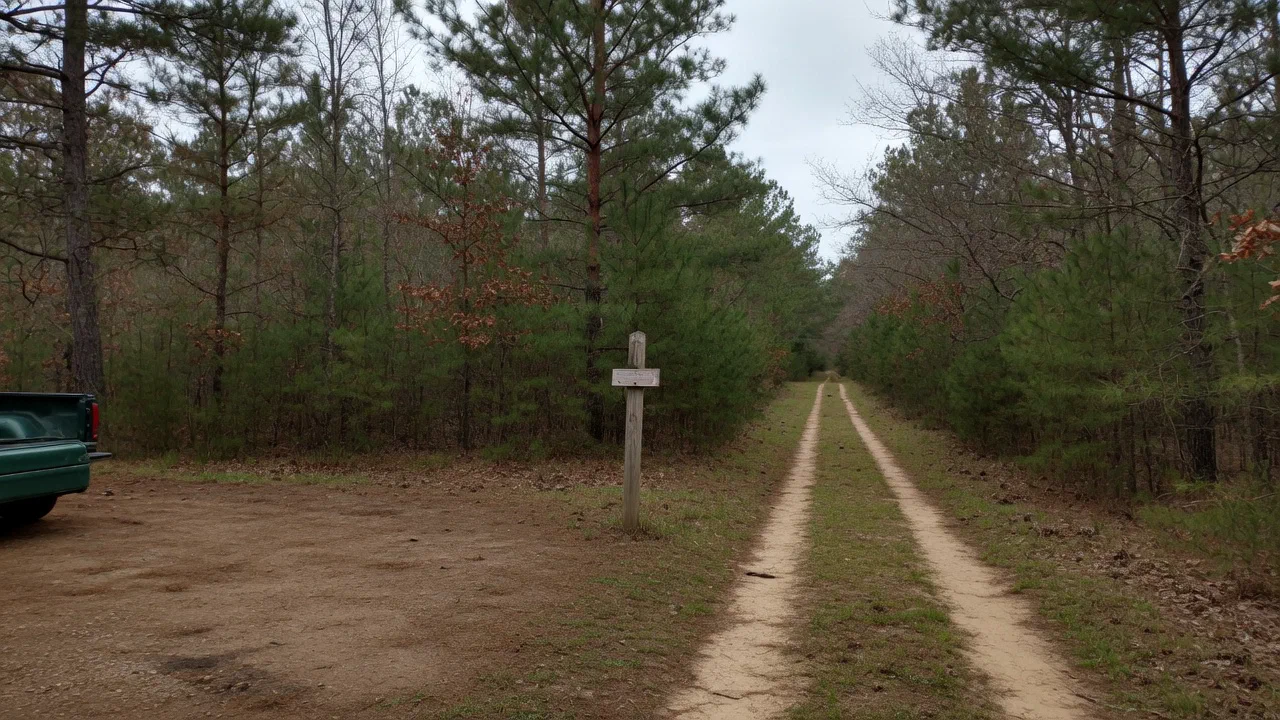 Checklist for this step:
- Confirm current season dates and legal methods for your species and hunt area.
- Verify whether your area requires a general or limited quota license.
- Check preference point requirements for limited quota areas.
- Review license, conservation stamp, and tag requirements.
Use these internal resources as a starting point:
Understand access types near Casper
Casper is surrounded by a mix of BLM land, state trust land, and private ranches. Access planning is essential because the checkerboard ownership pattern in central Wyoming means public and private land often alternate section by section.
BLM Sagebrush Steppe
The BLM Casper Field Office manages millions of acres of sagebrush steppe south and west of town. This is prime pronghorn country, with open sight lines and vast herds visible from the highway. BLM lands also hold mule deer in the juniper and rimrock breaks, and sage grouse on the open flats. Verify legal access routes carefully, as some BLM sections are surrounded by private land.
Casper Mountain and Muddy Mountain
Casper Mountain, immediately south of town, provides elk and mule deer hunting in forested mountain terrain within a 30-minute drive. Muddy Mountain and the surrounding foothills offer additional hunting access. Some areas are managed as Hunter Management Areas with specific regulations regarding vehicle access and camping.
North Platte River Corridor
The North Platte River corridor through Casper provides waterfowl hunting access, with mallards, geese, and other migratory birds using the river and adjacent reservoirs. Public access points along the river provide walk-in opportunities, and several Access Yes! areas along the river bottoms east of Casper offer additional waterfowl and whitetail deer hunting.
State Trust Lands
State trust land sections are scattered throughout central Wyoming and are open to hunting with a valid license. However, many sections near Casper are landlocked by private property. Use detailed land ownership maps to identify state trust sections with legal road access.
Access Yes! Walk-In Areas
WGFD’s Access Yes! program provides walk-in access to private ranch land near Casper. These areas are especially valuable for pronghorn, mule deer, and upland bird hunting in areas where private land dominates. Download maps before your trip, as cell coverage is limited outside of town.
Build a realistic travel plan
From Casper, pronghorn country begins at the city limits and extends in every direction. Quality mule deer and elk areas are 30 to 90 minutes away, depending on the hunt area.
Practical planning tips:
- Set a primary area and a backup area.
- Mark access points, legal road routes to public land, and parking before you arrive.
- Carry detailed land ownership maps or a GPS app with property boundaries.
- Central Wyoming is remote. Carry extra water, fuel, a spare tire, and basic recovery gear.
- Wind is constant in central Wyoming. Plan shot opportunities accordingly.
Scout efficiently
Central Wyoming’s open terrain makes glassing the primary scouting method for pronghorn and mule deer. Long-range optics are essential.
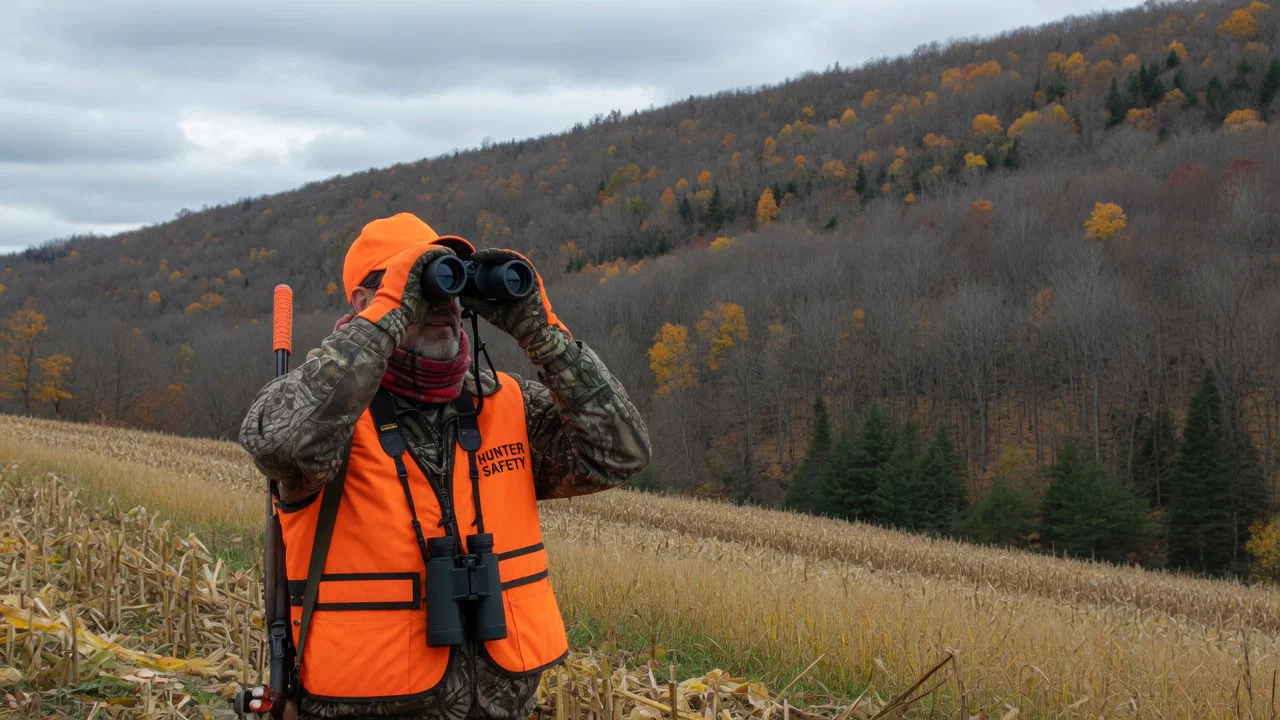 Scouting checklist:
- Use mapping tools to identify water sources, which concentrate pronghorn and mule deer in the dry sagebrush.
- Glass from high points and road pulloffs to locate pronghorn herds at distance.
- Look for mule deer in rimrock breaks, juniper draws, and coulee systems where brush provides cover.
- Note wind patterns. The persistent Wyoming wind affects both animal behavior and shot placement.
- Save key waypoints for offline use.
Learn more in Scouting basics.
Plan for weather and safety
Central Wyoming has a continental climate with extreme temperature swings, high winds, and the possibility of early-season snow.
Safety basics:
- Share your route and check-in time.
- Carry water, calories, sun protection, and warm layers even on mild days.
- Wind chill can be severe. Carry a windproof outer layer.
- Cell coverage is limited across much of the BLM land surrounding Casper. Carry a satellite communicator for remote hunts.
Use Weather and safety planning for a simple checklist.
Choose gear that matches your hunt
Casper-area hunting is primarily open-terrain work. Gear should prioritize long-range capability, wind protection, and sun management.
Gear basics:
- Quality binoculars and a spotting scope for glassing pronghorn and mule deer.
- A rifle setup appropriate for 200-400 yard shots in open country.
- Windproof layers and a hat that stays on in 30-mph gusts.
- Sturdy boots for walking sagebrush flats and rocky breaks.
See Gear reviews and Best hunting boots.
Ethics and respect
Central Wyoming is ranching country. Respect private property boundaries, close gates behind you, and do not block ranch roads with parked vehicles. Building positive relationships with local landowners benefits all hunters who follow.
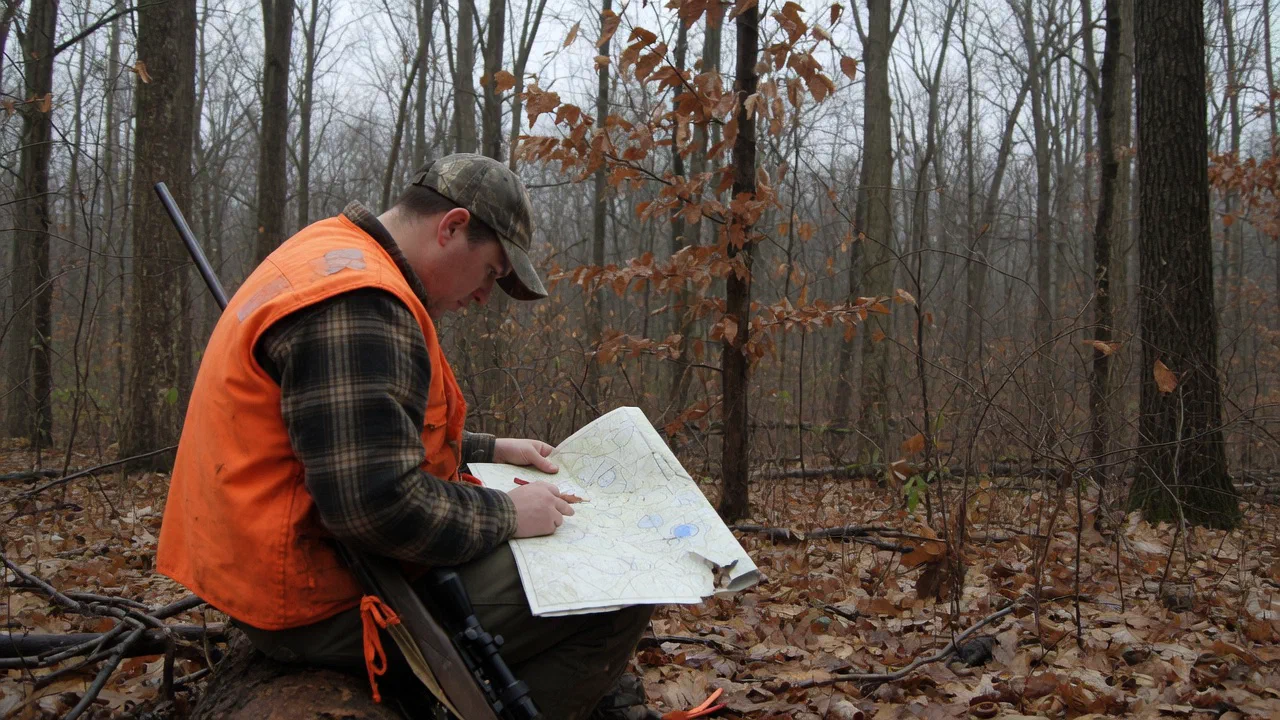
Local planning checklist
Use this simple list for any hunt near Casper:
- Pick a species and season window.
- Confirm license and tag requirements, including limited quota draw status.
- Select a primary hunt area and a backup area.
- Verify legal access routes to public land sections.
- Build a packing list suited to open, windy terrain.
Helpful next steps:
Final checklist
- Confirm rules on the official WGFD website.
- Save maps for offline use.
- Pack essentials and verify tags.
- Review safety and access rules before you leave.
For reference only. This page summarizes agency publications and is not legal advice or an official source; confirm dates, limits and fees with the state wildlife agency before you hunt. Regulations change mid-season. Send a correction if you spot an error. Disclaimer.