Ohio is one of the top whitetail deer states in the nation, consistently producing Boone and Crockett-class bucks from its agricultural heartland and Appalachian hill country. Beyond trophy deer, Ohio offers strong turkey hunting, productive waterfowl hunting along the Lake Erie marshes, and diverse small game opportunities. The state does not currently have bear or elk hunting seasons. Understanding Ohio’s season structure is essential for planning a successful hunt. This guide covers every major season administered by the Ohio Department of Natural Resources (ODNR) Division of Wildlife. Always verify exact dates and area-specific rules on the official ODNR website before heading afield. 1
White-tailed Deer Season
Ohio is nationally recognized as a premier destination for trophy whitetail deer. The state’s combination of rich agricultural land, diverse hardwood forest, moderate climate, and strong deer management produces exceptional antler growth and consistent opportunities at mature bucks.
| Season Type | Opens | Closes | Notes |
|---|---|---|---|
| Archery | September 26, 2026 | February 7, 2027 | Statewide archery season. Longbow, compound, recurve or crossbow. Disease Surveillance Area (DSA) archery opens Sept. 12, 2026. |
| Youth Gun | November 21, 2026 | November 22, 2026 | Youth deer gun season for hunters 17 and younger. Deer taken count toward county and statewide limits. |
| Gun | November 30, 2026 | December 6, 2026 | Statewide deer gun season. Shotgun, muzzleloader, straight-walled cartridge rifle or handgun per equipment rules. DSA early gun season Oct. 10-12, 2026. |
| Gun Second | December 19, 2026 | December 20, 2026 | Bonus deer gun weekend, statewide. |
| Muzzleloader | January 2, 2027 | January 5, 2027 | Statewide muzzleloader season. |
| Archery Dsa | September 12, 2026 | February 7, 2027 | Early archery season in the Chronic Wasting Disease Surveillance Area (Allen, Hardin, Marion and Wyandot counties plus listed townships in Crawford, Delaware, Morrow, Hancock and Union counties). |
| Gun Dsa Early | October 10, 2026 | October 12, 2026 | Early gun season in the Disease Surveillance Area. |
2026-2027 seasonVerified against Ohio Department of Natural Resources Division of Wildlife, 2026-27 Ohio Hunting & Trapping Regulations on September 5, 2026.Source: dam.assets.ohio.gov/image/upload/ohiodnr.gov/documents/wildl … Confirm dates in the current regulations before you hunt.
Archery Season
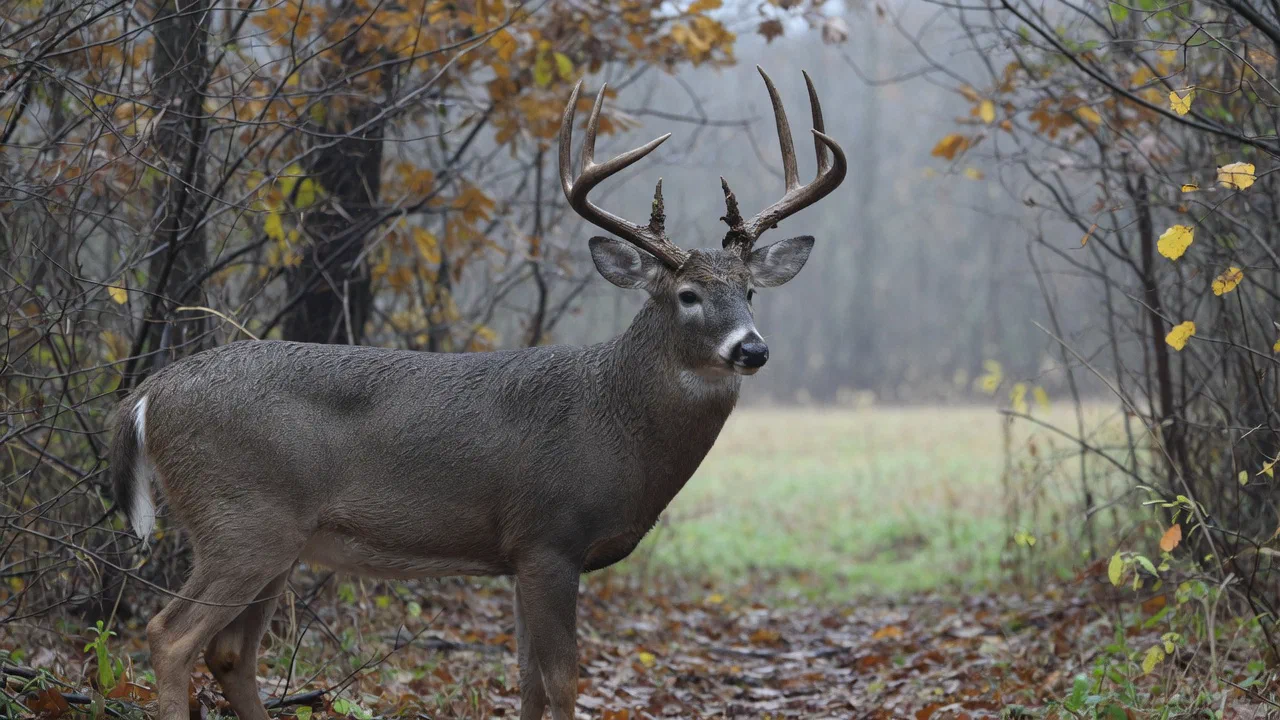
The archery season is the longest deer season in Ohio. It typically opens in late September and runs through the first week of February, and it stays open through the gun season. Both compound bows and crossbows are legal during the entire archery season in Ohio. This extended season allows hunters to be in the field during the October pre-rut, the November rut peak, and the late-season food source patterns. Many of Ohio’s biggest bucks are taken during the archery season by patient hunters who pattern deer movement between bedding areas in the hardwoods and feeding areas in harvested crop fields.
Gun Season
Ohio’s gun season is one of the most anticipated events of the hunting year. It typically runs for one week in late November to early December, coinciding with the peak or tail end of the rut. Ohio has a unique firearms regulation for deer: only shotguns, straight-wall cartridge rifles, muzzleloaders, and handguns are legal during gun season. Bottleneck rifle cartridges (traditional high-powered rifle rounds) are not permitted for deer hunting. This restriction is a defining feature of Ohio deer hunting and is discussed in more detail in the Ohio hunting regulations page.
The straight-wall cartridge rule has opened up a wide range of lever-action and single-shot rifle options for Ohio deer hunters. Popular cartridges include .350 Legend, .450 Bushmaster, .44 Magnum, and .45-70 Government. Shotguns with slugs remain a traditional and effective choice.
Muzzleloader Season
A muzzleloader-only season typically runs for about four days in early to mid-January. This season provides an additional opportunity for hunters who prefer traditional muzzleloading firearms. Both traditional and inline muzzleloaders are legal. The muzzleloader season often coincides with late-season deer movement patterns, when bucks are recovering from the rut and focused on food sources.
Youth Gun Season
Ohio offers a special youth gun season, typically a weekend in late November before the regular gun season opens. This hunt is designed for young hunters (usually 17 and under) accompanied by a licensed, non-hunting adult. It provides a lower-pressure introduction to gun hunting for deer.
Deer Bag Limits
<strong>Season limit:</strong> 6 [source]Ohio’s deer bag limits vary by county. Hunters can take up to six deer statewide across all season types, only one of which may be antlered. County limits of two, three, or four deer vary based on population management goals, with higher limits in agricultural counties to help control deer populations that can cause crop damage.
Turkey Season
Ohio has healthy turkey populations across most of the state, with the strongest numbers in the southeastern hill country and along the major river corridors.
| Season Type | Opens | Closes | Notes |
|---|---|---|---|
| Fall | October 1, 2026 | October 25, 2026 | Fall wild turkey season in select counties (see ODNR open counties map). Either sex; bag limit 1. Shotguns with shotshells only; no archery in the fall season. |
| Spring est. | April 25, 2026 | May 24, 2026 | Most recent published dates (spring 2026, South Zone; Northeast Zone May 2-31, 2026). Spring 2027 dates had not been adopted as of 2026-09-05: ODNR proposed South Zone April 24 - May 23, 2027 and Northeast Zone May 1-30, 2027, with a Wildlife Council vote scheduled Oct. 28, 2026. Season limit one bearded turkey; hours 1/2 hour before sunrise to noon for the first nine days, then to sunset. |
| Youth Spring est. | April 18, 2026 | April 19, 2026 | Most recent published dates (spring 2026 youth season, South Zone; Northeast Zone April 25-26, 2026). Spring 2027 youth dates had not been adopted as of 2026-09-05: proposed South Zone April 17-18 and Northeast Zone April 24-25, 2027. Hunters 17 and younger with a non-hunting adult; hours 1/2 hour before sunrise to sunset. |
2026-2027 seasonVerified against Ohio Department of Natural Resources Division of Wildlife, 2026-27 Ohio Hunting & Trapping Regulations on September 5, 2026.Sources: dam.assets.ohio.gov/image/upload/ohiodnr.gov/documents/wildl …, ohiodnr.gov/wps/portal/gov/odnr/discover-and-learn/safety-co … Confirm dates in the current regulations before you hunt.
Spring Turkey Season
The spring season is the primary turkey hunting opportunity in Ohio. It generally opens in late April in the South Zone and early May in the Northeast Zone, with a youth weekend before each opener, and runs about four weeks (2026 dates; spring 2027 dates not yet announced). Ohio allows one bearded turkey per hunter during spring season. Calling gobblers during the spring breeding season is one of the most popular hunts in the state. The mix of hardwood ridges, agricultural fields, and river bottoms in southeastern Ohio provides ideal turkey habitat.
Fall Turkey Season
The fall turkey season typically runs for about three weeks in October. Either-sex turkeys may be taken during the fall season. The bag limit is usually one turkey. Fall turkey hunting is less popular than spring but offers a unique challenge as birds are in flocks and respond to different calling strategies.
Waterfowl Season
Ohio sits along the Mississippi and Atlantic Flyways and offers productive waterfowl hunting, particularly along the Lake Erie marshes and the state’s interior reservoirs and river systems.
| Season Type | Opens | Closes | Notes |
|---|---|---|---|
| General | October 17, 2026 | November 1, 2026 | Ducks, Zone A first segment; second segment Nov. 14 - Dec. 27, 2026. Zone B Oct. 17-25 and Nov. 21, 2026 - Jan. 10, 2027; Zone C Oct. 17-25 and Dec. 12, 2026 - Jan. 31, 2027 (new three-zone boundaries). Youth and military waterfowl days Oct. 3-4, 2026. Daily limit 6 ducks. |
| Goose | October 17, 2026 | November 1, 2026 | Geese, Zone A first segment; second segment Nov. 14, 2026 - Feb. 1, 2027. Zones B and C Oct. 17-25 and Nov. 21, 2026 - Feb. 15, 2027. Early Canada goose Sept. 5-13, 2026 (5 daily). Regular daily limit 5 dark geese combined (no more than 1 brant); 10 light geese. |
2026-2027 seasonVerified against Ohio Department of Natural Resources Division of Wildlife, 2026-27 Ohio Hunting & Trapping Regulations on September 5, 2026.Source: dam.assets.ohio.gov/image/upload/ohiodnr.gov/documents/wildl … Confirm dates in the current regulations before you hunt.
Early Teal Season
An early teal-only season typically runs for about nine days in September. Blue-winged and green-winged teal migrating through Ohio’s wetlands are the primary targets. The Lake Erie marshes in Ottawa, Erie, and Sandusky counties are among the best early teal locations.
Regular Duck Season
The regular duck season is split into two segments in each zone, running from mid-October through late December in Zone A and into January in Zones B and C. Ohio is now divided into three duck zones (A, B, and C), with different dates for each. The daily bag limit follows federal frameworks, usually six ducks per day with species-specific restrictions. The Lake Erie marshes are the state’s most famous duck hunting destination, but interior reservoirs, rivers, and managed wetlands also produce quality hunts.
Goose Season
Canada goose season in Ohio typically includes an early September season targeting resident geese, followed by the regular season from October through February. Ohio’s agricultural landscape attracts large numbers of migrating Canada geese, and field hunting over decoys is a popular and effective method. Snow goose seasons follow federal guidelines, and a Conservation Order may extend into spring.
Small Game Seasons
Ohio offers a diverse set of small game seasons that provide hunting opportunities from early fall through winter.
| Season Type | Opens | Closes | Notes |
|---|---|---|---|
| General | September 1, 2026 | November 8, 2026 | Mourning and Eurasian collared dove first segment; second segment Dec. 12, 2026 - Jan. 1, 2027. Daily limit 15. Hours sunrise to sunset; HIP certification required. |
| General Second | December 12, 2026 | January 1, 2027 | Dove second segment. |
2026-2027 seasonVerified against Ohio Department of Natural Resources Division of Wildlife, 2026-27 Ohio Hunting & Trapping Regulations on September 5, 2026.Source: dam.assets.ohio.gov/image/upload/ohiodnr.gov/documents/wildl … Confirm dates in the current regulations before you hunt.
| Season Type | Opens | Closes | Notes |
|---|---|---|---|
| General | November 6, 2026 | January 10, 2027 | Ring-necked pheasant, males only. Daily limit 2. Youth small game weekends Oct. 24-25 and Oct. 31 - Nov. 1, 2026. |
2026-2027 seasonVerified against Ohio Department of Natural Resources Division of Wildlife, 2026-27 Ohio Hunting & Trapping Regulations on September 5, 2026.Source: dam.assets.ohio.gov/image/upload/ohiodnr.gov/documents/wildl … Confirm dates in the current regulations before you hunt.
Squirrel Season
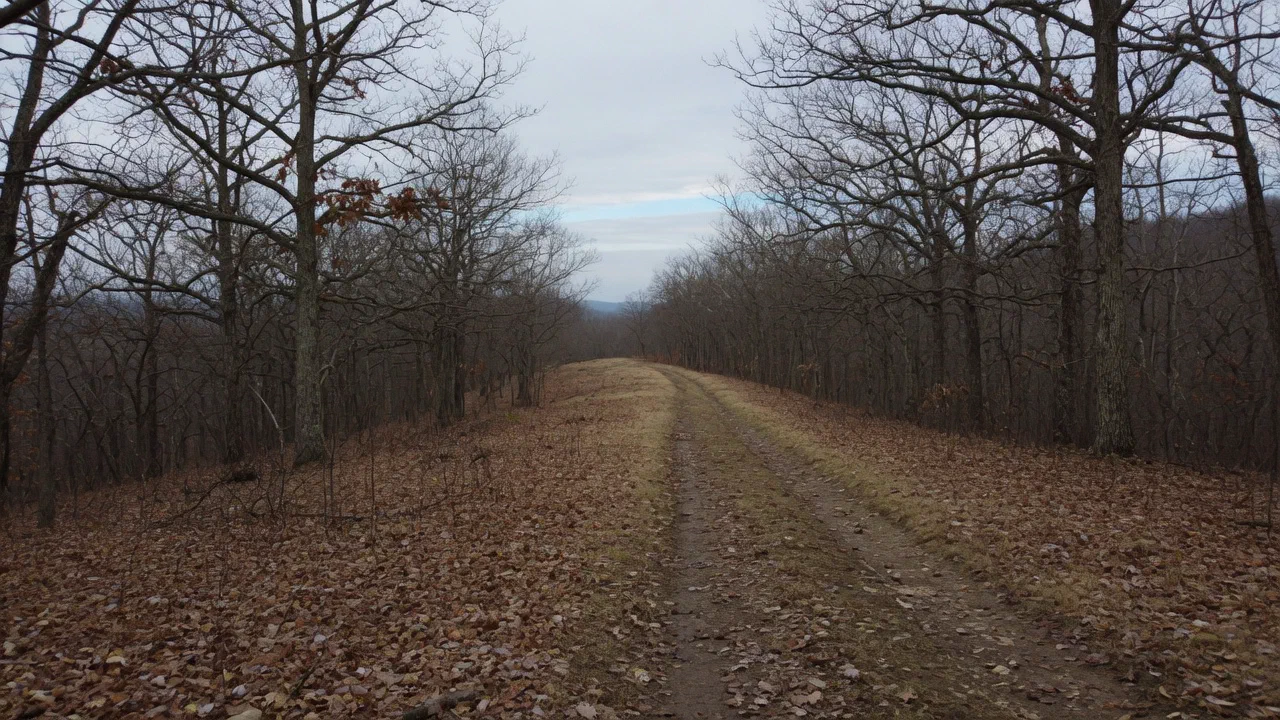
The squirrel season is one of the longest seasons in Ohio, typically running from early September through the end of January. Gray and fox squirrels are both legal game. Ohio’s extensive hardwood forests, particularly in the southeastern hill country, produce excellent squirrel hunting. The daily bag limit is typically six squirrels.
Rabbit Season
Cottontail rabbit season usually opens in early November and runs through the end of February. The daily bag limit is typically four rabbits. Brushy field edges, briar patches, and overgrown fence rows in agricultural areas are prime rabbit habitat. Hunting rabbits with beagles is a strong tradition in Ohio.
Pheasant Season
Ring-necked pheasant season is open statewide (males only, two per day), though wild birds are concentrated in a handful of counties. The season typically opens in early November and runs through mid-January. Pheasant populations in Ohio have declined significantly from historical levels, and wild bird hunting is concentrated in a handful of northeastern counties. Some state wildlife areas are stocked with pen-raised pheasants to supplement hunting opportunities.
Ruffed Grouse
Ruffed grouse are found in the forested hill country of southeastern Ohio. For 2026-27, grouse hunting is limited to controlled hunts on four designated areas, with limits set by permit. Grouse numbers have declined across their Ohio range. Young forest and early successional habitat are key to finding grouse.
Woodcock
American woodcock migrate through Ohio each fall, with peak flight typically occurring in late October. The season usually runs from mid-October through mid-November. Woodcock are found in young aspen stands, alder thickets, and moist bottomland forests. The daily bag limit follows federal guidelines.
Fur-bearer and Predator Seasons
Ohio supports populations of several fur-bearing animals and predators that offer hunting and trapping opportunities.
Coyote
Coyotes may be hunted year-round in Ohio with no closed season and no bag limit. Calling, night hunting, and the use of electronic calls are all legal. Ohio’s growing coyote population has made predator hunting increasingly popular.
Fox
Red and gray fox have specific hunting and trapping seasons, generally running from November through February. A fur taker permit is required.
Raccoon, Opossum, and Skunk
Raccoon and opossum can be hunted during established seasons, typically from November through January. A fur taker permit is required. Night hunting with lights and dogs is legal during these seasons.
Bobcat
Ohio reopened a limited bobcat hunting and trapping season in recent years after population recovery. The season is limited and requires a special permit. Check current ODNR regulations for bobcat season status, permit requirements, and eligible counties.
Species Not Hunted in Ohio
Ohio does not currently have hunting seasons for black bear or elk. While both species exist in small numbers within the state (a small elk herd was reintroduced in southeastern Ohio, and occasional black bears wander in from neighboring states), populations do not support a regulated hunting season.
Licensing Requirements
| License/Permit | Residency | Fee | Includes |
|---|---|---|---|
| Resident 1-Year Hunting License | Resident | $19.00 | hunting |
| Nonresident 1-Year Hunting License | Nonresident | $180.96 | hunting |
| Youth 1-Year Hunting License (17 and younger) | Any | $10.00 | hunting |
| Resident 1-Year Apprentice Hunting License | Resident | $19.00 | hunting with a licensed adult |
| Resident Senior 1-Year Hunting License (65+) | Resident | $10.00 | hunting |
| Resident Either-Sex Deer Permit | Resident | $31.20 | one antlered or antlerless deer |
| Nonresident Either-Sex Deer Permit | Nonresident | $218.40 | one antlered or antlerless deer |
| Deer Management Permit (antlerless only) | Any | $15.00 | one antlerless deer |
| Resident Spring Turkey Permit | Resident | $31.20 | one bearded turkey |
| Nonresident Spring Turkey Permit | Nonresident | $38.48 | one bearded turkey |
| Ohio Wetlands Habitat Stamp | Any | $15.00 | waterfowl hunting endorsement |
| Fur Taker Permit | Any | $15.00 | hunting and trapping furbearers |
| Federal Migratory Bird Hunting Stamp | Any | $25.00 | migratory waterfowl hunting |
All hunters in Ohio must have a valid hunting license. Licensing requirements vary based on residency, age, and species.
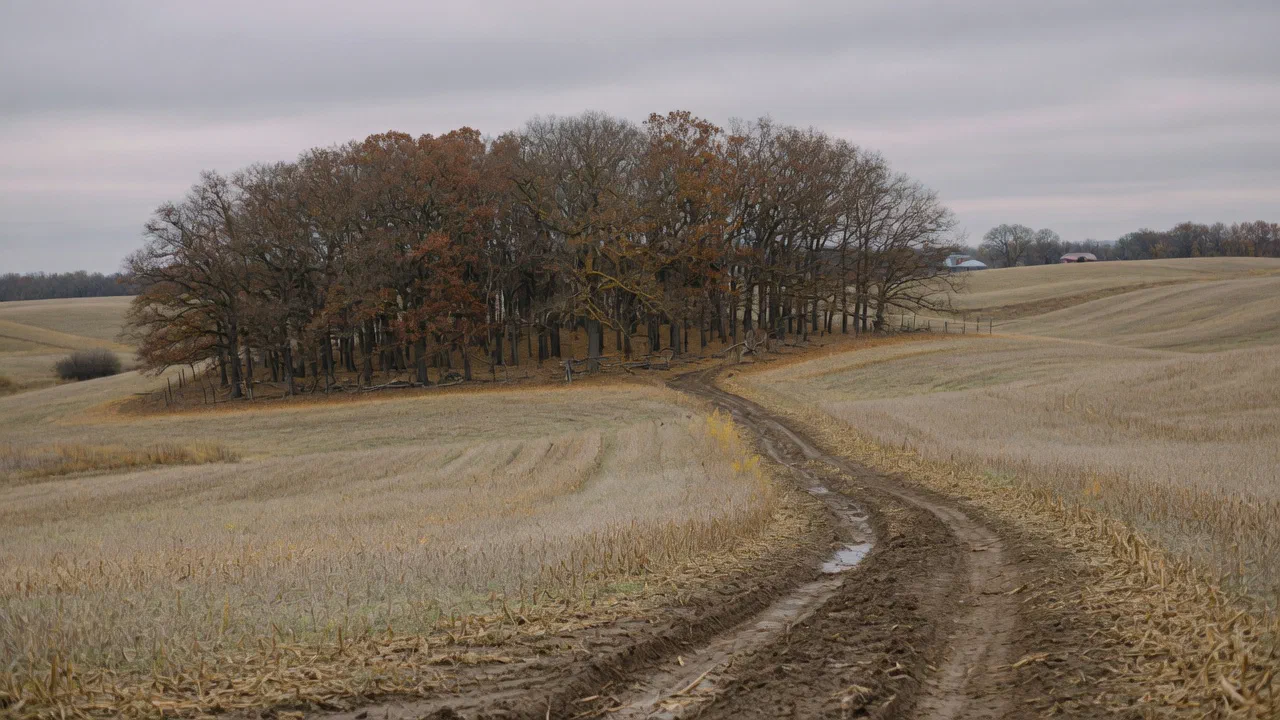
- Resident hunting license: Required for all Ohio residents who hunt.
- Non-resident hunting license: Required for out-of-state hunters at higher fees.
- Deer permit: A separate deer permit is required in addition to the base hunting license for each deer a hunter intends to take.
- Turkey permit: A separate turkey permit is required for each turkey.
- Fur taker permit: Required for hunting or trapping fur-bearing animals.
- Wetland habitat stamp: Required for waterfowl hunters 18 and older, in addition to the federal duck stamp.
- HIP registration: Federal Harvest Information Program registration is required for all migratory bird hunters.
- Federal Duck Stamp: Required for waterfowl hunters 16 and older.
Youth hunters under 18 can purchase licenses at reduced fees. Some exemptions apply for landowners hunting on their own property.
Hunter Education
Ohio requires hunter education for all hunters born on or after January 1, 1960. The course covers firearm safety, wildlife conservation, hunting ethics, and Ohio regulations. Courses are available in classroom, online-with-field-day, and apprentice formats. The apprentice hunting license allows a first-time hunter to hunt under the direct supervision of a licensed adult while completing the education requirement. Hunter education certification is valid for life.
Important Reminders
- Check regulations annually. Season dates, bag limits, and county-specific rules can change. ODNR publishes updated regulations before each season.
- Understand Ohio’s firearm restrictions for deer. No bottleneck rifle cartridges are allowed. Only shotguns, straight-wall cartridge rifles, muzzleloaders, and handguns are legal.
- County-specific bag limits. Antlerless deer and antlered deer limits vary by county. Verify limits for every county you plan to hunt.
- Plan for access. Ohio has over 150 state wildlife areas and the Wayne National Forest, but most land is private. See the Ohio hunting land guide for access details.
- CWD monitoring. Ohio has an active Chronic Wasting Disease surveillance program. Follow ODNR carcass transport and testing guidelines.
For complete regulations and current season dates, visit the Ohio hunting regulations page on our site and the official ODNR website.
Last verified: September 5, 2026 — Official sourceMore Ohio Hunting Resources
Ohio Department of Natural Resources, Division of Wildlife. (n.d.). Hunting Resources. Retrieved from https://ohiodnr.gov/buy-and-apply/hunting-fishing-boating/hunting-resources ↩︎
For reference only. This page summarizes agency publications and is not legal advice or an official source; confirm dates, limits and fees with the state wildlife agency before you hunt. Regulations change mid-season. Send a correction if you spot an error. Disclaimer.